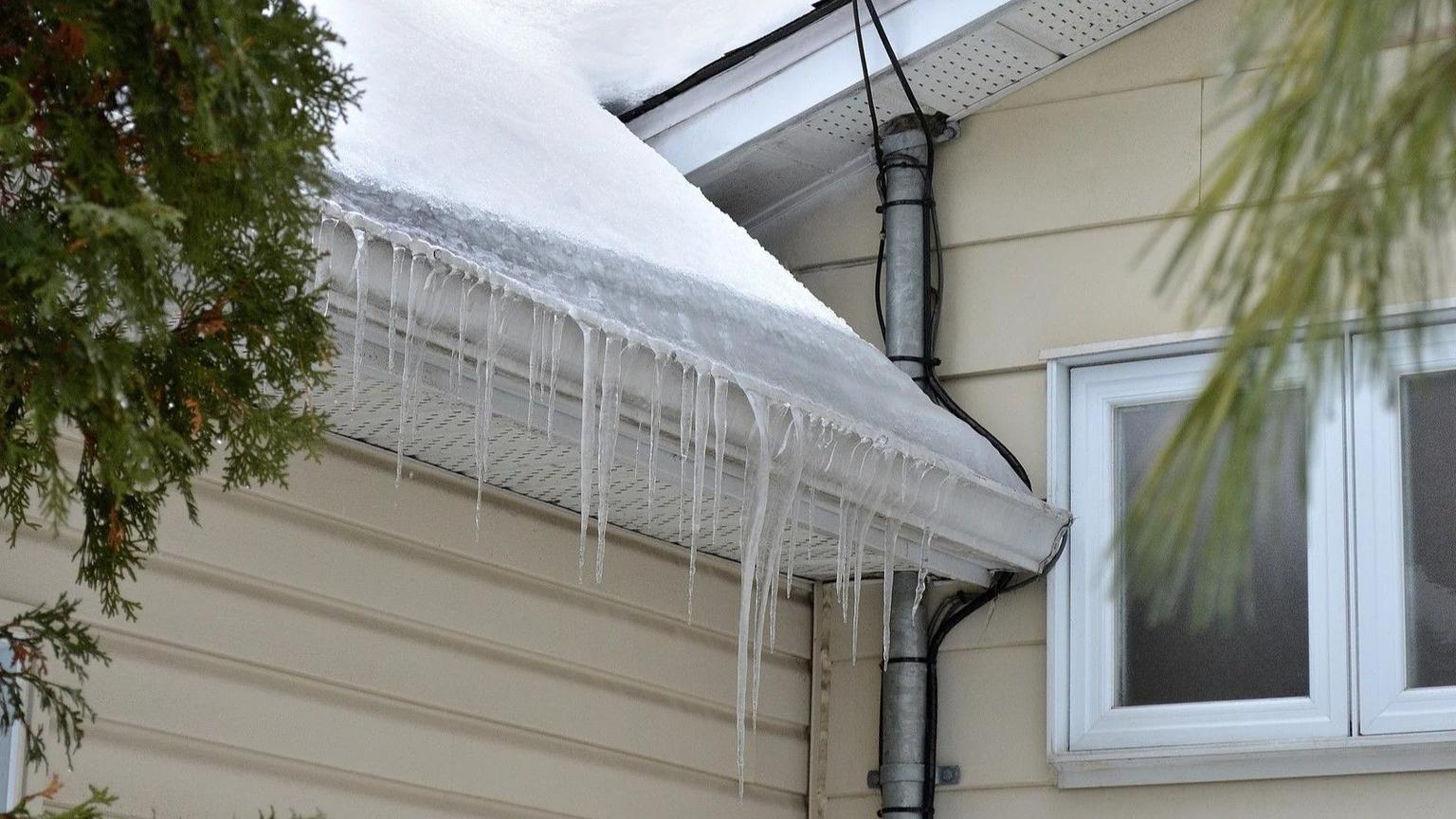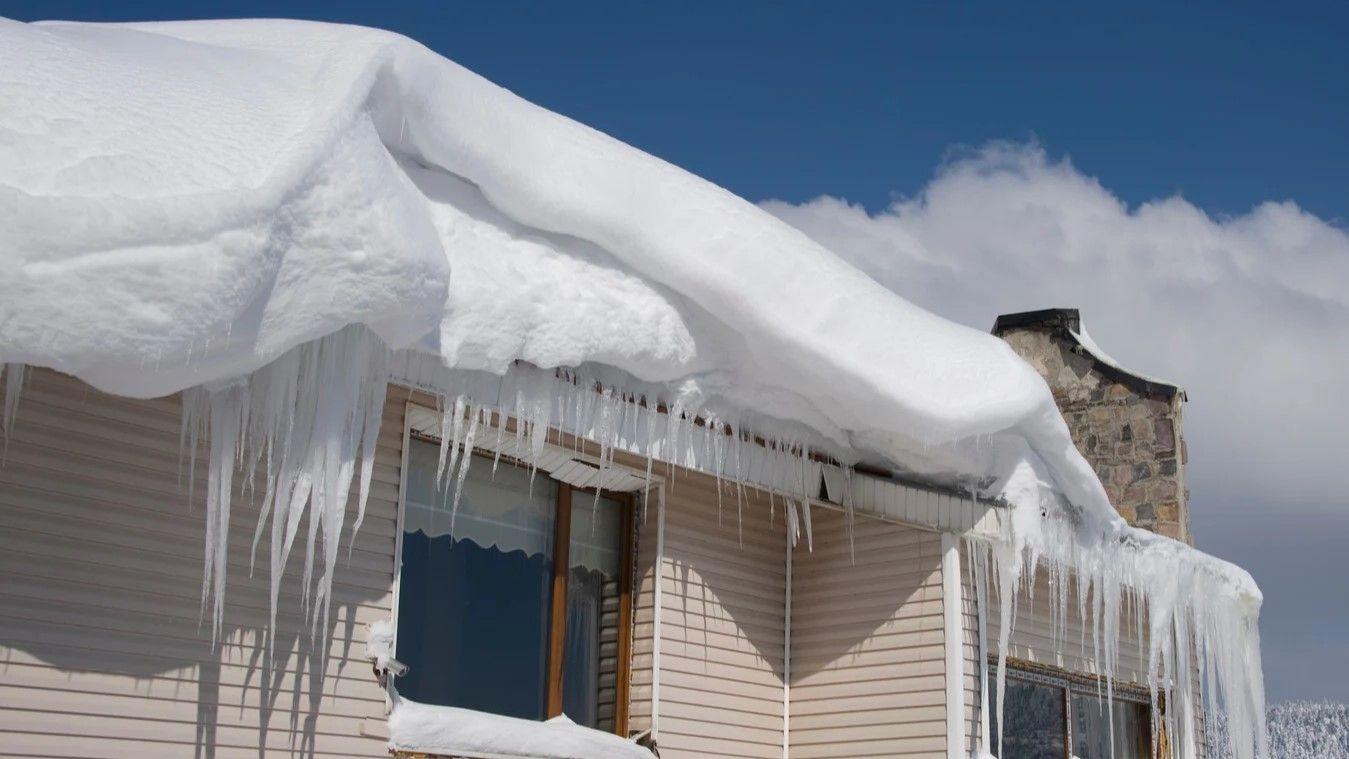
Ice dams can push meltwater under shingles, even when outdoor temperatures stay below 32°F. After a Southern New Hampshire snowstorm, check roof edges from the ground and look indoors for damp insulation, ceiling stains, or leaks.
Concord averages 67.7 inches of snow a year, according to NOAA's 1991–2020 climate normals, so checks after storms and during thaws matter. Heat escaping into the attic can melt roof snow while colder eaves refreeze the runoff. For the roof areas where this happens most, see what causes ice dams.
Avoid ladders and roof-edge work, and get prompt professional help for active leaks or spreading stains. Keep people away from sagging ceilings. The checks below can help spot trouble, while an assessment can separate ice dam leaks from other roof leaks or attic condensation. If an ice dam is the cause, professional ice dam removal in New Hampshire clears the blockage.
NH Winter Conditions That Increase Ice Dam Risk
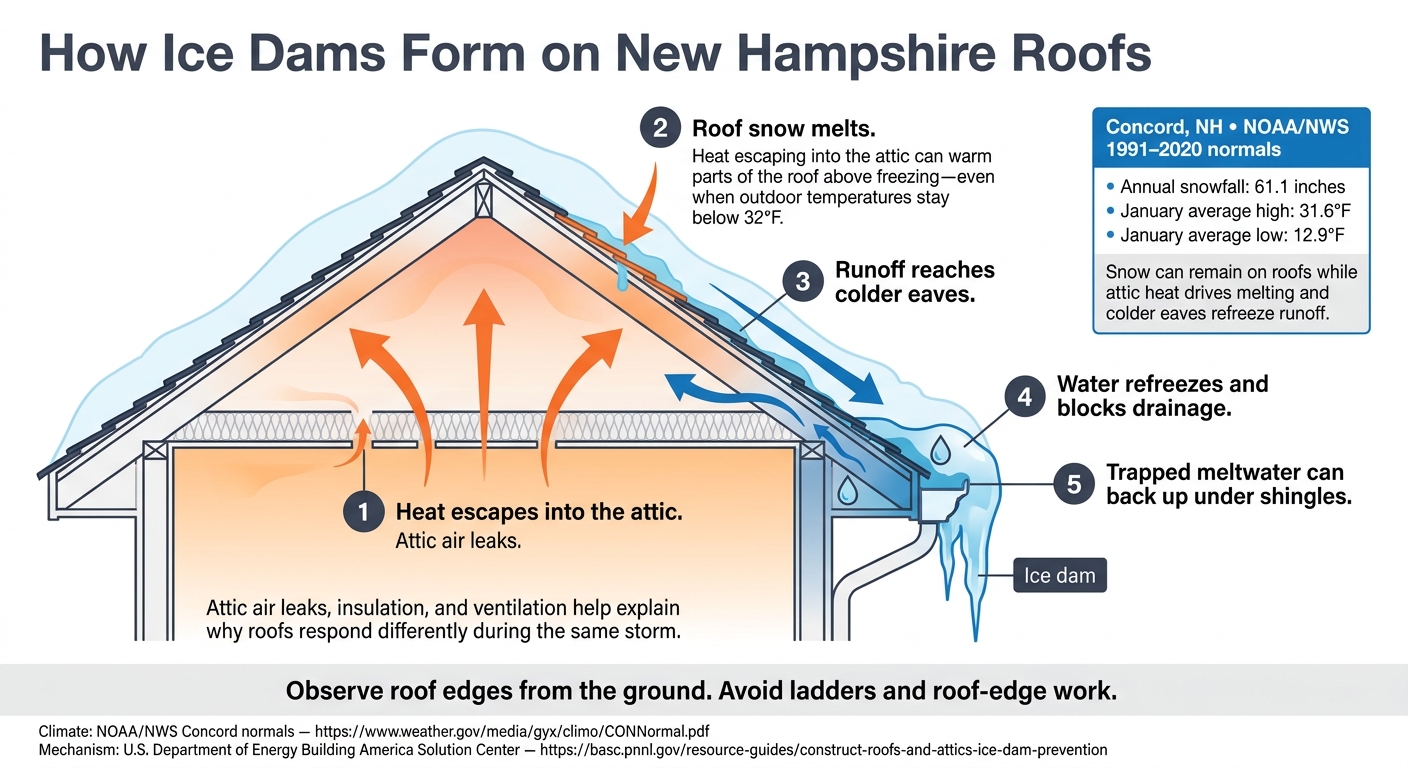
How Ice Dams Form on New Hampshire Roofs
Concord, New Hampshire's official long-term climate station, records 67.7 inches of annual snowfall, a January average high of 31.6°F, and a January average low of 12.9°F, according to NOAA/NWS 1991–2020 normals.
That combination lets snow sit on roofs long enough to melt and refreeze.
How Snowmelt Refreezes at Roof Edges
Roof snow can melt even when outdoor temperatures stay below 32°F. Heat escaping into the attic can warm parts of the roof above freezing while the eaves stay colder. As runoff reaches those colder edges, it can freeze and block drainage, according to the U.S. Department of Energy.1
Attic air leaks, insulation, and ventilation help explain why one roof may be more vulnerable than another during the same storm. After a storm, check for early signs of trapped moisture before the next thaw.
sbb-itb-238bf3c
What to Check After a Winter Storm
Check Roof Edges, Drainage, and Trim
Start with a look from the ground. Check for ice buildup along the eaves, overflowing gutters, and clogged downspouts. If you see any of these signs, head indoors to check for hidden moisture.
Look for Moisture in Attics and Upper Rooms
In accessible attic spaces, check for damp insulation, wet sheathing, or dripping water. In upper rooms, look for new stains or damp spots on ceilings and drywall near exterior walls. A thaw can reveal damage that wasn't visible right after the storm.
Recheck During the Next Thaw
Check those same areas during the next thaw. Watch for new leaks, spreading stains, and gutters that still overflow. Have a professional assess any new or worsening moisture.
When to Seek Professional Assessment
Active leaks or spreading stains need prompt assessment. A sagging or bulging ceiling needs urgent inspection because it may point to water buildup or structural stress. Keep people away from the affected area.
Not every stain in a New Hampshire home comes from ice dam damage. Other roof leaks or attic condensation may be the cause. A professional assessment can help determine what’s causing the problem.
Next Steps
For more detail, read the guides to removal, prevention, and costs in Massachusetts.
Take photos from a safe location to show the assessor, and move valuables only if it’s safe. Avoid ladders and roof-edge work until the assessor arrives.
Conclusion: Address Suspected Ice Dams
In Southern New Hampshire, check roof edges, attic insulation, and upper-room ceilings again during the next thaw. Trapped water can soak insulation before you see damage indoors, and a thaw can reveal damage that wasn't visible right after the storm.
If you see ice along the eaves, new stains, or damp insulation, take photos from a safe location and stay off ladders and the roof. If water is already coming inside, see what to do about an ice dam leak. Keep people away from sagging ceilings, and have a professional assess active leaks or spreading stains, since other roof leaks or attic condensation can look similar.
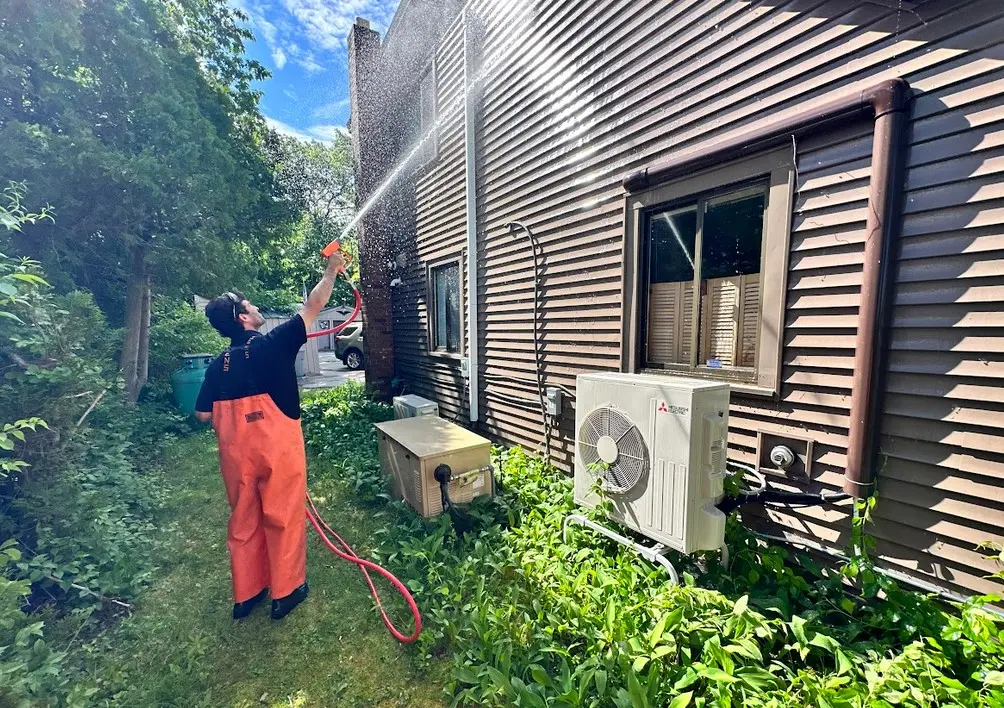
If the assessment points to an ice dam, ViewCrew Services provides ice dam removal in Massachusetts and New Hampshire with fully insured crews and low-pressure steam, and its quotes are free and no-obligation.
FAQs
Do icicles always mean there's an ice dam?
Not necessarily. Large icicles often form on gutters near ice dams. But they can also form when sunlight melts snow on the roof and the runoff refreezes at the edge.
Icicles coming through soffit vents are a warning sign: water has already entered your attic, and an ice dam is likely present. If you also notice sagging gutters or water backing up behind a ridge of ice, consider professional ice dam removal.
How can I distinguish ice dam leaks from attic condensation?
Ice dams form when heat escaping from your home melts snow, which then refreezes at the cold eaves. The ice can force water back under the shingles. Watch for an ice ridge, sagging gutters, or water dripping from ceiling fixtures or interior walls.
Attic condensation can leave frost beneath roof decking, damp or matted insulation, or black streaks on wood. These signs often point to poor attic ventilation or problems with insulation.
Can ice dam damage stay hidden until spring?
Yes. Meltwater trapped behind an ice ridge can flow under your shingles, soaking insulation or seeping into walls and ceilings - even when there are no visible signs outside. Water stains, peeling paint, or musty odors may not appear until temperatures change or the ice melts.
If you spot sagging gutters or water backing up, seek professional ice dam removal to help prevent further structural problems.