If you're wondering whether to use soft washing or pressure washing for cleaning your home's exterior, here's the answer: It depends on the surface and the type of dirt.
- Soft washing uses low-pressure water (150–300 PSI) combined with cleaning solutions to safely clean delicate surfaces like roofs, siding, and wood. It’s best for removing mold, algae, and mildew while protecting fragile materials.
- Pressure washing uses high-pressure water (1,300–4,000+ PSI) to clean tough, durable surfaces like concrete, stone, and metal. It’s ideal for removing stubborn stains like grease, oil, and heavy dirt.
Key Differences:
- Pressure level: Soft washing is gentle; pressure washing is powerful.
- Cleaning method: Soft washing uses chemicals; pressure washing relies on water force.
- Best use: Soft washing is safer for fragile materials, while pressure washing is better for hard surfaces.
Quick Comparison:
| Feature | Soft Washing | Pressure Washing |
|---|---|---|
| Pressure (PSI) | 150–300 | 1,300–4,000+ |
| Cleaning Agent | Required (chemicals) | Optional (water only) |
| Best Surfaces | Roofs, siding, wood | Concrete, stone, metal |
| Speed | Slower (needs dwell time) | Faster (immediate results) |
| Risk | Lower (gentle on surfaces) | Higher (potential damage) |
For delicate surfaces, go with soft washing. For stubborn grime on tough materials, pressure washing is the way to go. Always test a small area first to avoid damage.
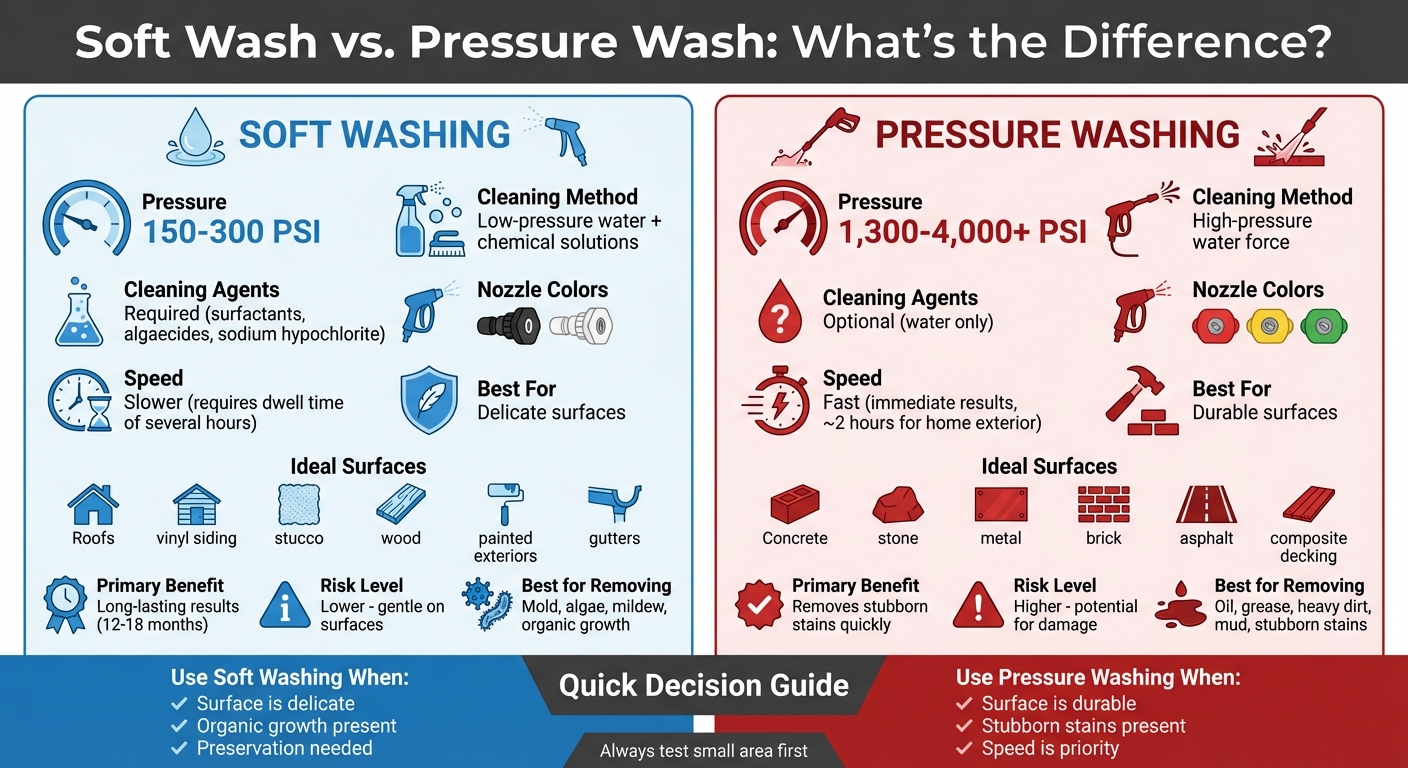
Soft Washing vs Pressure Washing: Complete Comparison Guide
Soft Washing Vs Pressure Washing | What's The Difference?
sbb-itb-238bf3c
What Is Soft Washing?
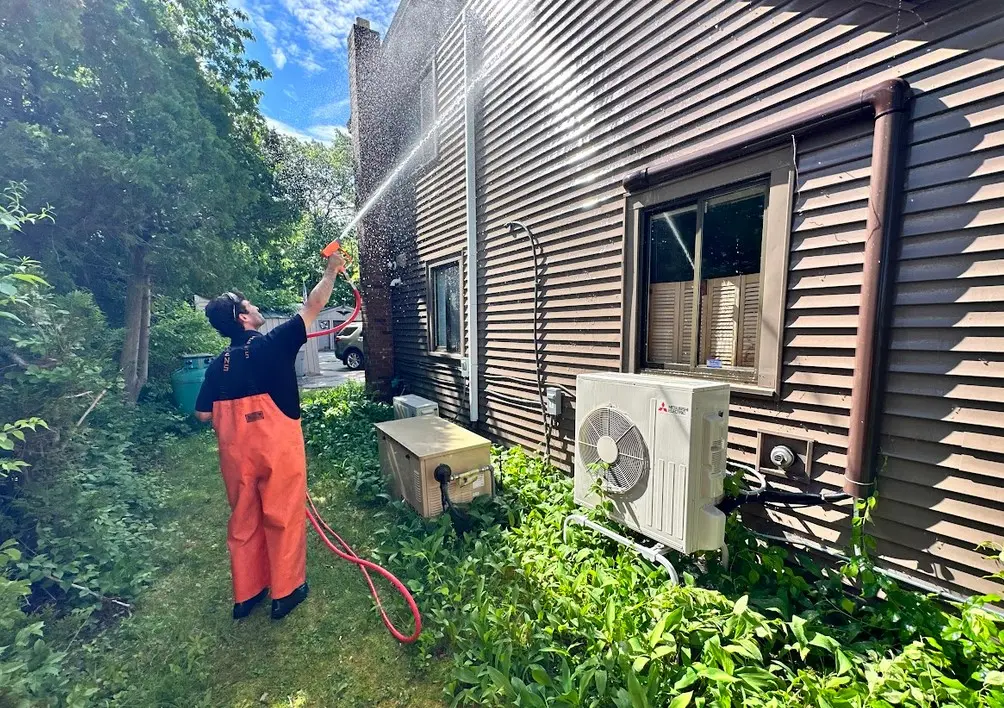
Soft washing is a cleaning method that uses low-pressure water combined with specialized chemicals to clean delicate surfaces by removing dirt, mold, algae, and mildew. Operating at just 150 to 300 PSI, it’s a gentler approach compared to traditional pressure washing.
Rather than relying on high-pressure water to blast away grime, soft washing employs biodegradable chemicals like sodium hypochlorite, surfactants, and algaecides. These break down organic contaminants at their source. The process requires "dwell time", meaning the cleaning solution needs to sit on the surface long enough to kill spores and dissolve buildup before being rinsed away.
"Soft washing is about preservation, while pressure washing is about power." - Sadie Schroeder, Veloci Performance Products
Because it uses less water and lower pressure, soft washing minimizes the risk of damage. The cleaning mixture is applied with special low-pressure, color-coded nozzles, ensuring even distribution without harming the surface. Let’s dive into how it works, where it’s best used, and why it stands out.
How Soft Washing Works
Soft washing starts with applying a carefully mixed cleaning solution using a pump sprayer system, which typically outputs about 6.5 gallons per minute at 150 PSI. The surfactants in the mix help it stick to vertical surfaces like walls, siding, and roofs.
The cleaning solution requires dwell time - sometimes several hours - to penetrate and kill organic growth like algae and moss at the root level. This extended timeframe means a soft wash treatment can take an entire day or more, unlike pressure washing, which is much faster.
After the solution has done its job, the surface is rinsed gently with low-pressure water. Professionals often use neutralizers afterward to protect nearby plants from chemical runoff. Pre-rinsing landscaping and using chemical-resistant equipment are also critical steps to avoid damage caused by bleach-based solutions.
Best Surfaces for Soft Washing
Soft washing is ideal for surfaces that can’t handle the force of high-pressure water. Roof shingles are a common example, as pressure washing can strip away protective granules, damage seals, or force water underneath, leading to leaks. Other surfaces that benefit from soft washing include:
- Vinyl siding
- Stucco
- Wood paneling and cedar shake
- Painted exteriors
- Gutters
For surfaces with paint, caulking, or weatherproofing seals, soft washing is the safer choice. It helps maintain structural integrity and prevents water from seeping into wall crevices.
Benefits of Soft Washing
One of the main advantages of soft washing is its long-lasting results. By targeting mold, algae, and mildew at the source, it prevents regrowth for a longer period. This means surfaces stay cleaner compared to methods that only remove surface-level grime.
"Since soft washing kills spores and other organic matter at the source, it often results in a cleaner surface for a longer period." - Imperial Cleaning
Soft washing also carries a much lower risk of damage. Without the force of high-pressure water, there’s no risk of peeling paint, chipping wood, dislodging shingles, or forcing water into unintended areas. This makes it a safer choice, especially for beginners handling DIY cleaning projects.
If you’re renting equipment, expect daily costs between $40 and $100. While this is similar to pressure washing, the longer-lasting results of soft washing mean you’ll need to clean less often, saving money in the long run.
What Is Pressure Washing?
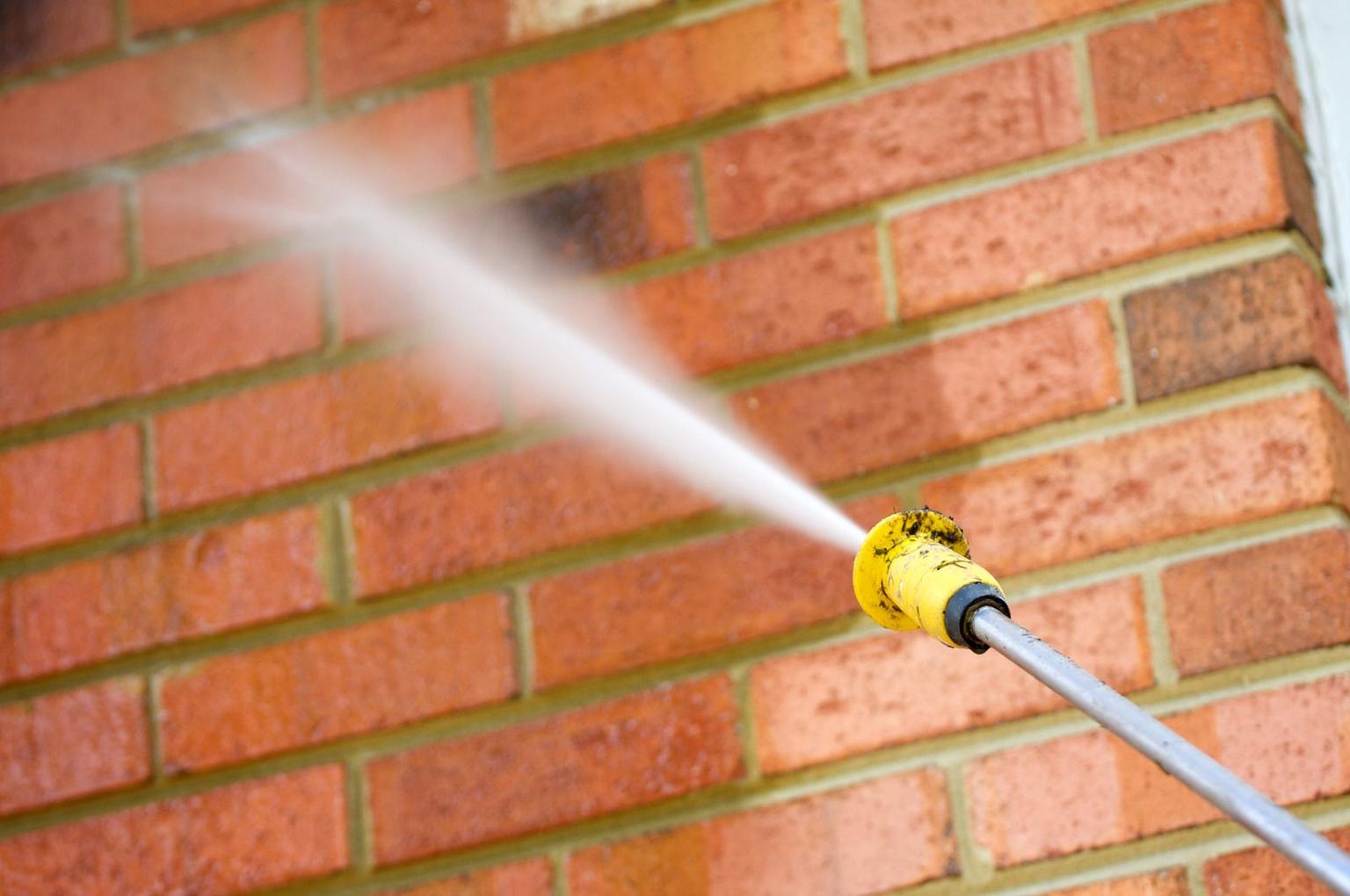
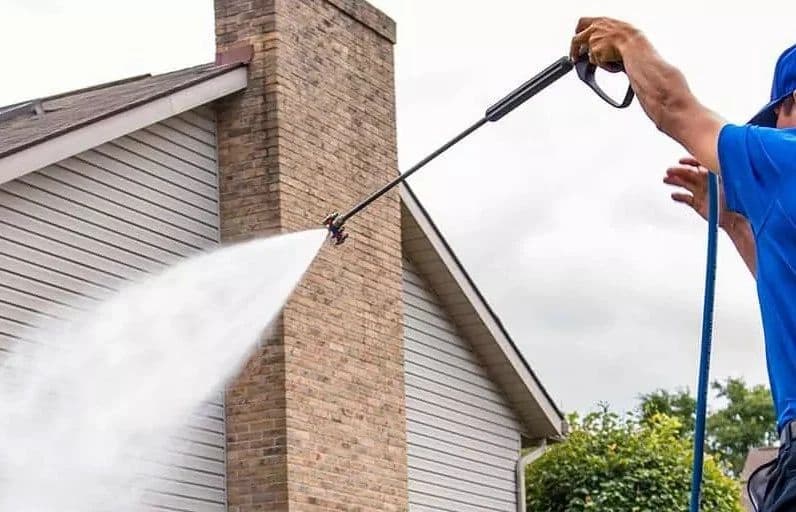
Pressure washing uses a powerful stream of water to blast away loose paint, mold, grime, dust, mud, and dirt from hard surfaces and objects. Unlike soft washing, which relies on chemicals, pressure washing depends entirely on the force of the water. This process uses a mechanical pump to generate high-pressure water, measured in PSI (pressure) and GPM (volume).
It's perfect for heavy-duty cleaning on tough, non-porous surfaces. For instance, it can tackle oil stains on driveways or grease stuck in hard-to-reach corners - areas where manual scrubbing just doesn't cut it. On average, a professional can clean the exterior of a standard home in about two hours.
One key distinction to note: pressure washing typically uses cold water. However, power washing - a specific variation - heats the water to improve grease and oil removal. Cold water machines are commonly used for residential tasks like cleaning siding and decks, while hot water machines are better suited for commercial spaces like gas stations or parking garages, where oil residue is a common problem.
How Pressure Washing Works
Pressure washing uses specialized nozzles to control the intensity of the water spray. These nozzles come in various angles, ranging from 15° to 65°, allowing for adjustments in spray force. Starting with a wider-angle nozzle is safer, and narrower tips should only be used on durable surfaces to avoid damage.
For large, flat surfaces like driveways, professionals often attach a rotating surface cleaner. This tool ensures even cleaning and prevents streaks. When paired with a surface cleaner, professionals may use up to 4,000 PSI for deep-cleaning concrete.
The power of pressure washing lies in its ability to physically dislodge dirt and grime, rather than dissolving it with chemicals. While this makes it highly effective for stubborn buildup, it can also cause significant damage if misused. Delicate surfaces like windows, glass, stucco, painted siding, or untreated wood should never be subjected to high pressure, as it can result in costly repairs.
Best Surfaces for Pressure Washing
Pressure washing works best on durable, hard surfaces that can withstand the force without chipping or eroding. Ideal candidates include concrete driveways and walkways, which are sturdy enough to handle high PSI. Other great options are stone walls and hardscaping, as pressure washing can remove deep-set grime and moss effectively.
Additional surfaces that respond well to pressure washing include:
- Composite wood or plastic decks
- Metal or composite siding
- Outdoor items like garbage cans and metal toys
Vinyl and aluminum siding can also be safely pressure washed with proper care. However, avoid using high-pressure nozzles near seams, as this could cause damage. Surfaces that should never be pressure washed include windows and glass (due to the risk of shattering), stucco and painted siding (which can strip paint or erode finishes), and untreated wood (which may be gouged by the high pressure).
Benefits of Pressure Washing
Pressure washing stands out for its ability to handle tough cleaning jobs quickly and efficiently. It’s particularly effective at removing stubborn grime, like oil stains, deeply embedded grease, and thick layers of dirt or mud - tasks that would otherwise require hours of manual effort.
Speed is another major advantage. Unlike soft washing, which often requires extended dwell times, pressure washing delivers immediate results. This makes it an excellent choice for large-scale projects, such as cleaning an entire driveway or patio in just one afternoon.
From a cost standpoint, pressure washing offers options for every budget. Electric pressure washers typically cost between $100 and $200, while gas-powered models are around $500. Hiring a professional service generally costs between $250 and $500, though more complex jobs - like cleaning brick - can run up to $1,000. For those who prefer a DIY approach, daily rental rates range from $40 to $100.
Safety is a critical consideration. In 2014, over 6,000 people visited emergency rooms due to injuries from pressure washers, with 14% requiring hospitalization. Always wear protective gear, including goggles, ear protection, and full-length clothing, as the high-pressure stream can cause severe injuries.
"The extreme danger with pressure washers is that even with what seems a very minimal skin break, the fluid can get deep into the tissue and spread out and cause bacterial infection."
- Howard Mell, M.D., Spokesman, American College of Emergency Physicians
Knowing these details helps you weigh the pros and cons of pressure washing versus soft washing. Up next, we’ll dive into a side-by-side comparison to help you make the best choice for your home.
Soft Wash vs. Pressure Wash: Main Differences
Let’s break down the key technical differences between soft washing and pressure washing.
The primary distinction lies in their cleaning methods. Soft washing depends on chemical solutions like surfactants and algaecides. These chemicals target and destroy contaminants, such as mold and algae, at their source instead of simply blasting them away. On the other hand, pressure washing relies entirely on mechanical force to remove dirt and grime.
Another major difference is the pressure level. Soft washing operates at much lower pressures, typically between 150 and 300 PSI, making it ideal for fragile surfaces like roof shingles or stucco. In contrast, pressure washing uses significantly higher pressures, ranging from 1,300 to over 4,000 PSI, which makes it better suited for tougher surfaces like concrete driveways.
Soft washing also requires a longer dwell time for the chemicals to effectively kill organic growth. Meanwhile, pressure washing delivers immediate results by physically removing debris. If you’re in a hurry and need quick results, pressure washing might be the better choice. However, for organic contaminants like algae or moss, soft washing often provides results that last longer.
Nozzle types further set these methods apart. Soft washing uses low-pressure nozzles, typically color-coded black or white, that gently mist or spray the cleaning solution. Pressure washing, in contrast, employs high-pressure nozzles - red, yellow, or green - that focus the water stream for maximum force. Choosing the wrong nozzle can lead to ineffective cleaning or even damage to the surface.
Comparison Table: Soft Wash vs. Pressure Wash
| Feature | Soft Washing | Pressure Washing |
|---|---|---|
| Pressure (PSI) | 150–300 PSI | 1,300–4,000+ PSI |
| Cleaning Agent | Requires detergents/chemicals | Optional; often uses water only |
| Nozzle Colors | Black, White | Red, Yellow, Green |
| Best Surfaces | Roofs, siding, wood, stucco | Concrete, stone, metal, brick |
| Primary Risk | Chemical exposure/plant damage | Surface erosion, stripped paint, injury |
| Speed | Slower (requires chemical dwell time) | Fast (immediate mechanical removal) |
These differences highlight why it’s essential to choose the right method for the surface you’re cleaning and the type of dirt or contaminants you’re dealing with.
When to Use Soft Washing
Soft washing works best for surfaces that could be damaged by high-pressure cleaning. This approach is especially important for fragile materials, as it avoids the risk of forcing water under siding or shingles, which could lead to long-term issues with your home’s exterior.
One of its standout benefits is how effectively it tackles organic growth, like algae or mold. By targeting the root of the problem, soft washing keeps surfaces clean for 12–18 months - lasting three to four times longer than traditional pressure washing.
"Soft washing is about preservation, while pressure washing is about power."
– Sadie Schroeder, MTM Hydro Parts
It’s also the preferred choice for surfaces held together by adhesives, mortar, or sand. High-pressure cleaning can dislodge these materials, leading to expensive repairs down the line. Additionally, for those new to DIY cleaning, soft washing offers a safer alternative, reducing the chances of accidentally damaging property or causing injuries.
Here’s a closer look at where soft washing shines.
Soft Washing Applications
Soft washing is recommended for:
- Roofing materials: Clean asphalt shingles, tiles, or cedar shakes without stripping protective granules, helping to maintain warranties.
- Vinyl and wood siding: Prevent water from seeping behind panels, which can cause hidden damage over time.
- Stucco: Avoid chipping or creating holes in this delicate surface by using a gentler cleaning method.
- Gutters: Use soft washing or manual cleaning to avoid loosening shingles or misaligning gutter systems.
- Wood fences and decks: Prevent splintering and preserve stains or paint by opting for soft washing.
- Other surfaces: Windows, screens, brick, masonry, and outdoor furniture (plastic, wicker, or treated wood) all respond well to this method.
Soft washing not only protects delicate materials but also extends the lifespan of your home’s surfaces, making it a smart choice for long-term care.
When to Use Pressure Washing
Pressure washing is the go-to method for cleaning tough, durable surfaces that can handle its high-powered water stream. It's especially effective on hard surfaces and for tackling stubborn stains that don't respond to gentler methods. This approach combines speed and strength, making it ideal for heavy-duty cleaning tasks.
Using water pressure between 1,300 and 4,000 PSI, pressure washing can cut through grime that traditional scrubbing can't touch, like oil stains, grease buildup, and graffiti. It's also a time-saver for large-scale jobs - a typical home exterior, for example, can be cleaned in about two hours.
Beyond cleaning, pressure washing is great for prepping surfaces before staining or painting. It removes loose paint and debris, creating a smooth, clean base for new finishes. Its powerful stream can even reach into grooves and crevices that are hard to clean manually. These qualities make it an excellent choice for tough surfaces and pre-refinishing prep work.
However, caution is key. Always test a small area first to ensure the material can handle the pressure without damage. Select the appropriate nozzle for the task - steer clear of the red 0-degree nozzle on most residential surfaces. Additionally, avoid using high pressure on delicate materials like windows, older brick with fragile mortar, or soft woods such as cedar. For tougher cleaning jobs involving grease or heavy organic matter, consider using a power washer with heated water, as the heat helps break down oils more effectively.
Pressure Washing Applications
Pressure washing shines on a variety of surfaces, including:
| Surface Type | Specific Applications |
|---|---|
| Concrete | Driveways, sidewalks, garage floors, and concrete steps |
| Stone & Masonry | Stone patios, walkways, and hardscaping |
| Metal | Equipment, industrial vehicles, and dumpsters |
| Asphalt | Sealed driveways and parking areas |
| Durable Wood/Composite | Treated wooden decks or composite decking (with care) |
| Heavy Equipment | Construction machinery, BBQ grills, and boilers |
For concrete surfaces, especially at full pressure (4,000 PSI), professionals recommend using a surface cleaner attachment. This tool disperses the pressure across multiple nozzles, which helps prevent surface etching and striping. Pairing the right technique with the proper attachment ensures a safe and effective cleaning process.
How to Choose the Right Method
Deciding between soft washing and pressure washing comes down to the type of surface and the kind of dirt you're dealing with. For more delicate surfaces like roof shingles, stucco, or weathered wood, soft washing is the safer option. Its gentle approach prevents damage and avoids water seeping into the structure. On the other hand, tougher surfaces like concrete driveways or stone patios can handle the more intense mechanical force of pressure washing.
The type of grime matters too. Organic growth - like algae, mold, or moss - calls for soft washing. Its chemical solutions target spores at their roots, reducing the chance of regrowth. For stubborn dirt, mud, or oil stains on hard surfaces, pressure washing is more effective at breaking down and removing the buildup.
Factors to Consider
Before starting, inspect the area carefully. Look for loose mortar, peeling paint, or fragile adhesives that might not hold up under high pressure. Also, check for gaps around windows, doors, or siding panels - pressure washing can force water into these spaces, while soft washing uses low pressure (under 500 PSI), minimizing the risk.
Assess the condition of the surface and think about your available time and experience. Pressure washing works faster but demands a steady hand and skill to avoid damage. Soft washing, while slower, is more forgiving and easier to control. For the best results, some projects might require a combination of both methods - use pressure washing for sturdy areas like driveways, then switch to soft washing for more delicate spots like shutters, gutters, or front doors. Always test a small, inconspicuous area first to ensure the method is safe.
Conclusion
Soft washing and pressure washing each play a specific role in keeping your home in good shape and avoiding expensive repairs. Soft washing relies on low pressure (150–300 PSI) combined with biodegradable cleaning solutions to safely clean delicate surfaces. On the other hand, pressure washing uses high-pressure water (1,300–4,000 PSI) to tackle tough stains on sturdier areas.
Choosing the right method for each surface is key. Fragile materials benefit from soft washing’s gentle touch, which avoids issues like chipping, peeling, or water damage. Meanwhile, pressure washing is perfect for durable surfaces like driveways and sidewalks, where it can remove stubborn grime effectively. Many homeowners find that a combination works best - using pressure washing for hardscapes and soft washing for the house exterior ensures every area is treated properly and cleaned thoroughly.
Before starting, consider the surface type, the dirt you’re dealing with, and your confidence in handling the equipment. If you’re unsure, test a small section first or reach out to ViewCrew Services for expert advice. Using the right cleaning method not only protects your home but also keeps it looking its best.
FAQs
Will soft wash chemicals harm my plants or pets?
Soft wash chemicals, when used as directed, are typically safe for plants and pets. To keep everything protected, you can take simple precautions like covering plants with breathable tarps to prevent direct contact. Additionally, using proper application methods helps maintain safety for your outdoor areas and the well-being of your pets.
Can I soft wash and pressure wash on the same day?
Yes, you can use both methods on the same day, but it depends on the type of surfaces and your cleaning goals. Soft washing is perfect for more delicate surfaces, such as roofs or siding, while pressure washing is better suited for tougher materials like concrete or brick. Always evaluate the surface and its condition beforehand to ensure you achieve the results you want without causing any damage.
How do I know the PSI is safe for my surface?
When determining the right PSI (pounds per square inch) for your cleaning job, it's crucial to think about the material you're working with. For delicate surfaces like shingles or stucco, soft washing is the way to go, using a gentler pressure of around 150–300 PSI. On the other hand, pressure washing is better suited for tougher materials, such as concrete, and typically requires at least 1,300 PSI. Always double-check the recommended PSI range for your specific surface to avoid damage while ensuring a thorough clean.