Does your home look dull or neglected? Pressure washing can fix that - and prevent costly repairs. Here are five clear signs it's time to clean your home's exterior:
- Dirt and grime buildup: Faded siding, streaky walls, and gritty surfaces lower curb appeal and can signal structural damage.
- Mold or mildew growth: Dark stains on walls, roofs, and fences harm appearances, surfaces, and even your health.
- Oil-stained driveways: Grease and oil seep into porous concrete, causing discoloration and cracks.
- Faded siding and decks: Dull, discolored surfaces not only look neglected but may also be deteriorating.
- Black streaks on roofs: Algae can damage shingles, trap heat, and shorten your roof's lifespan.
Regular pressure washing - once or twice a year - can protect your home, improve its appearance, and even boost its value by up to 14%. Don't wait for these issues to worsen; cleaning now can save you money and safeguard your property.
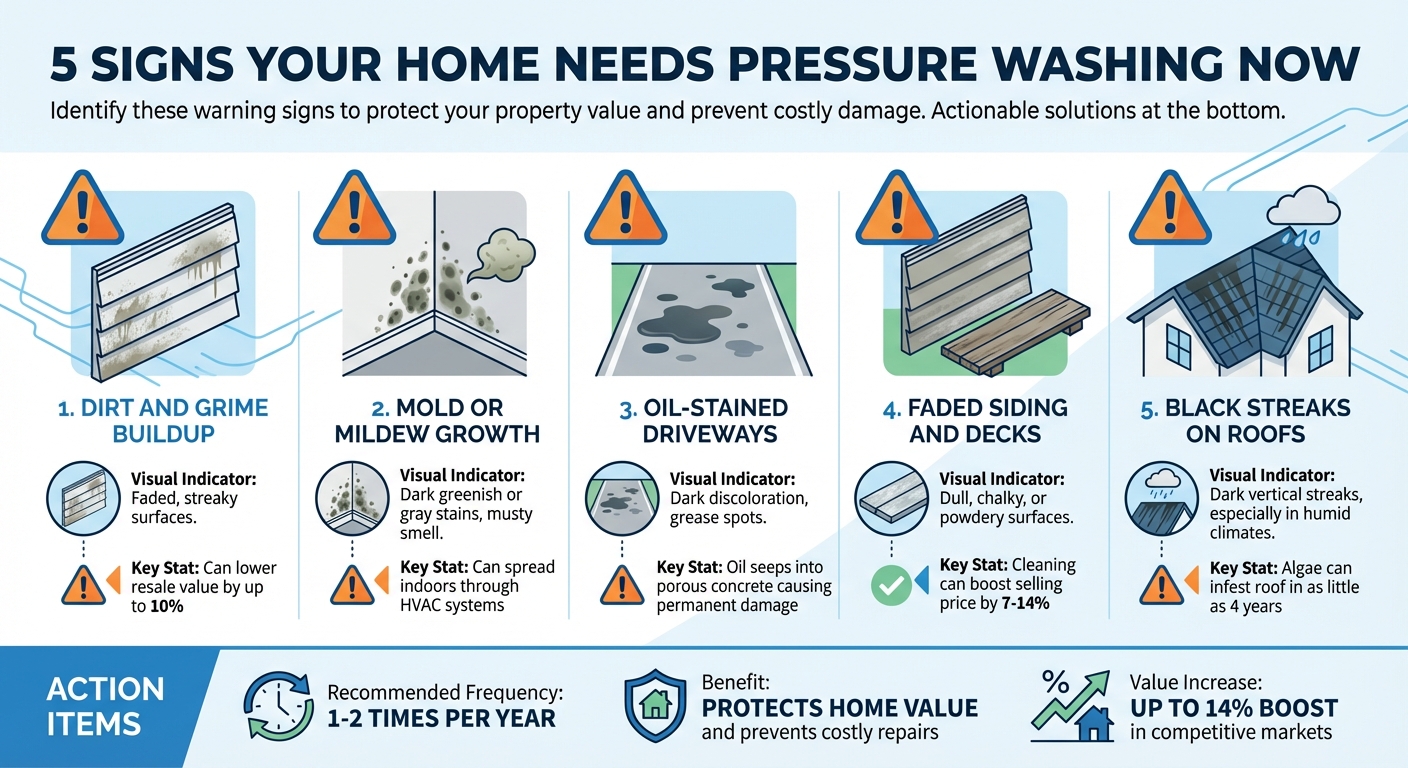
5 Warning Signs Your Home Needs Pressure Washing
1. Dirt and Grime Covering Your Exterior
When dirt and grime take over your home's exterior, the problem goes far beyond appearances. Dust, pollen, and pollution settle into siding, windows, and walkways, creating unsightly streaks and dulling the original colors of your surfaces. These visual changes don't just hurt your home's look - they can also signal underlying structural issues.
Impact on Curb Appeal
A dirty exterior can lower your home's resale value by up to 10%. Layers of grime make walls appear faded, gray, or even yellow, which can turn off potential buyers. High-traffic spots like driveways often collect oil stains and tire marks, giving even a well-maintained property an unkempt appearance. If your siding feels gritty or chalky, it’s likely a sign of pollutant buildup that needs immediate attention. Beyond aesthetics, this buildup can weaken the integrity of your surfaces over time.
Potential Damage to Surfaces if Untreated
Grime isn’t just an eyesore - it’s harmful. Concrete and pavement absorb dirt, leading to permanent discoloration without proper care. Organic growth like mold and mildew traps moisture, which can rot wood and weaken structural elements. Even vinyl siding isn’t immune; algae and mold can strip away its protective layers, speeding up wear and tear.
"Mold and mildew can penetrate porous materials, causing deterioration and potentially leading to costly repairs." - Hydro-Kleen Pressure Washing
Ease of Cleaning with Pressure Washing
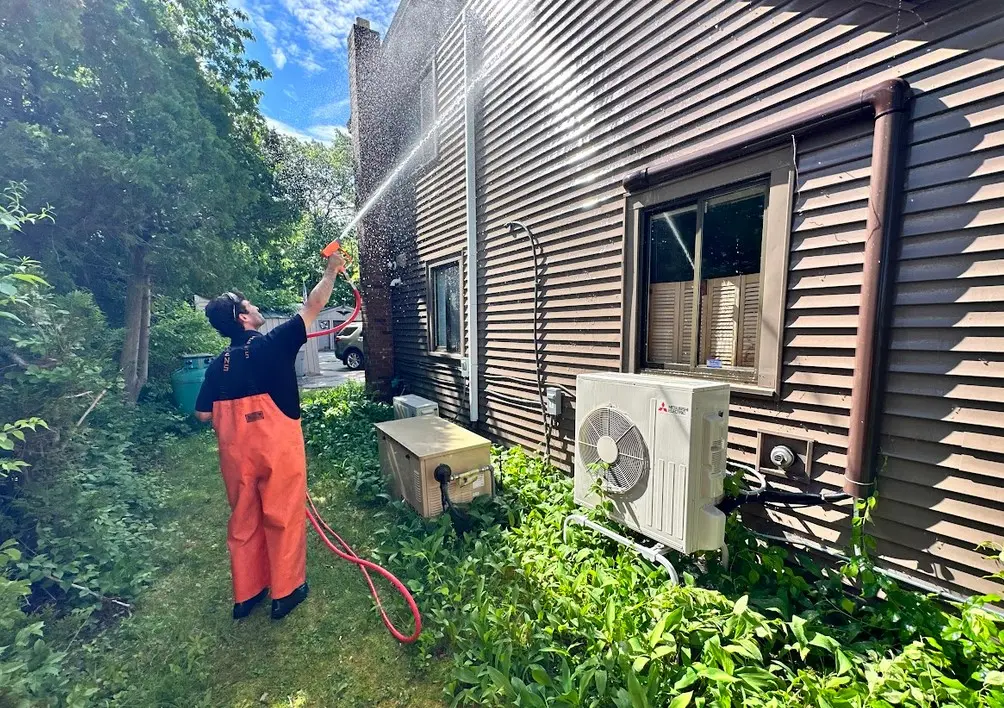
Pressure washing offers a powerful solution by using high-pressure water to remove stubborn grime. This process not only restores your home's original colors but also preps surfaces for sealants or paint. Experts recommend cleaning vinyl siding once a year and wood siding every one to two years to avoid lasting damage. Start with driveways, walkways, and entryways - these are the first areas visitors notice.
sbb-itb-238bf3c
2. Mold or Mildew on Walls and Surfaces
Impact on Curb Appeal
Mold and mildew can leave dark, greenish, or gray stains on siding, roofs, and fences, covering up the original paint and making homes look neglected. This issue becomes even more noticeable in shaded spots like entryways and covered patios, where musty smells can turn visitors away and hurt property value.
But the problem isn't just about appearances - mold can also impact your family's health.
Health and Safety Risks
Mold spores can spread indoors through vents and HVAC systems, worsening asthma, allergies, and other respiratory problems. Blue-green algae, such as Gloeocapsa magma, create black streaks by feeding on moisture and nutrients in shingles. In humid climates, black mold can start growing on outdoor surfaces within months of the wet season. Algae buildup on walkways and pool decks also makes these areas slippery, increasing the chance of accidents.
Potential Damage to Surfaces if Untreated
Mold doesn’t just sit on surfaces - it can break them down. Wooden materials like siding, studs, and floorboards are especially prone to rot and structural damage. On roofs, mold growth can lift shingles, weaken the protective barrier, and lead to leaks, which can shorten the roof's lifespan. Mold can also seep into cracks in materials like vinyl and stucco, trapping moisture that warps surfaces and attracts pests.
Ease of Cleaning with Pressure Washing
Pressure washing, with a force of 1,500–3,000 PSI, is a powerful way to remove mold spores from porous surfaces when combined with mold-killing solutions like sodium hypochlorite.
"Pressure washing is one of the most effective methods for removing mold from exterior surfaces. The high-pressure water can penetrate porous surfaces, lifting and removing mold spores embedded into the material."
– KC Power Clean
For best results, pre-treat surfaces with a mold-killing solution before pressure washing. When cleaning vertical walls, work from the top down to prevent dirty water from running over already-cleaned areas. After the surface dries, applying a mold inhibitor can help keep mold and mildew from returning, especially in damp or shaded spots.
3. Oil Stains and Discoloration on Your Driveway
Impact on Curb Appeal
Your driveway is one of the first things people notice when they arrive at your home. Oil and grease stains can immediately make it look worn out and unkempt, dragging down your home's overall curb appeal.
"Your driveway is one of the first things people notice when they approach your home, and it plays a major role in setting the tone for the rest of your property."
– Edwin Cintron
On top of that, weather exposure and sunlight gradually fade concrete and asphalt, dulling their appearance even further. This isn't just about looks - oil-slicked surfaces can become slippery when wet, posing safety risks. Plus, these contaminants can get tracked into your home, creating additional mess.
Potential Damage to Surfaces if Untreated
Concrete is a porous material, meaning it doesn't just let oil sit on the surface - it absorbs it. Once oil seeps in, it bonds to the concrete's structure and won't simply evaporate like water-based stains. Over time, rain, snow, and temperature fluctuations can push the oil deeper, widening cracks and allowing more moisture and dirt to penetrate. If ignored, this can lead to bigger problems like potholes, surface cracks, and expensive repairs.
Ease of Cleaning with Pressure Washing
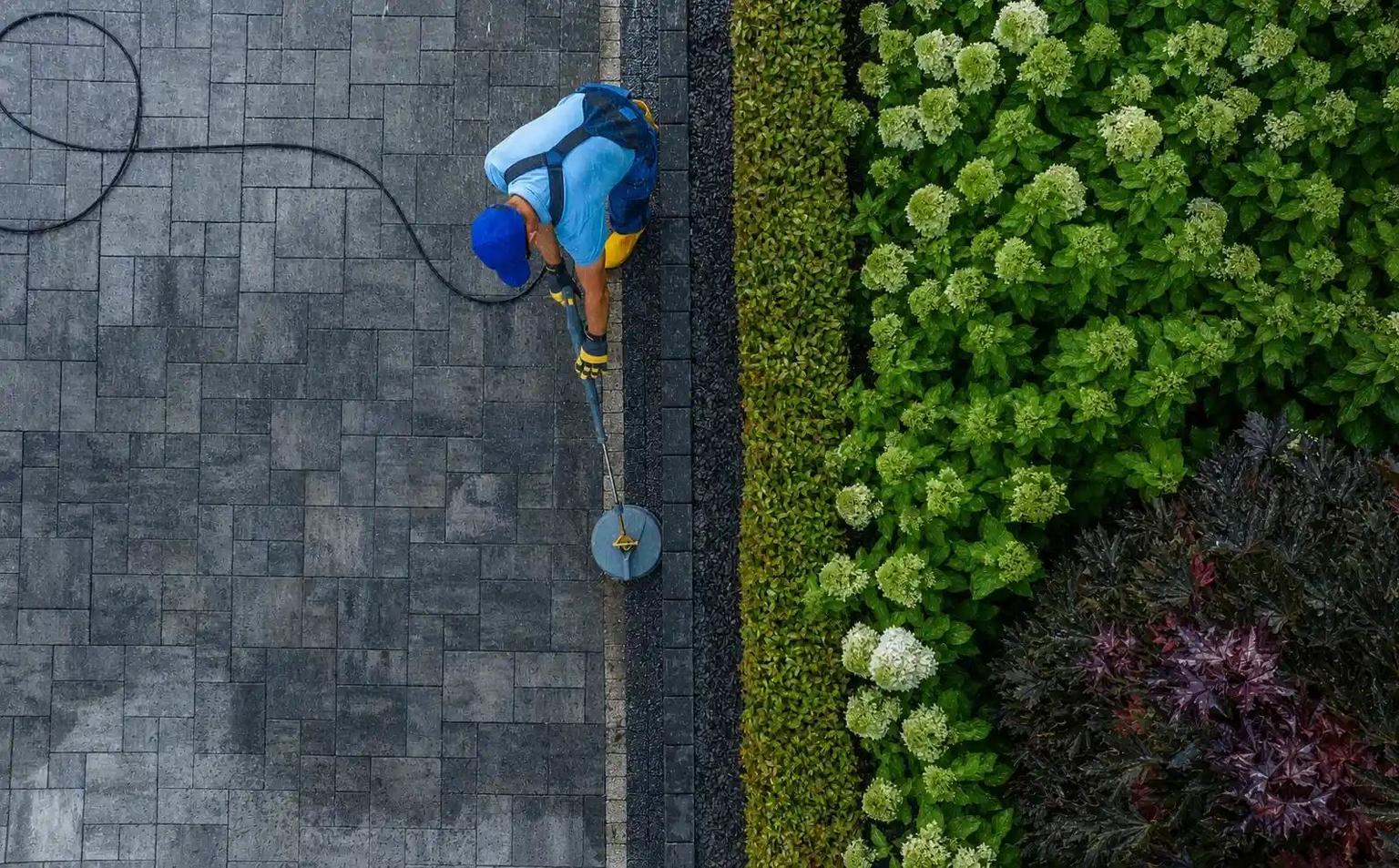
Pressure washing is a highly effective way to tackle stubborn oil stains that regular cleaning methods can't handle. Professional-grade equipment produces water pressure between 1,500 and 3,000 PSI, strong enough to break down oil trapped in concrete's pores.
"Pressure washing is the best way to remove these tough stains without damaging the surface."
– Edwin Cintron, Go2 Pro Cintron Pressure Washing LLC
For best results, apply a commercial degreaser and scrub the area with a stiff-bristle brush before using a pressure washer. Regular cleaning - at least once a year - and applying a sealant periodically can help keep oil stains from becoming permanent.
4. Dull or Discolored Siding and Decks
Faded siding and decks might not grab your attention like visible stains, but they’re a clear sign your home’s exterior could use some care.
Impact on Curb Appeal
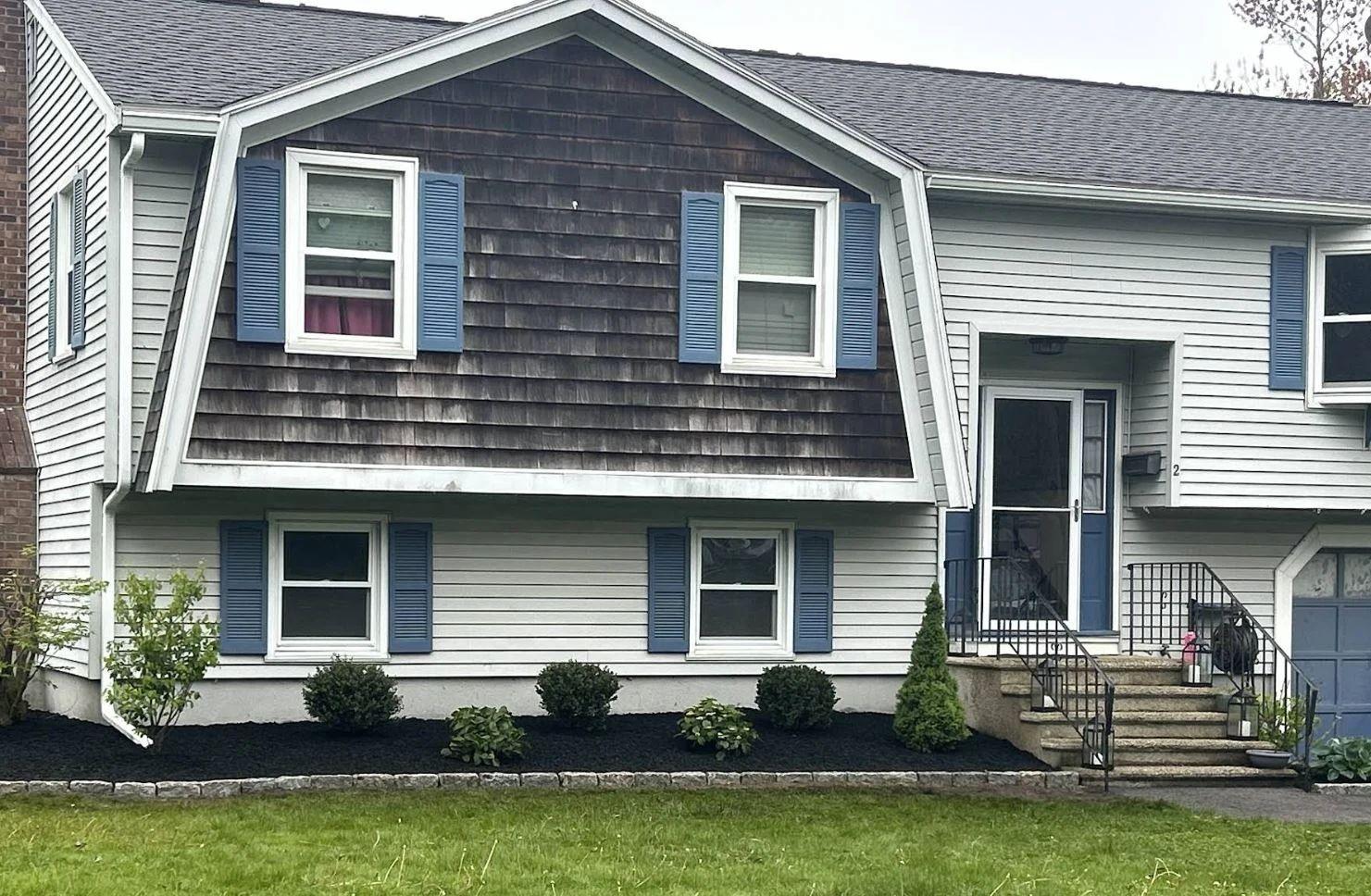
When your siding and decks lose their vibrancy, your home can appear older and less well-maintained. Dirt and grime build-up only add to the problem, leaving an impression of neglect. Dull or streaky siding doesn’t just impact how your home looks - it can also decrease its resale value. On the bright side, a good cleaning can breathe new life into your home’s exterior and is one of the most cost-effective ways to boost curb appeal before selling.
Potential Damage to Surfaces if Untreated
The problem goes beyond appearances. Ignoring discolored siding and decks can open the door to more serious issues. Mold, mildew, and algae don’t just look bad - they actively damage surfaces by breaking down paint, wood, and siding, leading to warping, erosion, or even wood rot.
"Left alone, [organic growths] create small pockets where moisture collects and slowly damages the surface underneath. This leads to warping, discoloration, or erosion that may require repairs if left unchecked." – Superior Powerwashing
If you notice a chalky or powdery residue on your siding, that’s oxidation - a sign the material is deteriorating and needs professional attention. Letting this go unresolved could even attract pests, as grime can serve as food or nesting material for insects.
Ease of Cleaning with Pressure Washing
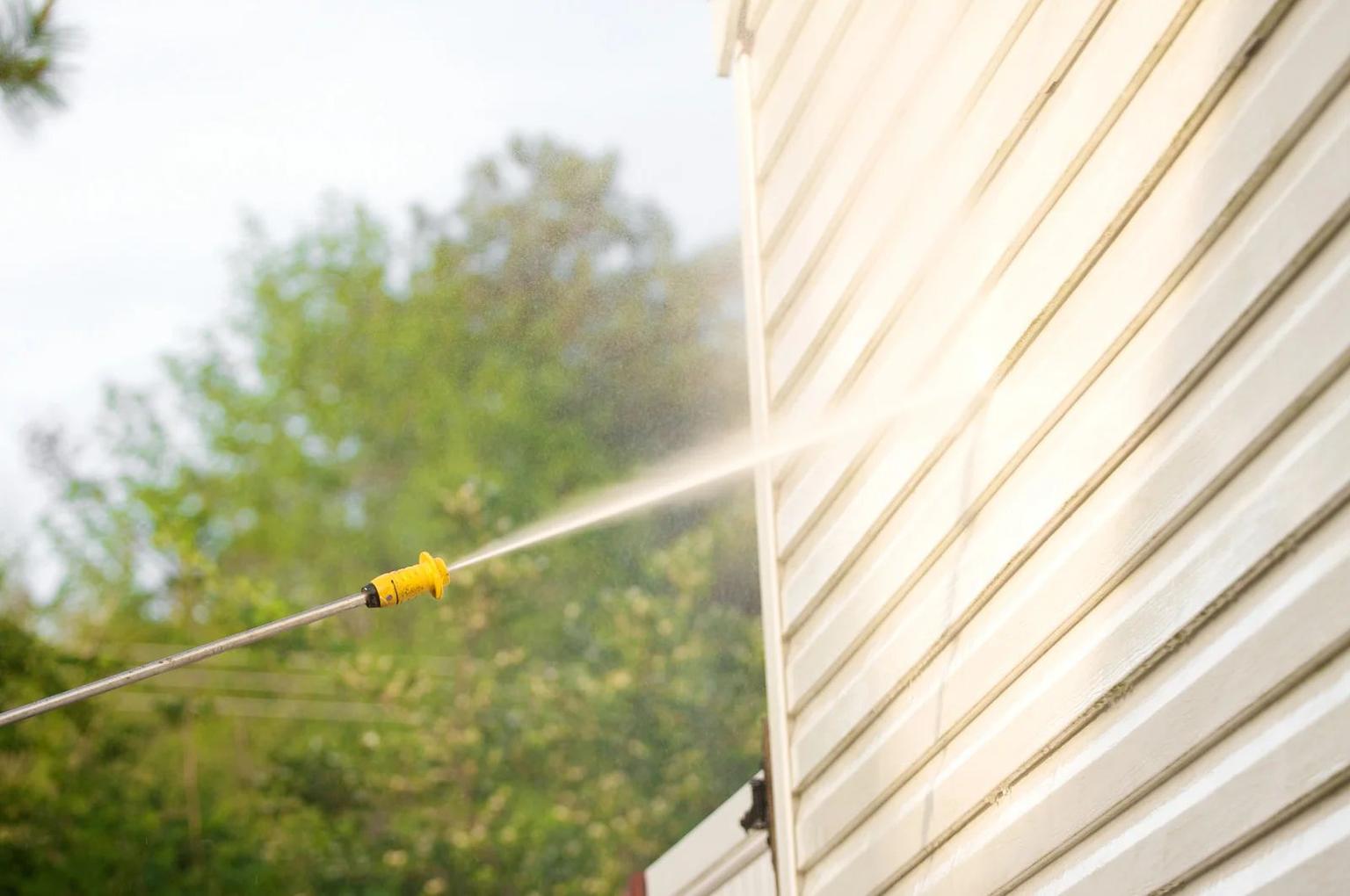
Pressure washing is an effective way to restore your siding and decks, removing layers of dirt, pollen, and pollutants that cause fading. It also clears away mold, mildew, and algae, which often show up as green or black streaks in shaded areas. Cleaning these surfaces not only improves curb appeal but also helps protect your home’s structural integrity.
A yearly pressure washing can prevent permanent damage and prep surfaces for new finishes. Be sure to focus on areas like the north side of your home or under eaves - these damp, shaded spots are hotspots for mold and mildew growth.
5. Black Streaks on Your Roof or Siding
Dark streaks on your roof or siding aren't just an eyesore - they're a sign of a growing issue that needs attention.
Impact on Curb Appeal
These streaks don't just make your home look unkempt; they can actually hurt its value. Studies show that visible neglect, like black streaks, can lower your home's resale value by as much as 10%.
Potential Damage to Surfaces if Untreated
The culprit behind these streaks is Gloeocapsa magma, an airborne algae that thrives on the limestone filler in modern asphalt shingles. Over time, this algae eats away at the protective granules, leading to premature aging, cracking, and curling of shingles. In humid areas, a roof can become infested with algae in as little as four years.
"If you allow an algae and/or mold situation to stay on your roof, it could damage its integrity beyond the point of simple repairs." – Mr. Roof
These streaks don't just harm your roof's structure. They absorb heat, which can increase attic temperatures and cooling costs. Additionally, trapped moisture can lead to wood rot, loosen shingles, and make your roof more vulnerable to wind damage.
Ease of Cleaning with Pressure Washing
When it comes to cleaning, avoid using high-pressure washing on your roof. It can strip away the protective granules and might even void your roof's warranty. Instead, opt for professional soft washing. This method uses low-pressure water combined with specialized cleaning solutions that sit on the surface for 15–30 minutes to effectively break down algae.
For long-term prevention, consider installing zinc or copper strips along the roof ridge. These metals release particles that inhibit algae growth. Trimming overhanging branches can also help by reducing shade and moisture, which algae thrive on.
Get Professional Results with ViewCrew Services

Once you’ve spotted the signs that your home needs pressure washing, bringing in experts can save you money and protect your property’s surfaces.
Ignoring the warning signs can lead to higher cleaning costs - up to 25–30% more - since neglected areas often require additional work to restore.
ViewCrew Services operates across Massachusetts, Southern New Hampshire, and Connecticut, offering specialized cleaning techniques tailored to your needs. They use soft washing (under 500 PSI) for delicate surfaces and high-pressure methods for sturdier ones. Soft washing provides lasting results, typically holding up for 4–6 years compared to just 6–12 months with older techniques.
"Professional soft washing safely removes damaging algae and moss growth, helping prevent costly repairs and significantly prolonging your roof's lifespan." – ViewCrew
With over 1,000 reviews and a perfect satisfaction rate, ViewCrew backs every project with a 100% guarantee and offers free, no-obligation estimates. Their team uses eco-friendly cleaning solutions designed to eliminate mold and algae at the root while keeping your landscaping safe.
Timing matters, too. Schedule your pressure washing in spring to tackle winter salt and grime, or aim for late September/October to avoid peak-season rates. For a typical 2,000 sq ft home in Massachusetts, house washing costs range from $400–$650, while roof soft washing runs between $400–$700.
Conclusion
From grimy exteriors to stained driveways, these five warning signs make it clear when pressure washing is overdue. Your home's exterior doesn’t just affect its appearance - it also reflects its overall health. Dirt buildup, mold growth, oil-stained driveways, discolored siding, and black streaks on the roof are all signals that action is needed. Ignoring them can cause more than just an eyesore; it can lead to issues like wood rot, warped siding, and surface erosion, which can result in costly repairs.
Taking care of these problems early is a smart move. Regular pressure washing not only keeps your home looking great but also protects your investment. A clean, well-maintained exterior can increase selling prices by 7% - and even up to 14% in competitive real estate markets. Plus, it’s about more than just looks. Removing mold spores, allergens, and slippery algae creates a safer and healthier environment for you and your family.
To keep your home in top shape, scheduling a professional cleaning at least once a year is key. This helps prevent material damage and ensures your property retains its value.
If you’re in Massachusetts, Southern New Hampshire, or Connecticut, ViewCrew Services offers free estimates and a 100% satisfaction guarantee. Don’t wait until minor issues turn into expensive repairs - address these five signs now to keep your home looking its best and safeguard your investment.
FAQs
Can pressure washing damage siding, decks, or concrete?
Pressure washing can indeed cause damage to siding, decks, or concrete if not done correctly. Applying too much pressure, using an inappropriate nozzle, or relying on harsh chemicals can result in problems like cracking, warping, or etching the surface. To prevent these issues, it's essential to use the right equipment and techniques.
Should I pressure wash my roof or use soft washing?
Soft washing is often the preferred method for cleaning roofs compared to pressure washing. This technique uses low-pressure water combined with cleaning solutions to gently clean materials like shingles without causing harm. Unlike pressure washing, which uses high PSI and can dislodge shingles or strip away protective granules, soft washing minimizes the risk of damage. It’s an effective way to remove moss, algae, and dirt while keeping your roof intact and secure.
How do I know if I should hire a pro or DIY?
When deciding whether to hire a professional or tackle pressure washing yourself, start by evaluating the situation. If you're dealing with heavy mold, mildew, algae, tough stains, or peeling paint, it's best to call in a professional. These issues often demand specialized tools and know-how to handle effectively.
On the other hand, for lighter dirt or grime, a DIY approach might be enough - as long as you’re confident using the equipment. However, for larger areas or more complicated tasks, hiring a professional ensures the job is done safely and thoroughly.