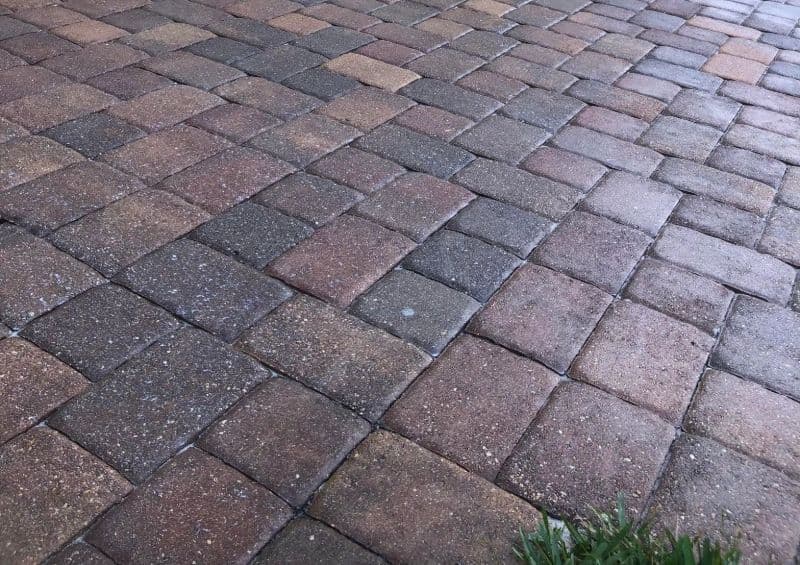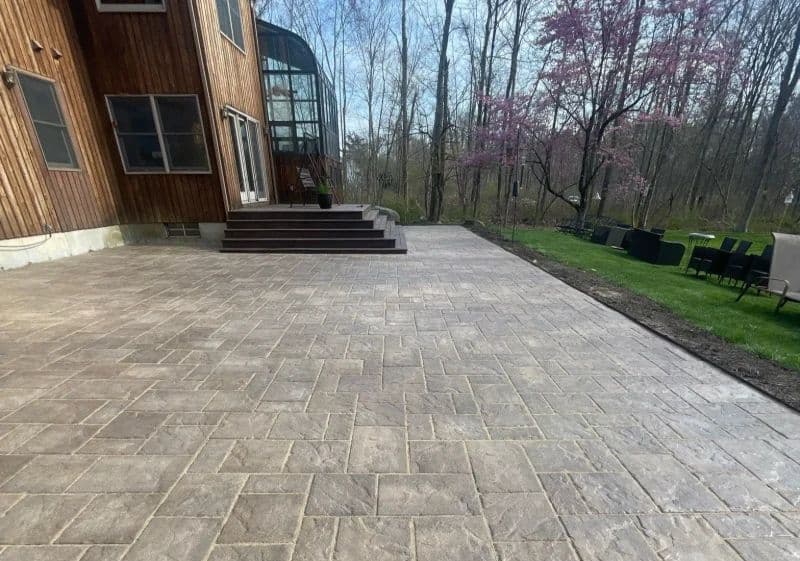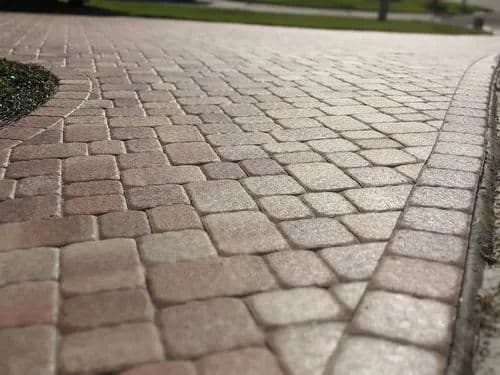
How often should you seal your pavers? Most experts recommend resealing every 2–3 years for high-traffic or extreme weather areas. In milder climates or low-use spaces, a high-quality sealer can last up to 5 years. For new pavers, wait about a year before sealing to allow proper settling.
Key factors that affect sealing frequency:
- Climate: Freeze-thaw cycles, heavy rain, and UV exposure can wear down sealers faster.
- Paver Material: Brick and concrete need resealing more often (2–3 years) compared to natural stone (4–5 years).
- Traffic: Driveways and busy walkways require more frequent maintenance than patios or garden paths.
- Sealer Type: Film-forming sealers last 3–5 years, while penetrating sealers typically last 2–3 years.
Signs you need to reseal: Water absorbs quickly instead of beading, colors fade, weeds or moss grow in joints, or joint sand erodes. A simple water test can confirm if resealing is overdue.
For optimal results, plan to reseal during dry weather with temperatures between 50°F and 85°F. Professional services cost $1–$3 per square foot, a small price to protect your investment.
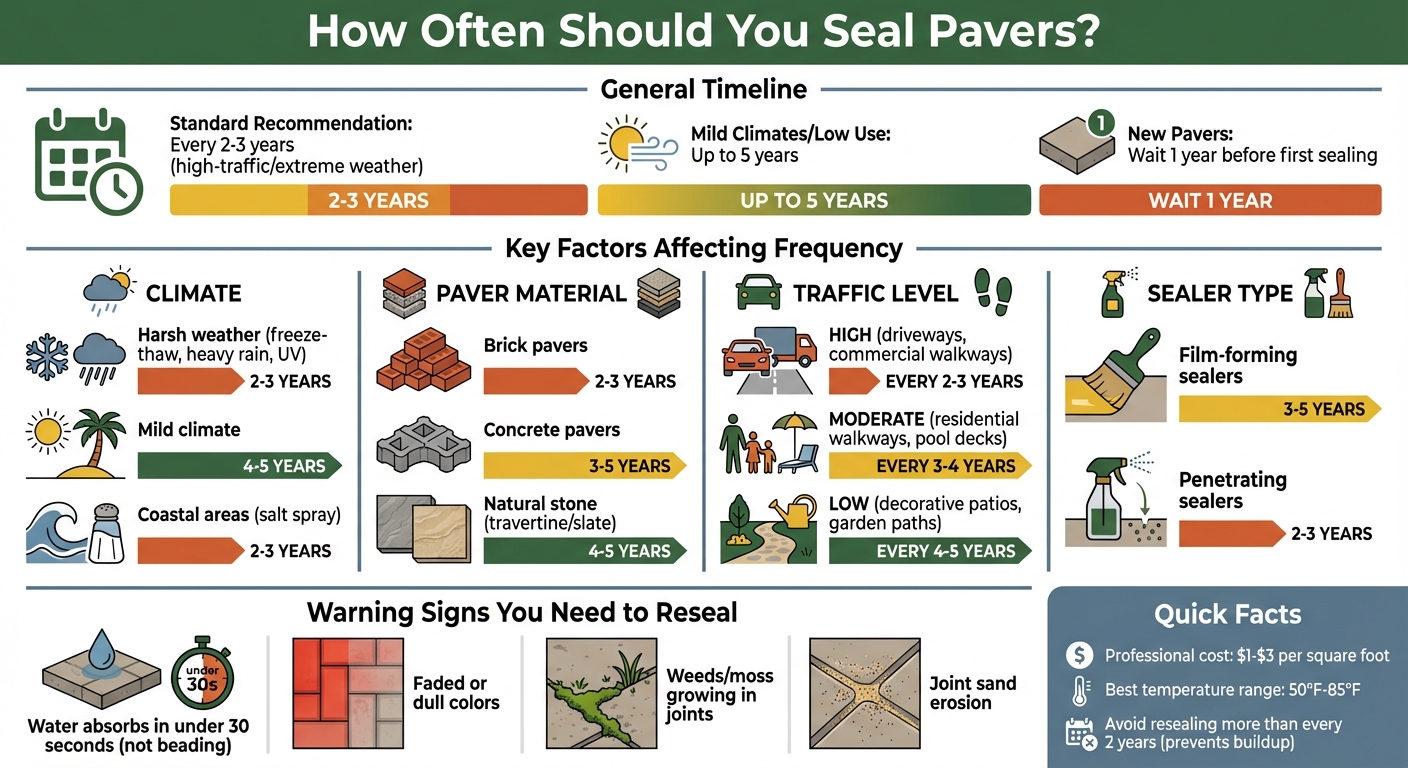
Paver Sealing Frequency Guide: Factors and Timelines
How to Seal Paver Stone | DIY Paver Stone Sealing Step-by-Step
sbb-itb-238bf3c
How Often Should You Seal Pavers?
Experts typically suggest resealing pavers every 2 to 3 years to keep them protected and looking their best. However, in areas with less foot traffic or milder weather, a high-quality sealer might last up to 5 years.
The durability of a sealer depends on factors like usage and weather conditions. For instance, driveways with heavy traffic or locations exposed to harsh climates will see the sealer wear down faster. With professional sealing services costing between $1 and $3 per square foot, keeping up with regular maintenance is a practical way to protect your investment. Frequent sealing ensures the pavers stay intact and appealing for years to come.
Why Sealing Frequency Matters
Sealing does more than enhance the look of your pavers - it plays a vital role in preventing issues like shifting or uneven surfaces. As noted by an industry professional:
"Driveways and walkways with heavy foot or car traffic will experience quicker sealer wear. These surfaces need sealing more often."
– Sunstate Turf and Hardscapes
The protective layer created by sealing helps block oil, grease, and food stains from penetrating the porous material. It also includes UV inhibitors to prevent color fading and shields the surface from damage caused by rain, ice, and erosion. Additionally, sealing deters the growth of weeds, moss, and algae in the joints, and can even discourage ants from nesting.
For newly installed pavers, the sealing schedule differs slightly to avoid early complications.
When to Seal New Pavers
If you’ve recently installed pavers, it’s crucial to hold off on sealing right away. Wait about a year before applying the first coat of sealer. This delay allows the joint sand to settle and ensures the pavers have fully cured.
Sealing too soon can trap moisture and minerals beneath the surface, causing unsightly white, chalky spots - known as efflorescence - as well as peeling or poor adhesion. Once the pavers are properly set, you can begin sealing and then stick to the usual 2 to 3-year maintenance cycle, which differs from the initial timeline for new installations.
What Affects How Often You Should Seal Pavers
How often you need to reseal pavers depends on several factors: climate, the type of paver material, how much the area is used, and the quality of the sealer. Generally, pavers should be resealed every 2–3 years, though in milder conditions, this can stretch to 5 years. Let’s break down how each factor plays a role.
Climate and Weather Conditions
The weather in your area plays a big part in how long a sealer lasts. In colder climates, freeze-thaw cycles can push water into the pores of the pavers, leading to small cracks and damage over time. Ryan Cooper from Kleen Seal highlights the challenges of varied weather:
"In regions like New Jersey, where the seasons bring everything from frigid winters and Nor'easters to hot, humid summers, understanding how various weather conditions affect concrete brick pavers is critical."
Sun exposure is another factor. Surfaces facing south or west get more sunlight, which can break down the sealer faster. Heavy rain can wear away surface protection, and coastal areas often deal with salt spray that speeds up flaking. On the other hand, shaded areas with high humidity may face issues like mold or moss, which can weaken the sealer. If you live in a place with harsh winters or intense sun, resealing every 2–3 years is a good idea.
Paver Material Type
The type of paver material you have also determines how often it needs sealing. For example:
- Brick pavers: These are very absorbent and typically need resealing every 2–3 years to prevent fading and damage.
- Concrete pavers: With moderate porosity, these usually require resealing every 3–5 years.
- Natural stone (like travertine or slate): These denser materials often need sealing every 4–5 years, usually with specialized penetrating sealers.
A quick water test can help you figure out if resealing is due. If water soaks into the paver in under 30 seconds, the sealer has likely worn off. Keep in mind that textured pavers may hold onto sealer longer than smooth ones, which tend to show wear more quickly.
Traffic and Usage Patterns
How much traffic your pavers endure also affects how often you’ll need to reseal them. Heavily used areas like driveways or commercial walkways usually need attention every 2–3 years, while less-trafficked spaces like decorative patios can last 4–5 years.
| Traffic Level | Typical Application Area | Recommended Resealing Frequency |
|---|---|---|
| High | Driveways, commercial walkways, entry points | Every 2–3 years (or annual touch-ups) |
| Moderate | Main residential walkways, pool decks | Every 3–4 years |
| Low | Decorative patios, shaded garden paths | Every 4–5 years |
In general, high-traffic areas require more frequent care, while lightly used spaces can go longer between applications. However, the type of sealer also plays a role in how long the protection lasts.
Type and Quality of Sealer
Not all sealers are created equal, and the type you use will impact how often you need to reapply.
- Film-forming sealers: These create a glossy protective layer and usually last 3–5 years.
- Penetrating sealers: These provide a matte finish and typically last 2–3 years.
Higher-quality sealers can extend the time between applications and reduce the risk of issues like buildup. However, avoid resealing more frequently than every two years, as this can lead to a cloudy appearance caused by over-application.
Signs Your Pavers Need Resealing
Spotting early signs that your pavers need resealing can save you from expensive repairs down the road. From water absorption to weed growth, these indicators help you determine when it’s time to take action.
Water Soaks In Instead of Beading
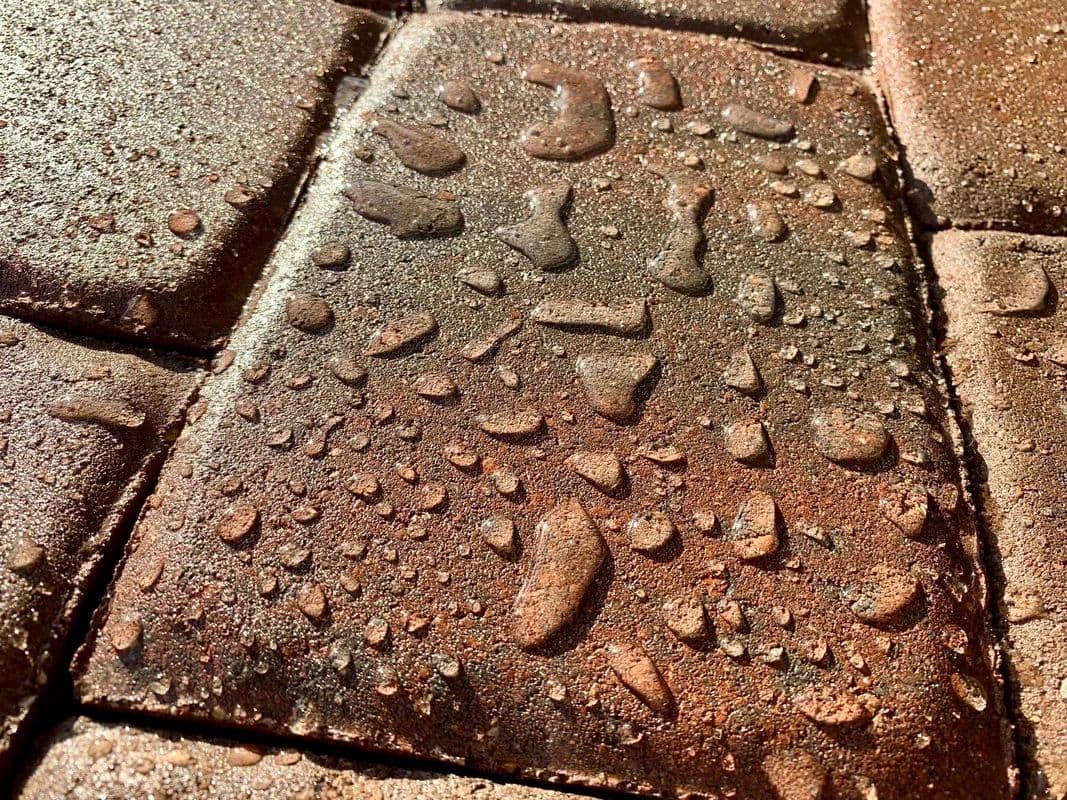
A quick water test can reveal if your pavers still have adequate protection. When a surface is properly sealed, water forms beads that sit on top. But if water soaks in quickly, darkening the pavers, it’s a clear sign the protective barrier has worn off.
Here’s a breakdown of what your water test results mean:
- Absorption in under 30 seconds: Resealing is urgently needed.
- Absorption within 1–2 minutes: The sealer is weakening; plan to reseal within six months.
- Beading for 5 minutes or more: Your sealant is in great condition.
Without an effective seal, water can seep into the pavers, leading to freeze-thaw cycles in winter and creating a damp environment where mold, mildew, and algae thrive. Additionally, unsealed pavers are prone to absorbing oil, grease, and organic matter, which can leave permanent stains.
Faded or Dull Colors
If your pavers start looking dull or faded, it’s another signal that resealing is overdue. A worn sealer loses its UV protection, allowing colors to fade and efflorescence to appear. Efflorescence - a white, powdery residue - indicates that moisture is freely moving through the pavers. You might also notice the surface feels rougher than when it was newly installed, which is often a result of prolonged exposure to the elements.
Weeds, Moss, or Algae Growing Between Pavers
Weed growth between pavers is a telltale sign of sealer failure. Sealers are designed to harden the sand in the joints, preventing seeds from taking root. If weeds, moss, or algae begin to appear, it’s time to reseal. As Paver Protector explains:
"New weed growth in the joints shows your sealant has weakened its hold. Thus, this indicates it is time to apply new sealant."
Additionally, joint sand erosion can create gaps for organic growth. Missy Ordiway from Hoover Pressure Cleaning notes:
"Weeds or grass start growing between the pavers... could mean the joint sand has been washed away and needs to be replaced."
If you notice sand loss, remove any weeds or moss and reseal promptly to maintain the integrity of your pavers. Keeping an eye on these signs will help you stay on top of your resealing schedule and protect your investment.
Sealing Pavers in New England: Regional Tips
When it comes to sealing pavers in New England, understanding the local climate is crucial. The region's weather, from harsh freeze-thaw cycles to heavy spring rains, means paver maintenance requires careful timing. Homeowners in areas like Massachusetts, Southern New Hampshire, and Connecticut need to plan their sealing projects around these conditions to ensure lasting protection.
Best Times of Year to Seal Pavers
The ideal seasons for sealing pavers in New England are late spring to early summer or fall. Choosing late spring or early summer allows you to repair winter damage and shield your pavers from summer’s intense UV rays and spring rains. However, many experts recommend fall (September through early November) as the prime season. According to Bulletproof Pavers:
"In most markets, September through early November delivers more forgiving conditions, and the sealed surface has months to harden before freeze-thaw stress."
For the best results, aim for a 3-4 day stretch of dry weather with temperatures between 50°F and 85°F. Use an infrared thermometer to ensure the surface temperature of your pavers falls within this range. Winter sealing isn’t an option, as curing requires surface temperatures of at least 50°F for 24 hours.
Be mindful of peak pine and oak pollen seasons, as trapped pollen can create a yellow haze under the sealant. By choosing the right timing, you’ll minimize prep work and maximize durability against New England’s tough weather.
Dealing with Regional Weather Challenges
New England’s climate presents unique challenges for paver maintenance. With Springfield, Massachusetts, experiencing 45 inches of rain annually, winter lows around 15°F, and summer highs reaching 85°F, pavers endure constant expansion and contraction throughout the year.
To prepare for sealing, turn off sprinkler systems 24 hours before and leave them off for 48 hours after the project. Test surface dryness by placing a 12x12-inch clear plastic sheet on the pavers for four hours - if fogging appears underneath, wait longer before sealing.
After sealing, account for the region’s high humidity by allowing extra time for curing. Limit foot traffic for a few hours and keep vehicles off the surface for 48-72 hours. This careful preparation ensures your sealed pavers can handle everything from road salts and de-icing chemicals in winter to the persistent moisture of spring and fall. Proper timing and attention to detail are key to keeping your pavers in top condition year-round.
Conclusion
To keep your pavers looking great and lasting longer, stick to a consistent sealing schedule, watch for early signs of wear, and adjust your care routine based on your local weather. These steps will help protect your investment for years to come.
Plan to reseal your pavers every 3–5 years - or every 2–3 years if your area experiences heavy traffic or extreme weather. For new installations, give the joint sand about a year to stabilize before sealing. A simple water bead test can help determine when it’s time: if water absorbs into the surface and causes darkening within 30 seconds, resealing is due. Other warning signs include faded colors, weed growth between pavers, or washed-out joint sand. In regions like New England, where freeze-thaw cycles and heavy rainfall are common, these issues may appear sooner than in milder climates.
While professional resealing can cost $1–$3 per square foot, it’s a smart investment that helps you avoid costly repairs down the line. Professionals use specialized equipment, high-quality sealants, and have the expertise to address potential problems like drainage or settling before they worsen.
For homeowners in New England - especially in Massachusetts, Southern New Hampshire, and Connecticut - local knowledge is key. Companies like ViewCrew Services offer paver sealing solutions designed to handle the challenges of New England’s unpredictable climate, ensuring your pavers stay in top shape.
Don’t wait - take action now to preserve the beauty and durability of your pavers.
FAQs
Can I seal pavers too often?
Sealing pavers too frequently can cause more harm than good. Ideally, pavers should be sealed every 3 to 5 years. Applying sealer too often can result in an unattractive buildup and a cloudy appearance. Instead, follow the recommended timeline and keep an eye out for signs like fading or surface wear to decide when it's time for resealing.
What prep work should I do before resealing?
Before you reseal your pavers, make sure to clean the surface thoroughly. Use a stiff broom and a power washer to get rid of dirt, stains, and any efflorescence. Once cleaned, allow the area to dry completely - this usually takes about 24 to 48 hours. Timing matters, too: check the weather forecast to ensure no rain is expected for at least 24 hours before and after sealing. For best results, apply the sealant when the temperature is between 60–80°F. If the joint sand is contaminated, replace it with polymeric sand and compact it properly to stabilize the joints before sealing.
Should I replace joint sand before sealing?
Before sealing your pavers, it's important to replace the joint sand if it's been washed away, cracked, or if weeds or grass have started growing between the pavers. Sealing over compromised sand can trap debris and moisture, which may harm the surface over time. To keep your pavers looking great and lasting longer, make sure the joint sand is refreshed and properly stabilized before applying the sealant.