Pressure washing is an effective way to keep pests away from your home by removing dirt, organic debris, and moisture that attract them. It clears out food sources, nesting areas, and chemical scent trails pests use to navigate. Regular cleaning - every 12–18 months or 6–12 months in damp or wooded areas - can prevent infestations by addressing the root causes. This method also eliminates spider webs, wasp nests, and standing water where mosquitoes breed, making your home less appealing to pests while revealing cracks or gaps that need sealing.
Key Takeaways:
- Removes grime, algae, and mold that retain moisture, attracting pests like termites and ants.
- Clears spider webs, wasp nests, and pheromone trails to disrupt pest activity.
- Prevents mosquito breeding by eliminating standing water on patios, driveways, and gutters.
- Helps identify and seal structural gaps to block pest entry.
Pressure washing isn’t just about cleaning - it’s a proactive step to protect your home from pest problems and maintain its appearance.
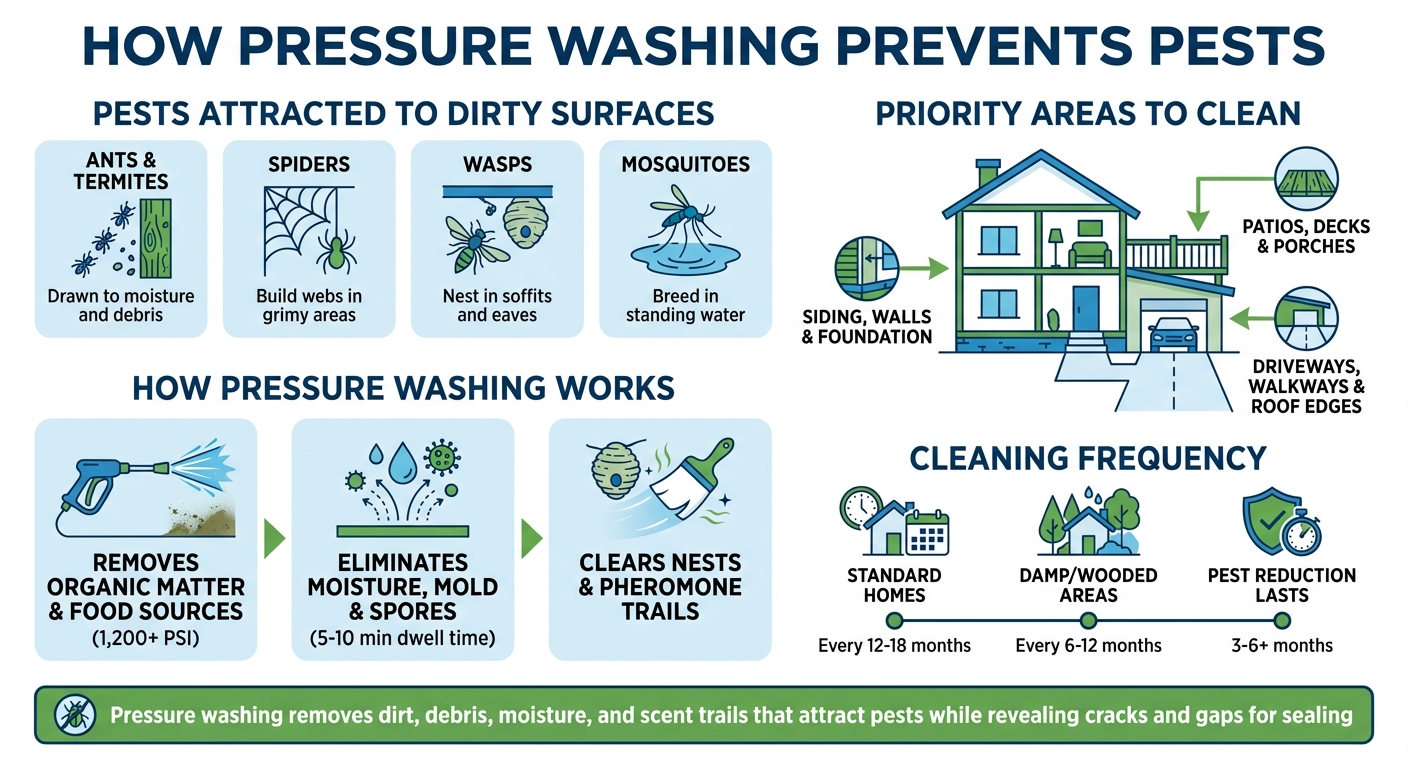
How Pressure Washing Prevents Pests: Key Areas and Benefits
Pressure Washer Vs Wasps Nest. What to do with the Zero Tip Attachment
sbb-itb-238bf3c
Pests That Are Drawn to Dirty Exterior Surfaces
When dirt and organic debris build up on your home's exterior, they become more than just an eyesore—though revitalizing your home’s exterior is a major benefit of cleaning - they act as a magnet for pests. These materials provide food, shelter, and moisture, creating the perfect environment for infestations. Areas like siding, foundations, and eaves often become hotspots for pests when grime accumulates.
High-traffic zones, such as eaves, soffits, and the spaces around windows and doors, are particularly vulnerable. These spots tend to collect cobwebs and leaf litter, which offer hiding places for pests. Decaying organic matter adds to the problem by supplying nesting materials and food sources.
Ants and Termites: Drawn to Moisture and Debris
Carpenter ants and termites are two of the most common pests attracted to dirty exterior surfaces, especially when moisture is involved. For carpenter ants, wood particles and decomposing leaves provide the materials they need to construct tunnel systems. Termites, on the other hand, are lured by the moisture trapped in grime and dirt on siding and foundations.
"Pressure washing removes dirt and grime that can harbor moisture, a key attractant for wood-destroying insects like termites." - AllGood Power Washing
Cracks in foundations or gaps hidden under layers of dirt make it even easier for these insects to invade your home.
Spiders and Wasps: Nesting in Grimy Areas
Dirty exteriors also attract pests like spiders and wasps, which use these areas for building nests. The grime on siding, eaves, and corners provides perfect anchoring points for spider webs. Spiders are further drawn to these spots because the debris attracts smaller insects, giving them a steady food supply. The rough texture of dirty surfaces also makes it easier for them to spin their webs compared to smooth, clean areas.
Wasps, meanwhile, prefer protected areas like soffits and eaves for constructing their nests. Residual pheromones left behind by previous colonies can even attract new ones to the same spots.
Mosquitoes: Breeding in Standing Water
Flat surfaces like patios and driveways often collect standing water, especially when clogged with debris. This creates ideal breeding grounds for mosquitoes. Even small amounts of stagnant water - like what might pool in a bottle cap - are enough for mosquitoes to lay their eggs. Clogged gutters and downspouts exacerbate the problem by providing additional moisture-rich environments where mosquitoes can thrive. The combination of organic debris and trapped water allows these pests to complete their life cycle right outside your home.
How Pressure Washing Removes Conditions That Attract Pests
Pressure washing is a practical solution for tackling the dirt and debris that often attract pests. By removing food sources, breeding grounds, and other favorable conditions, it disrupts the environments pests rely on to thrive. Here's how it works:
Clearing Away Dirt, Organic Matter, and Food Sources
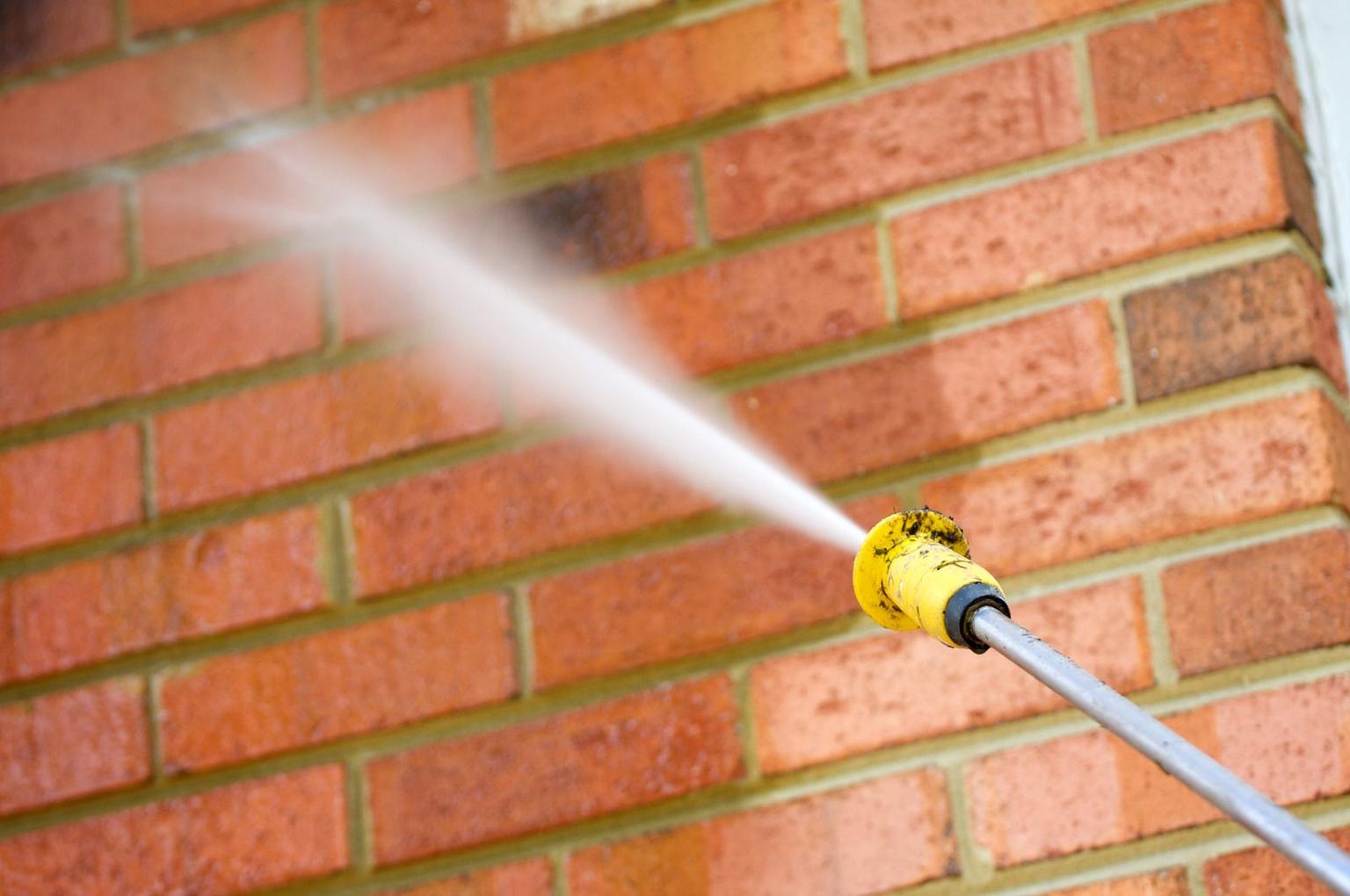
Using high-pressure water - often over 1,200 PSI - pressure washing effectively removes organic debris that pests use for shelter and sustenance. Grease, food spills, algae, moss, and mildew are thoroughly washed away, breaking the pest food chain at its roots.
"The removal of organic material and debris eliminates food sources and hiding places." - Johnson's Xtreme Softwash
A freshly cleaned surface doesn't just look better; it also smells less appealing to pests. Without the earthy odors from algae and decaying matter, your home becomes much less attractive to insects for months after cleaning. For surfaces like brick or stucco, soft washing - a method that combines low pressure with specialized cleaning agents - goes deeper, reaching into crevices to eliminate microscopic organisms. This approach also reduces moisture retention, cutting off another key resource pests require.
Removing Excess Moisture and Mold
Pressure washing helps surfaces dry faster by clearing away materials that trap moisture. This is particularly important because many pests thrive in damp conditions. The process also removes visible mold, while cleaning agents containing sodium hypochlorite kill spores to prevent mold from coming back.
"Properly executed pressure washing, followed by adequate drying time, can reduce moisture-holding materials that attract pests." - Johnson's Xtreme Softwash
Professional soft washing can significantly reduce pest activity for three to six months or even longer. To ensure complete mold and spore removal, cleaning solutions should remain on the surface for 5–10 minutes before rinsing. Besides controlling moisture, pressure washing disrupts pest habitats by clearing away their nests and scent trails.
Clearing Nests and Scent Trails
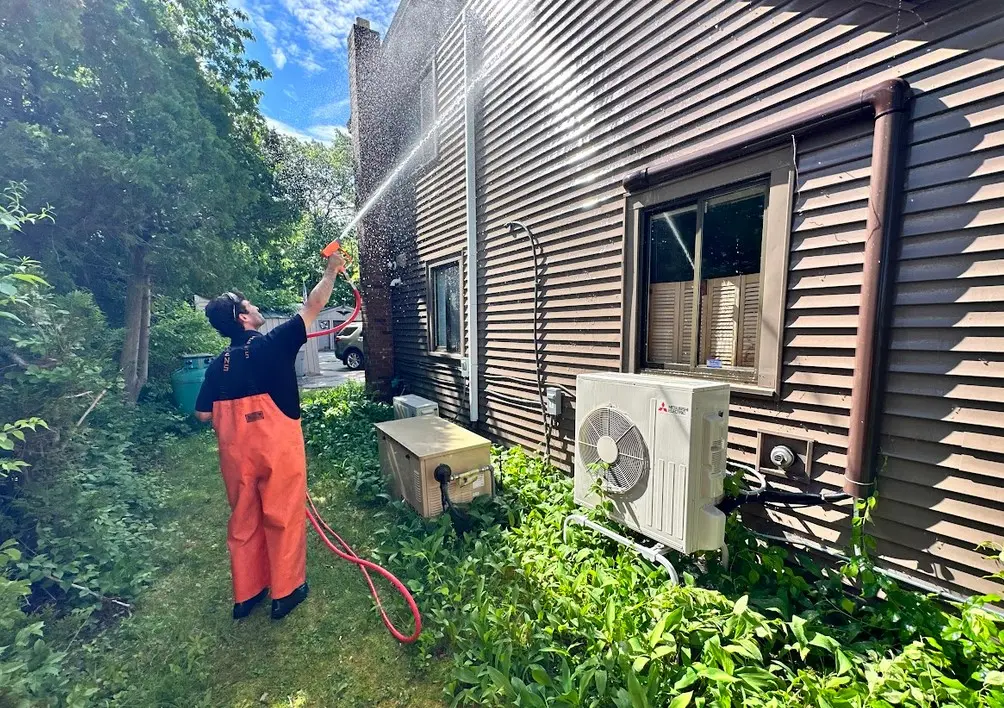
Pressure washing is highly effective at dismantling the physical structures pests rely on. Spider webs, egg sacs, and wasp nests are blasted away from hard-to-reach spots like eaves and siding peaks. Additionally, the process removes pheromone trails that ants use for navigation and colony recruitment.
"Washing disrupts these communication pathways." - Johnson's Xtreme Softwash
For wasps, pressure washing not only eliminates visible nests but also removes residual pheromones, making it less likely for new colonies to settle in the same area. Surfactants and soaps used during washing can even suffocate stinging insects by blocking their respiratory systems. Once the exterior is clean and dry, hidden cracks or gaps become easier to spot, giving you the chance to seal these entry points and keep pests out for good.
Where to Pressure Wash for Best Pest Prevention Results
Not every outdoor surface around your home is equally inviting to pests. Focusing on specific areas can make a big difference in keeping unwanted critters at bay. Below are the key spots where pressure washing can help protect your home from infestations:
Siding, Walls, and Foundation Areas
Your home’s siding and foundation often act as a haven for pests. These surfaces can harbor nests and debris, while the foundation area is particularly attractive to termites, earwigs, and springtails when organic material builds up. Pressure washing clears away dirt, nests, and other materials that pests use for shelter. Once cleaned, take a close look for any cracks or gaps and seal them to prevent pests from sneaking inside.
Patios, Decks, and Porches
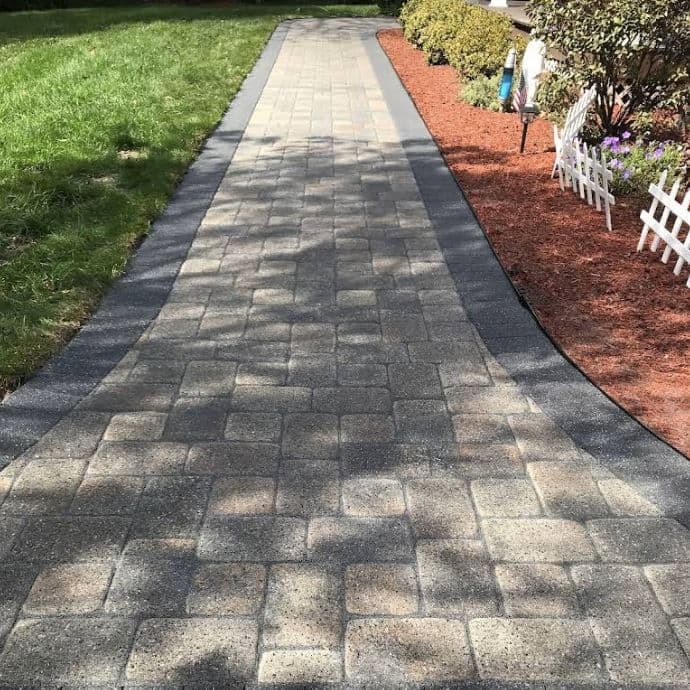
Outdoor spaces like patios and decks can collect food residue, algae, moss, and mildew - all of which attract pests. These substances not only provide food but also give off odors that can draw pests closer to your home. Pressure washing every 6–12 months helps remove these attractants and keeps these areas pest-free. While you're at it, don’t overlook driveways and roof edges, which can also play a role in pest prevention.
Driveways, Walkways, and Roof Edges
Driveways and walkways often serve as highways for ants, who rely on pheromone trails to find their way. A good pressure wash disrupts these trails, making it harder for ants to invade. Roof edges and eaves, on the other hand, are prime spots for wasp nests, spider webs, and old bird nests. To avoid stings, aim to clean these areas during the early morning or evening when wasps are less active. Tackling these spots ensures you’re addressing all the major pest hotspots around your home.
Benefits of Regular Pressure Washing for Pest Control
Stopping Pests from Coming Back
Pressure washing does more than just clean - it helps keep pests from making a comeback. By removing grime and organic debris, it eliminates the substances that attract pests in the first place. Without the earthy smells of algae and dirt or the lingering odors left by pests like stink bugs, your home becomes far less appealing to insects.
Routine pressure washing also disrupts pest colonies by flushing out hidden insects and their nests. Sticking to a cleaning schedule - every 12–18 months, or every 6–12 months in areas with high moisture - helps maintain this pest deterrence. Many homeowners notice a significant drop in pest activity for as long as 3–6 months after a thorough cleaning.
Timing your cleaning sessions strategically can boost their effectiveness. For instance, a spring cleaning removes overwintering pests before they can reproduce, while a fall cleaning clears away debris and webbing before pests start seeking shelter for the winter. This regular upkeep not only keeps pests at bay but also protects the structural integrity of your home.
Maintaining Property Value and Appearance
Pressure washing doesn’t just fight pests - it also keeps your home looking its best. By removing dirt, algae, and other contaminants, it helps protect your siding and paint from damage, which in turn preserves your property value. Plus, reducing the number of insects on your home’s exterior lowers the chances of them finding their way indoors.
Regular cleaning also reveals areas of wear and tear, encouraging timely repairs. This proactive approach can save you money in the long run by minimizing the need for extensive repairs or pest control treatments.
Combining Pressure Washing with Other Maintenance
For the best results, pressure washing should be part of a broader home maintenance plan. It reaches hidden areas that pests love, and when paired with timely repairs, it strengthens your home’s defenses. After cleaning, inspect for any newly visible cracks and seal them to block pest entry points. Coordinating pressure washing with landscaping tasks - like trimming overgrown vegetation - further reduces pest access pathways.
Once the washing is done, make sure to dry, repair, and seal surfaces promptly to keep pests out. This layered approach is far more effective than relying on a single method. Whether you tackle these tasks yourself or hire professionals like ViewCrew Services, combining regular cleaning with sealing, repairs, and landscaping offers the best protection against unwanted pests.
Conclusion
Pressure washing helps keep pests at bay by removing dirt, organic debris, moisture-retaining grime, nests, and pheromone trails - key factors that attract ants, termites, spiders, wasps, and mosquitoes. Beyond the improved appearance, a clean exterior also eliminates the earthy odors that many pests find appealing.
Regular cleaning not only discourages pests but also reveals areas that may need repairs, giving you a chance to seal potential entry points before they become a problem. When paired with timely repairs and seasonal upkeep - every 12–18 months, or every 6–12 months in damp climates - pressure washing becomes a crucial part of protecting your home.
"Invest in professional exterior cleaning - it's an effective step toward a cleaner, more pest-resistant home that looks its best year-round." - Johnson's Xtreme Softwash
For homeowners in Massachusetts, Southern New Hampshire, and Connecticut, ViewCrew Services offers professional pressure washing and exterior maintenance tailored to your property. Their experienced technicians use proper tools and techniques to safely remove pest attractants without harming your siding, deck, or roof.
Take action today - whether you tackle it yourself or call in the pros - to reduce pests, enhance curb appeal, and protect your home all year long.
FAQs
Can pressure washing replace pest control?
Pressure washing can help cut down on pests like spiders and insects by clearing away dirt, debris, and substances that might attract them. That said, it’s not a substitute for professional pest control, especially when dealing with serious infestations or stubborn pests like termites, bed bugs, or cockroaches. To effectively manage pests, pressure washing is most effective when used as a supporting step alongside dedicated pest control treatments.
What surfaces should I avoid pressure washing?
Some surfaces just aren’t built to handle the force of pressure washing. For instance, windows, delicate paint, and outdoor plants are better left untouched. The intense water pressure can lead to cracks, leaks, or even strip away paint, leaving you with costly repairs or damage.
Instead, focus on sturdier surfaces like concrete or brick, which can withstand the pressure and give you the best cleaning results without the risk of harm.
How do I keep pests away after washing?
Regular pressure washing of your home's exterior is a great way to clear away dirt, debris, and substances that can attract pests. By breaking up their habitats and eliminating conditions they find appealing, pressure washing helps make your home far less inviting to insects and other unwelcome critters. Staying consistent with this upkeep is crucial for keeping these pesky visitors away.