Driveway pressure washing is essential for protecting your property, especially in New England's harsh climate. Freeze-thaw cycles and road salt cause significant damage to driveways, leading to cracks, flaking, and reduced lifespan. Regular cleaning, particularly in spring, removes harmful residues and prevents long-term deterioration.
Key takeaways:
- Freeze-thaw damage: Water expands by 9% when frozen, worsening cracks.
- Salt issues: Sodium and calcium chloride draw moisture into surfaces, accelerating damage.
- Timing matters: Clean in April-May when temperatures are above 40°F.
- Material-specific care: Concrete requires higher PSI; asphalt needs gentler pressure.
- Post-cleaning protection: Sealing your driveway extends its life by repelling water and salt.
Hiring a professional ensures safe and effective cleaning tailored to your driveway material. For residents in the area, Newton pressure washing services provide expert care for all surface types. Regular maintenance can double your driveway’s lifespan, saving you thousands in repair or replacement costs.
Freeze-Thaw Cycles and Road Salt: The Main Threats to Your Driveway
How Freeze-Thaw Cycles Break Down Driveways
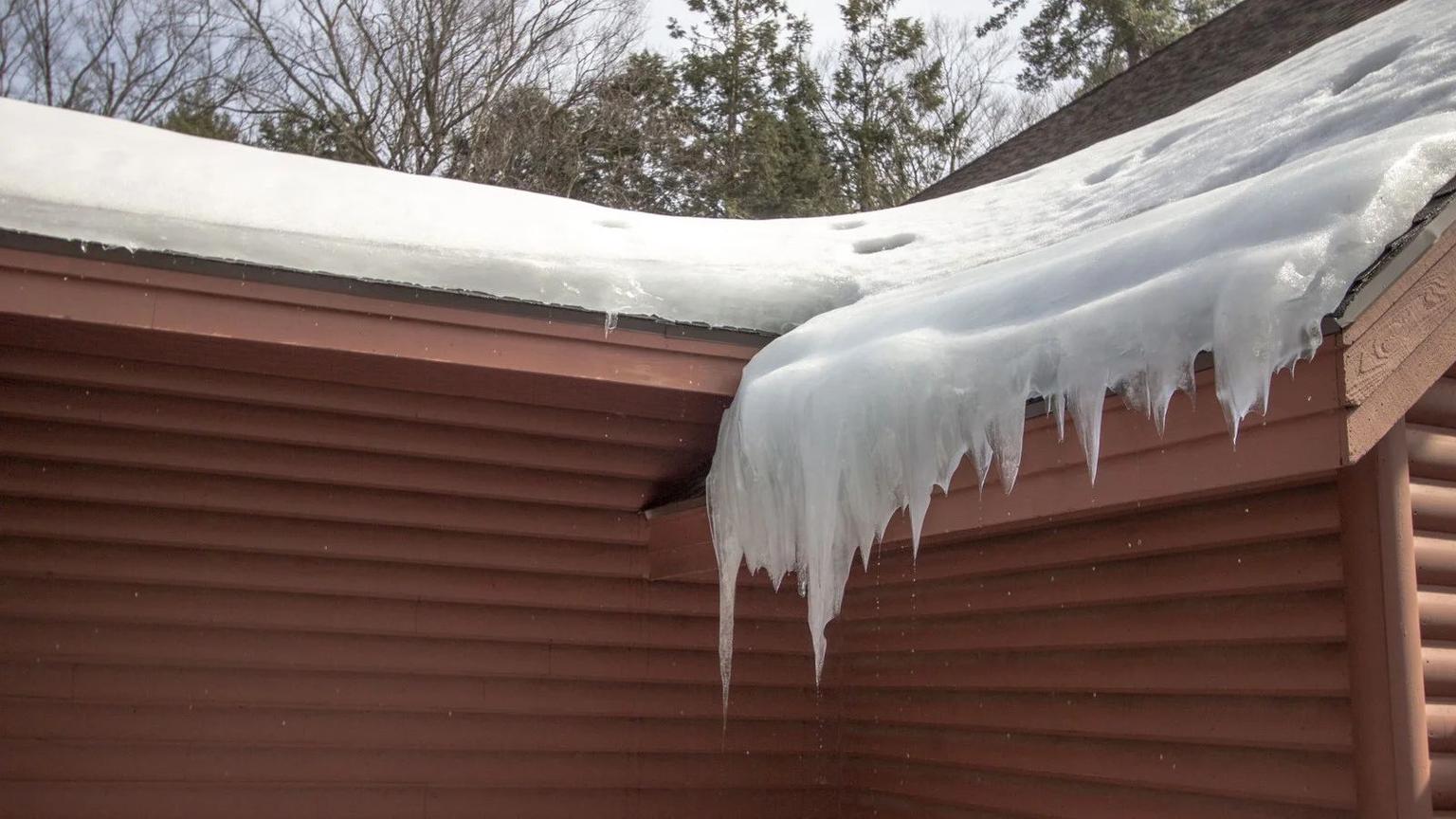
Freeze-thaw cycles wreak havoc on driveways by exploiting even the smallest surface flaws. When water seeps into these imperfections and freezes, it expands by about 9%. This expansion creates internal pressure, which worsens with each cycle. Over time, concrete starts to crack and pit, while asphalt becomes structurally weaker, leading to issues like alligator cracking or potholes.
Christian Evano, owner of Evano Asphalt, explains the impact of these cycles in regions like New England:
"New England has 30 to 50 freeze-thaw events per year. Water gets into small surface imperfections, freezes, expands, and stresses the material."
In ideal conditions, a well-maintained asphalt driveway in New England can last 20 to 30 years. However, neglecting routine maintenance can slash that lifespan to just 12 to 15 years.
Adding to the damage caused by freeze-thaw cycles, winter road salt significantly accelerates driveway deterioration.
How Road Salt Speeds Up Driveway Damage
In states like Massachusetts, Connecticut, and New Hampshire, sodium chloride and calcium chloride are commonly used to keep roads safe during winter. These salts are hygroscopic, meaning they pull moisture into your driveway's pores. This extra moisture intensifies freeze-thaw activity, causing deeper damage more quickly.
For concrete driveways, this often results in spalling - surface flaking and crumbling caused by salt crystals expanding and contracting as temperatures shift. You might also notice a white, powdery residue called efflorescence, a clear sign that salt has infiltrated the material. On asphalt, certain de-icers, like those with ammonium nitrate or ammonium sulfate, chemically attack the petroleum binders, breaking down the pavement.
Modern liquid brines, designed to stick to surfaces, make things worse. These brines are harder to remove and can cause more corrosion over time. A simple garden hose won’t cut it for cleaning; professional pressure washing services use specialized detergents to break the chemical bond between salt residue and the driveway surface. This deeper understanding of how salt interacts with driveway materials is why professional cleaning is so effective.
The Best Time of Year to Clean Your Driveway
To combat the damage from freeze-thaw cycles and salt buildup, spring is the best time for driveway cleaning. April through May offers the perfect window in New England to wash away winter’s salt, brine, and sand before summer heat embeds these materials deeper into the surface.
Timing is key. Avoid cleaning when overnight temperatures dip below 40°F, as water left in cracks could freeze and cause immediate damage. Aim for a period when daytime highs exceed 50°F and overnight lows stay above 40°F. Booking your cleaning 2–3 weeks in advance is a smart move to avoid the spring rush. Professional pressure washing services in Newton will account for these temperature guidelines to ensure the cleaning process is done safely and effectively.
sbb-itb-238bf3c
Concrete Driveways: What to Know Before Pressure Washing
Pressure Washing Risks for Concrete Surfaces
Concrete might look tough, but it's surprisingly vulnerable during pressure washing. Its porous nature means water, salt, and grime seep into the surface over time. Using too much pressure can push moisture deeper into cracks, speeding up freeze-thaw damage. This is especially risky for older or already-cracked concrete, where high pressure can lead to spalling (when the surface flakes off) or scaling (when deeper layers start peeling away).
The equipment you choose is just as important as the pressure setting. For example, a 0-degree (red) nozzle can permanently etch grooves into concrete, causing damage that’s hard to fix.
Being aware of these risks highlights why proper PSI settings and the right tools are so important.
PSI Guidelines and Equipment for Concrete
The pressure setting you use should match the condition of your concrete. For well-maintained surfaces, professionals typically use 2,500–3,000 PSI. For older or damaged concrete, lowering the pressure to 1,500–2,000 PSI helps prevent further harm.
Instead of a standard wand, experts often rely on a surface cleaner attachment, which evenly distributes pressure. This avoids the streaky "tiger stripe" marks that wands can leave behind. For tough stains like grease or oil, applying a degreaser pre-treatment 15–20 minutes before washing is far more effective than pressure alone. Petroleum-based stains need chemical breakdowns, not just water force.
Here’s a quick reference for PSI settings and nozzle choices based on your driveway’s condition:
| Surface Condition | Recommended PSI | Preferred Nozzle |
|---|---|---|
| Intact / Standard Concrete | 2,500 – 3,000 PSI | 25-degree (Green) |
| Older or Damaged Concrete | 1,500 – 2,000 PSI | 40-degree (White) |
| Heavy Buildup (Intact) | 3,000 – 4,000 PSI | 15-degree (Yellow) |
These are just starting points. Professionals will adjust based on your specific driveway to ensure safe and effective cleaning.
While these guidelines protect your concrete during washing, sealing the surface afterward is essential for long-term durability.
Why Sealing Concrete After Cleaning Helps
Pressure washing clears away grime and salt, but it also strips protective coatings, leaving your concrete exposed. Without a sealer, water and road salt can quickly penetrate the surface again, leading to damage.
For areas with harsh climates, penetrating silane/siloxane sealers are the go-to option. Unlike acrylic sealers that sit on the surface, penetrating sealers absorb into the pores, forming a water-resistant barrier from within. They don’t alter the surface’s appearance, won’t peel, and allow moisture vapor to escape - a critical feature in regions with high humidity and temperature swings.
"A penetrating concrete sealer is the single most important thing you can do for your driveway in New England. It prevents water from entering the concrete, which eliminates the freeze-thaw damage that causes most cracking." - Matt Davis, Managing Partner, Attack A Crack Foundation Repair
To get the best results, apply the sealer 24–48 hours after cleaning, once the surface is completely dry. Reapply every 2–3 years to keep your driveway protected. If you’re scheduling a driveway pressure washing service in the spring, it’s a smart idea to ask about sealing during the same visit. It’s an easy way to extend the life of your concrete.
How to Properly Pressure Wash a Concrete Driveway
Asphalt Driveways: Key Differences and Cleaning Considerations
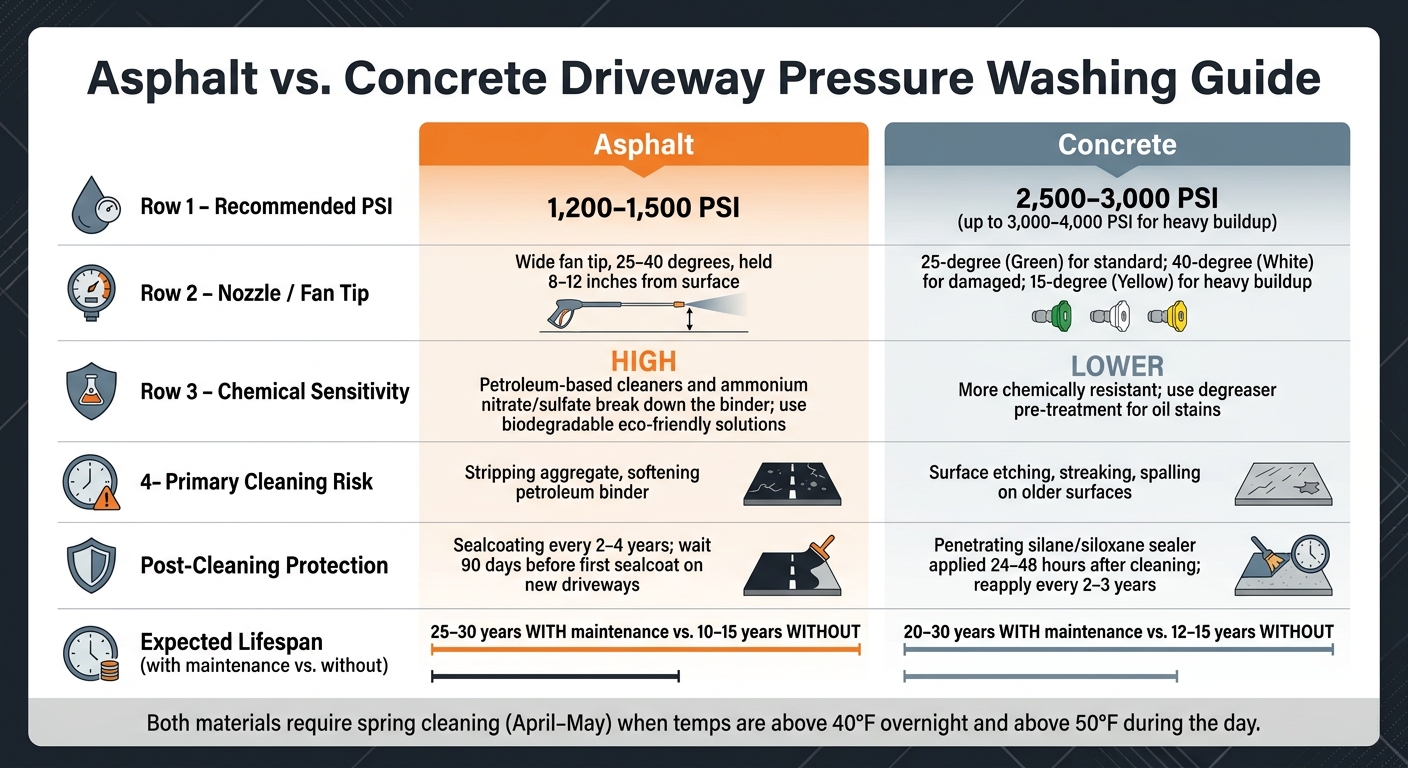
Asphalt vs. Concrete Driveway Pressure Washing: Key Differences
How Asphalt Responds to Pressure Washing
Asphalt and concrete may share the spotlight as driveway materials, but they behave very differently under pressure washing. Unlike concrete, which is rigid and cement-based, asphalt is flexible and relies on a petroleum-based binder to hold its aggregate together. This binder is chemically similar to oil, meaning harsh chemicals or high-pressure cleaning can soften the surface and cause damage.
"Asphalt driveways need a gentler approach... Using too much pressure can actually strip away the top layer of asphalt." - Buckhorn Power Wash
Excessive pressure can strip the asphalt's surface layer and dislodge the embedded aggregate. Over time, UV exposure dries out the binder, making older asphalt more brittle and prone to cracking or other damage. To clean asphalt safely, specific pressure settings and chemical guidelines are essential.
PSI Guidelines and Chemical Use for Asphalt
When cleaning asphalt, the pressure settings need to be much lower than those used for concrete. Professionals in Norton recommend using 1,200–1,500 PSI with a wide fan tip (25 to 40 degrees) held 8–12 inches from the surface. This approach helps clean effectively while preserving the binder.
The choice of cleaning chemicals matters just as much. Because asphalt's binder is petroleum-based, cleaners containing petroleum-based ingredients can degrade the surface. Similarly, concentrated bleach can cause damage if applied directly.
"Never use products containing ammonium nitrate or ammonium sulfate - these chemically attack asphalt binders." - Discount Asphalt Paving
For spot cleaning, biodegradable and eco-friendly solutions are the safest bet. Professionals will select the best product based on the condition of your driveway.
Here’s a quick comparison of asphalt and concrete cleaning needs:
| Factor | Asphalt | Concrete |
|---|---|---|
| Recommended PSI | 1,200–1,500 PSI | 2,500–3,000 PSI |
| Chemical Sensitivity | High – petroleum-based cleaners can break down the binder | Lower – typically more resistant |
| Primary Cleaning Risk | Stripping aggregate, softening binder | Surface etching, streaking |
Caring for Asphalt After Cleaning
Once cleaned, asphalt driveways require preventive maintenance to maximize their lifespan. Begin by inspecting for cracks, as even small ones can worsen with freeze-thaw cycles when water expands inside them. Address cracks immediately with filler, and apply sealcoating every 2–4 years to guard against moisture, UV damage, and road salt.
Regular maintenance is a smart investment. Sealcoating and crack filling are far less expensive than replacing an entire driveway. If your asphalt is new, wait at least 90 days before applying the first sealcoat.
With consistent care, an asphalt driveway can last 25–30 years. Neglecting maintenance, however, can cut that lifespan down to just 10–15 years.
How Professionals Handle Driveway Pressure Washing
Steps in a Professional Driveway Cleaning
When professionals clean a driveway, they follow a precise process to ensure effective results while protecting the surface. It starts with an on-site inspection to evaluate the material and its condition. This helps determine the best cleaning approach, ensuring the driveway is cleaned without causing damage.
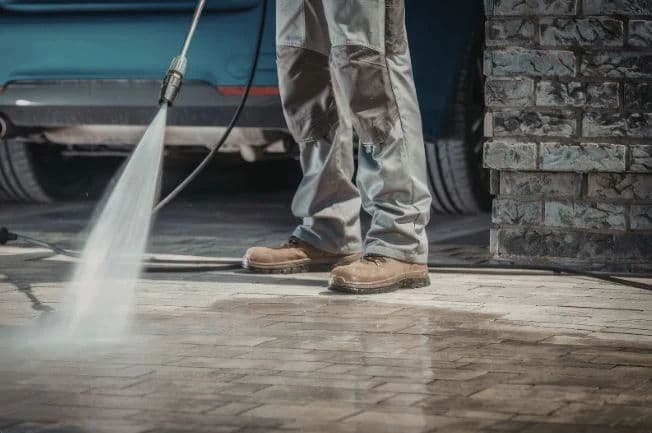
Before any cleaning begins, the crew preps the area. This includes moving vehicles, pre-wetting nearby landscaping, and shielding sensitive plants with breathable covers to protect them from cleaning solutions. Next, they apply cleaning solutions, allowing them to sit for several minutes. This dwell time is critical for breaking down tough contaminants like salt, oil, and organic buildup.
The actual washing process uses tailored pressure settings and nozzle types based on the driveway material. For instance:
- Concrete is often cleaned with a rotating surface cleaner for even and efficient results.
- Asphalt, being softer, requires a wide fan tip and lower PSI to avoid damage.
Afterward, the driveway is rinsed thoroughly, and the job concludes with a final walkthrough alongside the homeowner to ensure everything meets expectations.
"By letting the solution do the work, we reduce stress on the surface, avoid unnecessary wear, and eliminate the added cost and risks that often come with hot water and high-pressure methods." - C&M Services, Inc.
This careful process highlights why it’s important to choose a service that understands the nuances of driveway cleaning.
Questions to Ask Before Hiring a Pressure Washing Service
Knowing the steps professionals take can help you ask the right questions when hiring a pressure washing service. Here are a few key points to cover:
- How do they adjust pressure and cleaning methods for different driveway materials? A contractor who uses the same PSI for every job may lack the expertise to handle delicate surfaces properly.
- Do they address road salt removal? In regions like Salem, Massachusetts, New Hampshire, and Connecticut, road salts such as sodium chloride and calcium chloride can bond to the surface. A simple rinse won’t cut it - ask if their cleaning solutions are designed to neutralize these residues.
- What about sealing options? In colder areas, using silane/siloxane sealers after cleaning is a smart move. These sealers repel water while allowing the surface to breathe, helping to prevent freeze-thaw damage. If sealing isn’t mentioned, bring it up.
Additionally, confirm that the contractor:
- Carries liability insurance.
- Provides an itemized estimate covering labor, cleaning solutions, and equipment.
- Conducts a final walkthrough to ensure satisfaction.
Common Driveway Cleaning Mistakes Professionals See
Professionals often encounter damage caused by improper cleaning techniques. For example, using excessive pressure on worn surfaces like cracked concrete or soft asphalt can make existing flaws worse by forcing water deeper into the material.
Another mistake is cleaning in freezing temperatures - if the temperature dips below 40°F, water can freeze in cracks, leading to further damage.
Material-specific pressure guidelines are also crucial. Concrete can handle higher PSI with the right attachments, while asphalt requires a gentler approach. Using the same pressure setting for all surfaces is a red flag for inexperience.
Lastly, skipping essential steps like salt neutralization and sealing can leave your driveway vulnerable. Without neutralizing salts, harmful residues remain, and without sealing, the freshly cleaned surface stays porous, increasing the risk of future damage from freeze-thaw cycles.
Keeping Your Driveway in Good Shape Between Cleanings
Simple Maintenance Steps for Homeowners
Professional cleaning can work wonders for your driveway, but keeping it in good condition between cleanings is just as important - especially in New England, where freeze-thaw cycles and road salt can take a toll.
- Sweep frequently: Leaves and pine needles can release tannins that leave permanent stains on porous surfaces. A weekly sweep during the fall can help prevent this.
- Address spills immediately: Oil or fuel spills can damage the asphalt binder. Use a degreaser as soon as possible to treat them.
- Use the right tools in winter: Swap out metal shovels or ice chippers for plastic or rubber-edged tools to avoid damaging your driveway. If you need a de-icer, opt for sand or calcium magnesium acetate (CMA), which are less harsh than traditional rock salt.
- Inspect after winter: Once the snow and ice have cleared, check for cracks, crumbling edges, or areas where water pools. Cracks wider than 1/8 inch should be repaired quickly to prevent further deterioration. For concrete driveways, flexible polyurethane caulk works well for cracks up to 1/4 inch, as it can handle temperature changes better than rigid fillers.
Signs It's Time to Schedule a Professional Cleaning
Sometimes, regular maintenance isn't enough to keep your driveway in top shape. Here are some telltale signs that it’s time to bring in professional pressure washing services:
| Sign | What It Means |
|---|---|
| White powdery residue | Indicates salt or brine deposits that draw moisture into the surface |
| Persistent dark or "damp" spots | Suggests moisture has already penetrated the surface |
| Web-like cracking | Could signal base failure, which is more than just a surface issue |
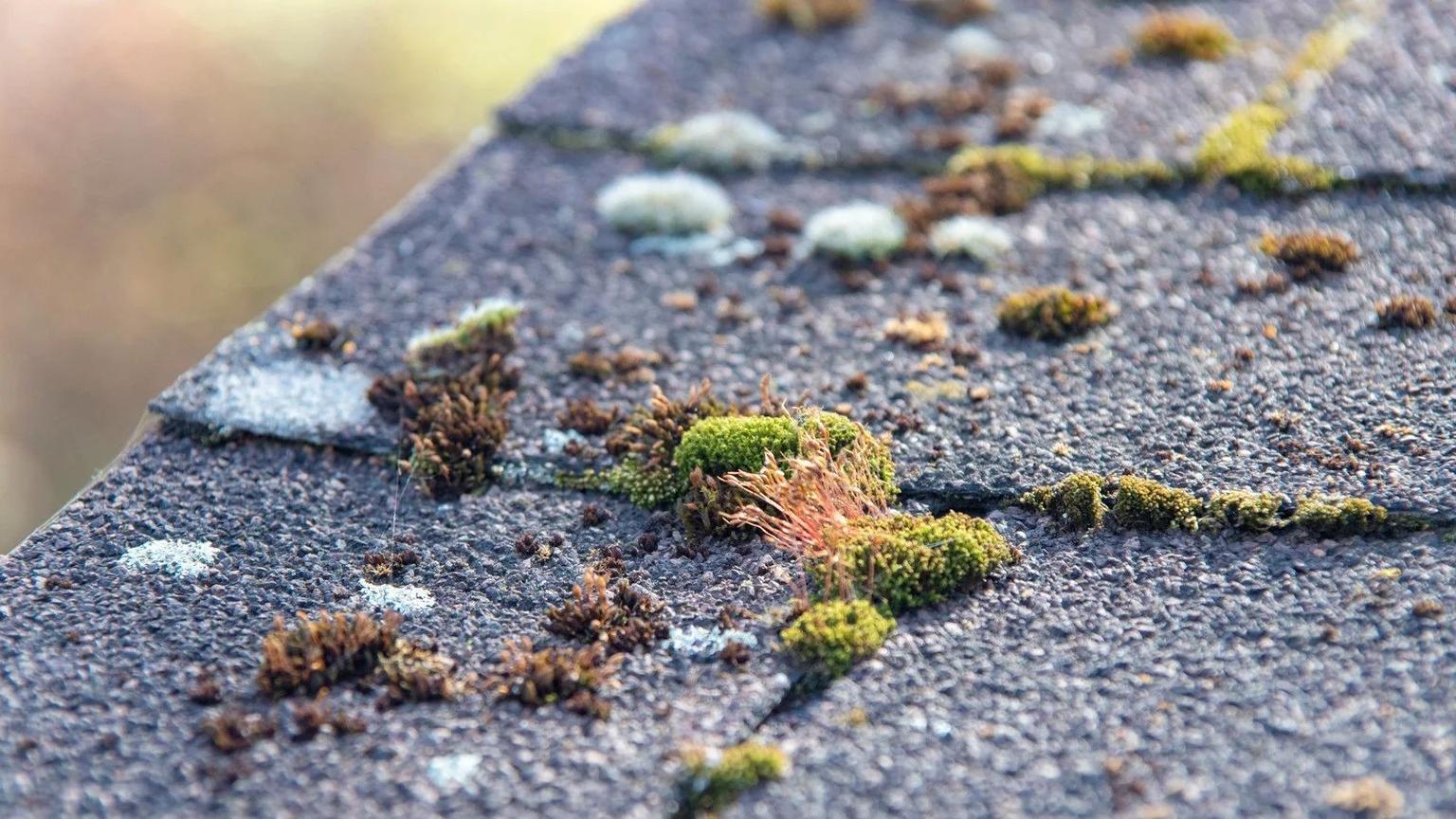
| Algae, moss, or organic buildup | Traps moisture against the surface, leading to long-term damage |
| Widespread discoloration or tire marks | Points to deep-set contamination that regular cleaning can’t fix |
"That white residue on your driveway or siding is not just unsightly. It is actively working against your property's structural integrity." - Benjamin's Power Washing
If you spot these issues as spring approaches, it’s a good idea to schedule a cleaning in April or May. Removing road salt before summer heat sets in can prevent it from sinking deeper into the surface.
Other Exterior Cleaning Services Worth Scheduling at the Same Time
While you're tackling your driveway, consider bundling other services to address multiple problem areas at once. For example, patio and deck cleaning can be a smart addition. These surfaces often face similar winter grime, salt buildup, and organic growth. Bundling services not only saves time but could also reduce costs by 15–20% compared to booking them separately.
This is also an ideal time to apply a sealer to your concrete driveway. Sealing right after cleaning ensures the best bond and adds an extra layer of protection. As Matt Davis, Managing Partner at Attack A Crack, puts it:
"A penetrating concrete sealer is the single most important thing you can do for your driveway in New England."
Conclusion: Protecting Your Driveway with Professional Pressure Washing
Driveways in New England face tough winters, with 40–80 freeze-thaw cycles each year and heavy exposure to road salt. These conditions can lead to higher maintenance costs over time. Investing in regular professional cleaning, which typically costs between $1,200 and $1,800 over a decade, is far more economical than a full driveway replacement, which can range from $8,000 to $15,000. Without proper care, an asphalt driveway in Massachusetts or Connecticut might only last 12 to 15 years, compared to 20 to 30 years with consistent maintenance. Cleaning isn't just about looks - it's a smart way to protect your investment.
"Water is the real enemy. It seeps into small surface cracks, freezes and expands in January, then thaws in March - and every cycle pries the pavement a little further apart." - Discount Asphalt Paving
Timing and technique are crucial. Scheduling a spring cleaning in late April or May helps remove winter salt and debris before summer heat worsens the damage. Professional pressure washing services use equipment and methods tailored to your driveway material - such as higher pressure for concrete or gentler settings for asphalt - ensuring effective cleaning without causing harm.
If you're in Massachusetts, Southern New Hampshire, or Connecticut and notice signs of salt or freeze-thaw damage, consider reaching out to ViewCrew Services. Their driveway pressure washing is designed to address the unique challenges of New England's climate. A quick search for "pressure washing near me" can connect you with experts who understand how to care for your driveway and help you avoid expensive repairs.
Proper maintenance doesn’t stop at your driveway. Keeping your entire exterior in good shape can extend your property’s overall lifespan. Check out patio and deck cleaning services to ensure all your outdoor spaces stay in top condition.
FAQs
How often should I pressure wash my driveway in New England?
In New England, the best time to pressure wash your driveway is once a year, preferably during spring (April–May). This is when daytime temperatures reliably stay above 50°F, and overnight lows remain above 40°F. Spring cleaning is crucial for removing road salt and winter grime, which can accelerate freeze-thaw damage. Some homeowners also choose to do a second cleaning in late summer or fall to address algae buildup or leaf stains.
Will pressure washing make existing cracks worse?
Improper pressure washing can actually make driveway cracks worse. For concrete surfaces, using pressure over 3,000 PSI can force water into existing cracks. When temperatures drop, that trapped water freezes and expands, worsening the damage - especially in regions like New England with frequent freeze-thaw cycles. On asphalt, high-pressure washing can strip away the essential binders that hold the surface together, leaving it weaker and more prone to further damage.
Professional power washing services take these risks into account. They carefully adjust the pressure settings and cleaning methods based on the material and condition of your driveway, ensuring the cleaning process doesn’t make cracks worse.
Should I seal my driveway after it’s cleaned?
Sealing your driveway after a professional cleaning is a smart move to keep it in good shape. The type of sealer you need depends on the material of your driveway:
- Concrete: Use a penetrating silane or siloxane sealer. These help repel water and protect against freeze-thaw cycles, which can cause cracking over time.
- Asphalt: Apply sealcoating every 2–4 years. This helps maintain the surface's flexibility and shields it from water and oxidation damage. Just make sure not to seal over any existing cracks - those should be repaired first.