Green algae on siding usually means your wall stays wet too long. In most cases, the first places to check are shade, humidity, clogged gutters, sprinkler spray, roof runoff, and plants growing too close to the house.
Here's the short answer:
- Moisture is the main cause
- Shade slows drying, especially on north-facing walls
- Dust, pollen, and leaf bits help algae stick
- Sprinklers, splashback, and gutter overflow keep siding damp
- Low-pressure house washing works better than hard scrubbing
- If you don't fix the moisture source, algae often comes back
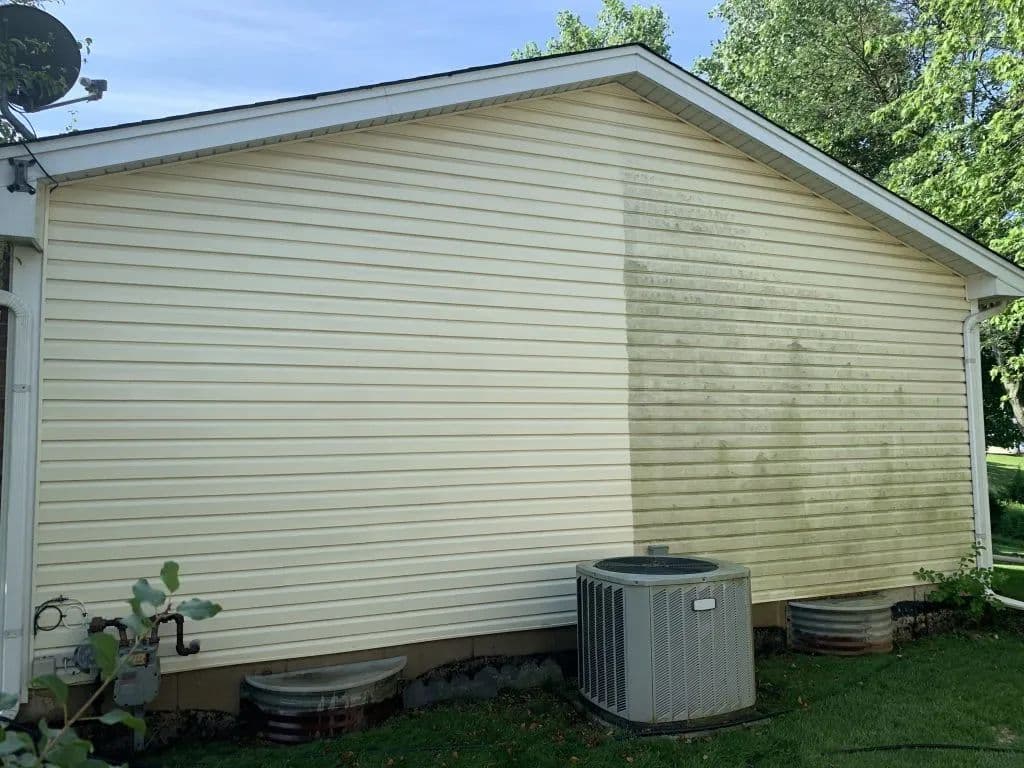
Before cleaning, make sure it's actually algae. Green algae often looks like a green film or streak, and it may smear when wet. Dirt usually rinses off. Mildew often looks gray or white and feels more dry or powdery.
A few spots tend to show algae first:
- North-facing walls
- Areas behind shrubs and trees
- Lower siding near mulch or soil
- Sections hit by irrigation overspray
- Walls under deep eaves or near poor drainage
The fix is simple in theory: clean the siding safely, then keep it drier. That can mean trimming plants back 12 to 24 inches — or up to about 3 feet in tighter, damp spots — adjusting sprinklers, and keeping gutters clear so water stops sitting on the wall.
If algae covers a big area, keeps coming back, or shows up with mold or mildew, treating it like a small stain is the wrong approach. At that point, a full soft wash is often the better move.
This gives you the main answer up front, so you can check the wet areas first and avoid cleaning the wrong thing.
How To Remove Green Algae From Siding
sbb-itb-238bf3c
What Causes Green Algae to Grow on Home Siding
Once you know the stain is algae, the next step is pretty simple: figure out why the siding stays wet long enough for it to spread.
When Moisture Stays on Siding Too Long
Green algae tends to show up when water hangs around instead of drying off.
The most common causes are clogged gutters, splashback from soil and mulch, sprinkler overspray, and poor airflow near shrubs, fences, or nearby structures. Each one keeps moisture pressed against the siding instead of letting it drain away or dry out.
Add shade to that mix, and algae spreads faster.
How Shade and Humidity Support Algae Growth
Sunlight helps dry siding. So walls that get less direct sun - especially north-facing walls and sections under deep eaves - often stay damp after rain or morning dew.
Humidity slows that drying process even more, especially in spots where air doesn’t move well. That gives algae spores time to settle and grow.
And once dust and pollen start to build up, the surface becomes even easier for algae to stick to.
How Organic Debris Helps Algae Take Hold
Pollen, dust, tree sugars, and leaf particles give algae something to cling to. That layer works almost like a sponge, holding moisture against the siding and giving algae a food source.
Rough siding tends to trap this debris more easily than smooth siding, which is why it may show algae sooner. And here’s the tricky part: a wall can look clean at a glance but still have enough grime on it to support algae once the moisture conditions line up.
Where Green Algae Shows Up First on a Home
Green algae usually doesn't spread across a house all at once. It tends to show up first in damp pockets where siding stays wet longer than the rest of the wall. If you're trying to spot it early, the first signs usually appear in the same few places.
North-Facing Walls and Other Low-Sun Areas
The north side of a house is often the first place algae shows up. In the U.S., the sun moves across the southern part of the sky, so north-facing walls spend much of the day in shade. After rain or morning dew, those surfaces can stay damp for hours.
You’ll often see the same thing in narrow side yards, on walls under deep eaves, and on siding shaded by trees or nearby buildings.
And if the shade is coming from plants instead of the house itself, the result is pretty much the same.
Areas Behind Shrubs, Trees, and Dense Landscaping
Shrubs and trees planted too close to the house can block sunlight, cut down airflow, and hold moisture against the siding. On top of that, fallen leaves and other plant debris can sit on the surface, hold water, and give algae a place to start.
Keeping plants at least 3 feet away from the siding helps open up that damp zone and lets air and sunlight reach the wall.
Sections Hit by Sprinkler Spray or Repeated Splashback
Sprinkler overspray and splashback from soil or mulch can keep the lower part of siding wet day after day. That’s why these lower strips are often among the first spots where algae starts to grow.
These are smart places to check before washing the siding. Once you know where algae tends to begin, you can clean those areas more carefully and avoid harming the siding.
How to Clean Siding Without Causing Damage
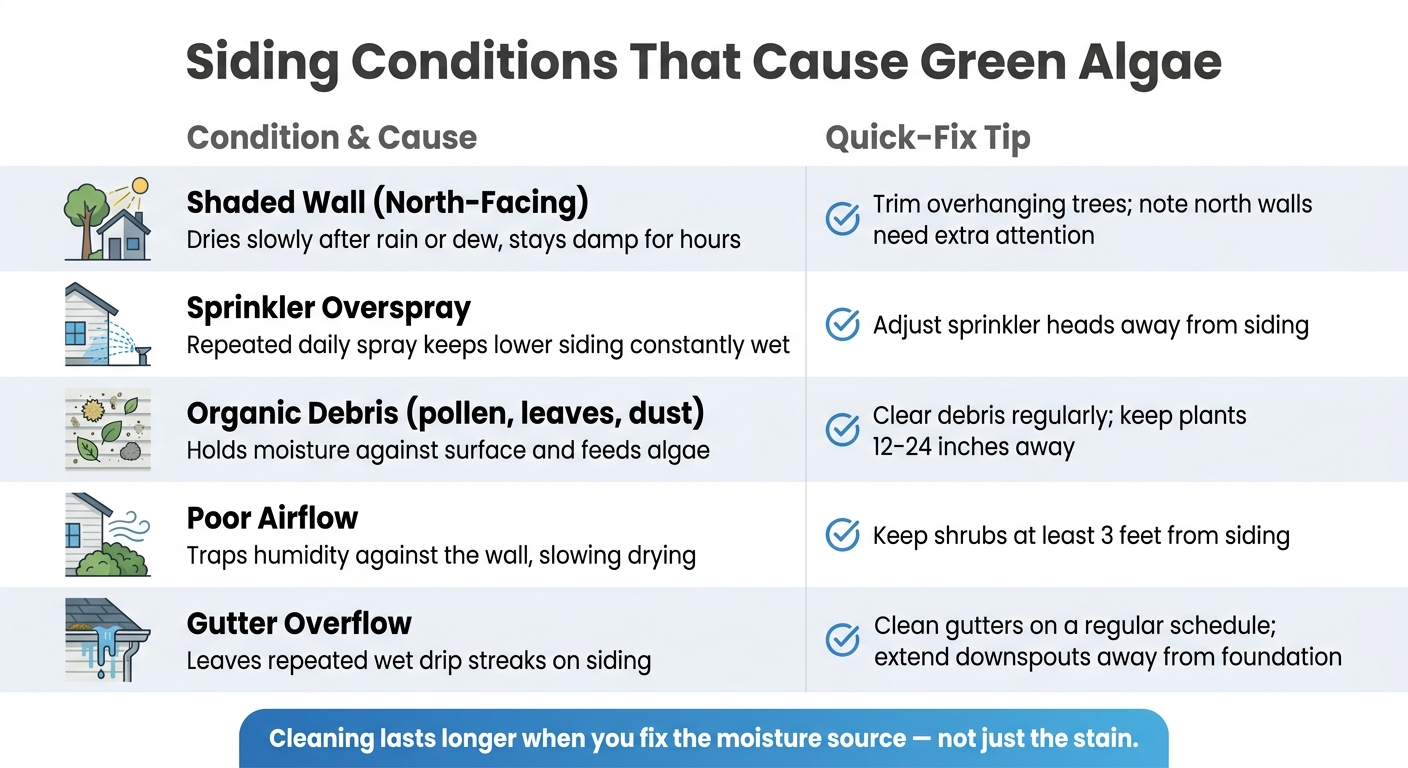
Siding Conditions That Cause Green Algae (And How to Fix Them)
Algae tends to show up where moisture hangs around. So if you want cleaning to last, you need to remove both the stain you can see and the film feeding it.
Why House Washing Works Better Than Spot Scrubbing
When algae shows up, clean the whole affected section, not just the dark patch.
Spot scrubbing often misses the buildup around the stain. That’s the main problem. The mark may fade for a bit, but the surrounding film is still there.
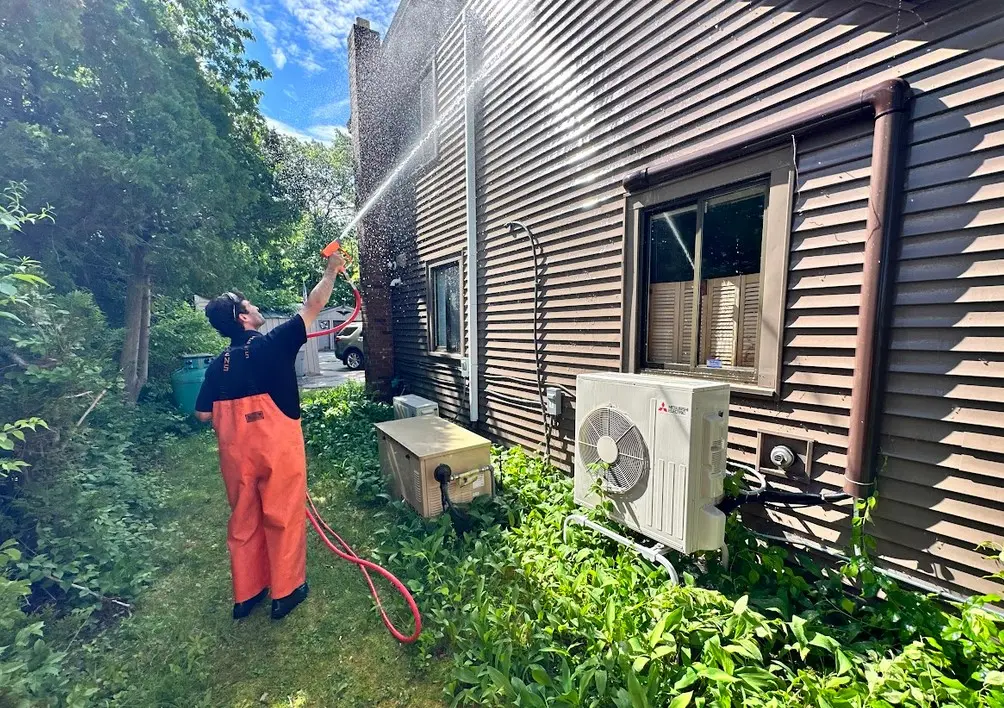
A house wash deals with the full siding surface, not just the part that looks dirty. It uses a low-pressure application with detergent, then gives that detergent time to sit and break down the film before rinsing.
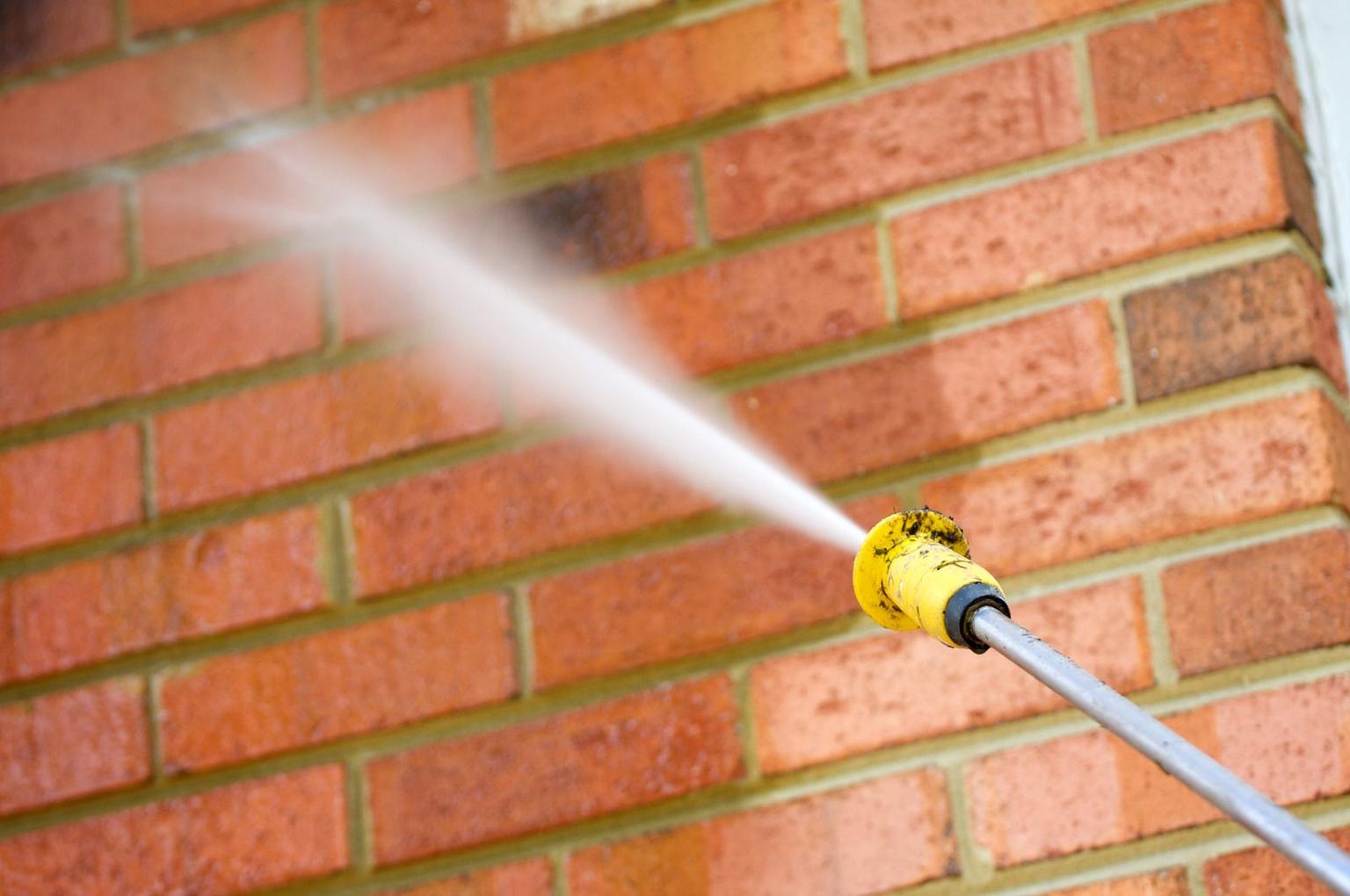
High pressure is where things can go sideways. It can crack siding and push water behind the panels. For stubborn spots, use a soft brush. Rinse from the top down at a downward angle. And if you have a choice, go with oxygen-based bleach instead of chlorine bleach to help protect the finish and nearby plants.
The same things that help algae spread also shape where it comes back first.
Siding Conditions That Lead to Algae Growth
Some siding setups make algae much harder to keep under control.
| Siding Condition | How It Encourages Algae |
|---|---|
| Shaded Wall (North-Facing) | Dries slowly after rain or dew. |
| Sprinkler Overspray | Stays wet from repeated spray. |
| Organic Debris | Holds moisture and helps algae stick. |
| Poor Airflow | Traps humidity against the wall. |
| Gutter Overflow | Leaves repeated wet streaks. |
Cleaning tends to last longer when you also deal with the wet conditions that caused the algae in the first place.
How to Stop Green Algae From Coming Back
Once the siding is clean, the next job is keeping moisture off the surface for as long as you can. Cleaning gets rid of the algae you see. But it usually comes back if the siding stays wet, shaded, and covered with debris.
Simple Maintenance Steps That Reduce Future Growth
A few small habits can slow algae growth a lot.
Start with water sources. If sprinkler heads are spraying the siding, adjust them. If downspouts dump water too close to the house, extend them so water drains away from the foundation. And clean the gutters on a regular schedule so overflow doesn't leave damp drip marks on the siding.
Then look at your landscaping. Shrubs and tree branches should stay at least 12–24 inches away from the siding. When plants press too close, they hold moisture in place and block sunlight and airflow, which makes it harder for the surface to dry.
It also helps to clear off organic debris. Pollen and dust can build up on siding and give algae a food source. If you remove that layer before damp conditions set in, algae has less to feed on.
If algae keeps coming back fast, surface dirt usually isn't the main issue.
When to Call a Professional for Exterior Cleaning
When growth sticks around, the siding often needs a full exterior wash instead of a quick spot clean. If algae covers large areas, keeps returning, or shows up with black mold or mildew, it's time to call a professional.
Professional soft washing uses low pressure and cleaning solutions to treat algae at the source instead of only removing the stain. For multi-story homes, there's another big plus: you avoid the fall risk that comes with cleaning upper levels yourself.
FAQs
Is it algae or mold?
Homeowners often lump these together, but algae, mildew, and mold aren’t the same thing. They look different, and that matters when you’re trying to figure out what’s growing on a surface.
- Green algae: a smooth, slimy film or bright green streaks that smear when wet
- Mildew: gray or white growth with a powdery or fuzzy look
- Mold: dark green, black, or brown spots that can seem embedded in the surface
Can algae damage my siding?
Yes. Algae may look like a surface-level issue, but it can slowly wear down your siding and shorten the life of its protective finish.
As time passes, that wear can let moisture slip into seams and behind panels. And once water gets in, you may end up dealing with mold and more costly maintenance issues if the siding isn’t cleaned and cared for the right way.
How often should siding be washed?
Wash siding at least once a year to help stop algae from settling in. If your home has shaded, north-facing walls or poor drainage, you may need to clean it more often.
It’s smart to clean siding as soon as you spot a light haze or dull look, instead of waiting until stains are easy to see. A professional soft wash can stay effective for 12 to 18 months.