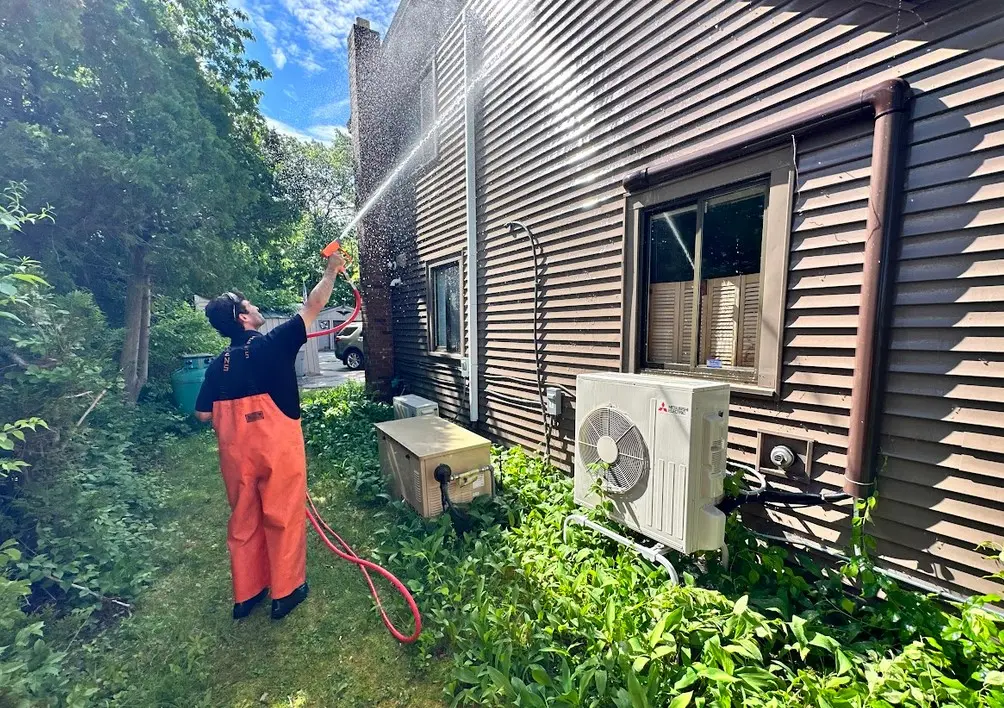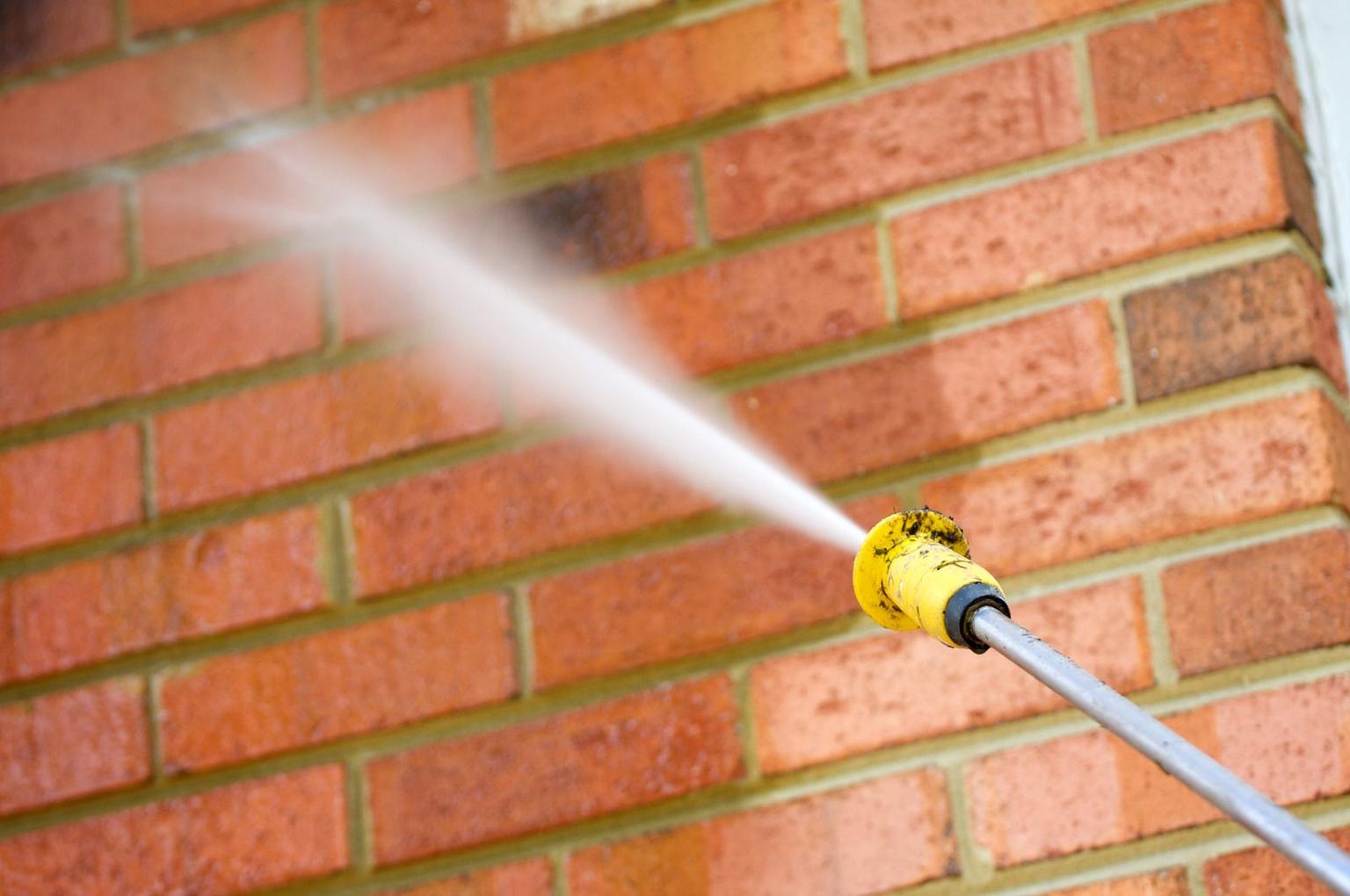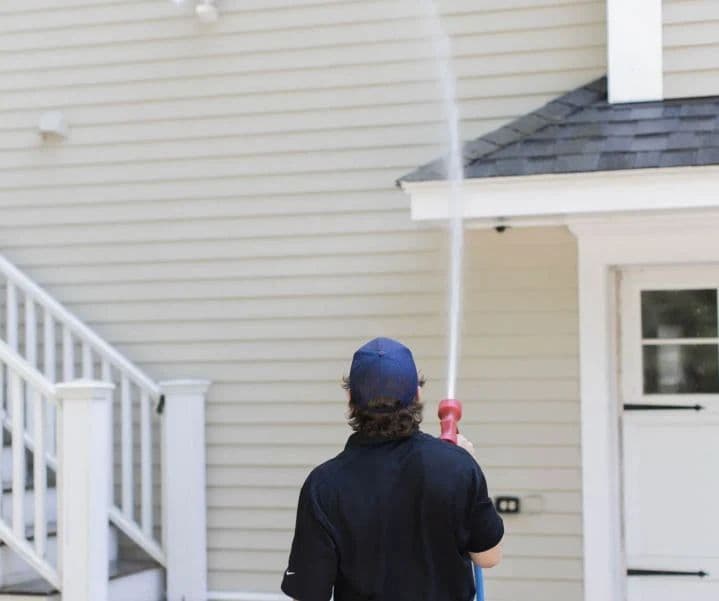
A soft-washed house usually stays clean for 1 to 3 years, but your results can last as little as 12 months or as long as 3 to 5 years.
Your timeline mostly depends on sun, shade, moisture, trees, and siding type. In dry, sunny spots, soft washing lasts longer because mold, mildew, and algae have a harder time coming back. In shaded, damp areas, regrowth often shows up much sooner.
Here’s the short answer:
- Most homes: 1 to 3 years
- Sunny, dry homes: 3 to 5 years
- Shaded, humid, tree-covered homes: 12 to 24 months
- Pressure washing by comparison: often 6 to 12 months
Soft washing lasts longer because it does more than rinse off stains. It uses low pressure (about 100 to 500 PSI) and treatment solutions to kill mold, algae, mildew, moss, and lichen before they grow back.
You can also expect different results by surface:
- Vinyl siding: often 2 to 4 years
- Brick: often 3 to 5 years
- Stucco or painted wood: often needs cleaning sooner
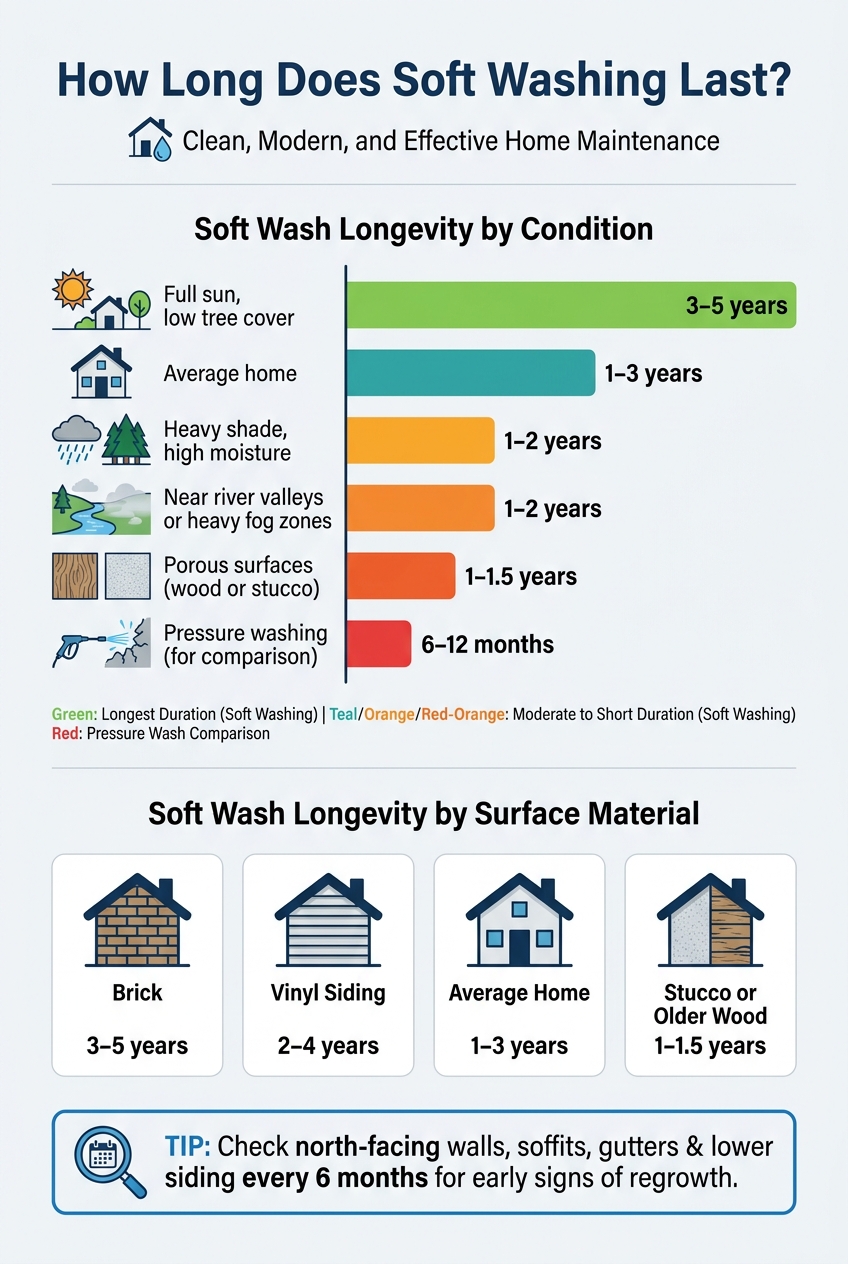
How Long Does Soft Washing Last? Results by Condition & Surface
How long do surfaces stay clean after soft washing?
sbb-itb-238bf3c
Quick Comparison
| Condition or Surface | Typical Time Before Regrowth |
|---|---|
| Average home | 1–3 years |
| Full sun, low tree cover | 3–5 years |
| Heavy shade, high moisture | 1–2 years |
| Stucco or older wood | 1–1.5 years |
| Vinyl siding | 2–4 years |
| Brick | 3–5 years |
| Pressure washing | 6–12 months |
You should also watch for early signs that your house is ready for another cleaning, such as green film, dark streaks, gray mildew, musty smells, or buildup on north-facing walls, soffits, gutters, and lower siding.
To help the clean last longer, keep gutters clear, trim back branches, stop sprinklers from hitting the house, and check damp spots every 6 months.
That gives you the full picture up front, and the rest of the article explains what moves your home toward the short end or long end of that range.
Factors that affect how long soft washing results last
Soft washing tends to last longer on homes that get plenty of sun and stay dry. On damp, shaded homes, that usual 1- to 3-year range can shrink pretty fast once moisture and exposure start working against you.
Climate, moisture, and shade
Weather plays a big part. High humidity, frequent rain, coastal fog, and salt air all speed up regrowth. In those settings, many homes need cleaning every 12 to 18 months.
Shade makes that worse. North-facing walls and heavily shaded areas dry more slowly because they get less direct sun. Sunny sides of the house usually stay clean longer. Shaded north-facing walls tend to show regrowth sooner.
Trees, drainage, and surface material
Trees can be a constant headache. Overhanging branches drop spores, sap, leaves, and pine needles onto siding. They also block sunlight and reduce airflow, which gives algae and mildew more of a chance to come back.
Drainage issues add another layer. Clogged gutters, overspraying irrigation, and low spots that keep siding wet can leave parts of the home damp for long stretches. When runoff or overspray keeps a wall wet, mildew and algae can take hold fast.
The siding material matters too:
- Smooth vinyl tends to shed mold, mildew, and algae more easily.
- Stucco, brick, and wood hold moisture and trap spores, so regrowth often shows up sooner under the same conditions.
How existing buildup affects results over time
Heavy staining and well-established growth are harder to remove, and they often come back faster in the same shaded spots. The reason is pretty simple: those areas usually have the least sunlight and the poorest airflow, and a wash doesn't change those conditions.
So if one side of the house keeps having the same issue, shorter cleaning intervals are common.
In plain terms, these are the things that can push a home toward a 12-month cleaning cycle instead of a multi-year one.
When soft washing lasts about a year versus 2 to 3 years or more
Some homes look clean for about a year. Others stay that way for 2 to 3 years, and in some cases even longer. What changes the timeline? It usually comes down to sun, moisture, shade, nearby trees, and the type of surface on the house.
Here’s how that tends to play out on actual homes.
Conditions where results may last around 12 months
Homes with heavy tree cover, north-facing walls, or locations near lakes, rivers, or coastal fog zones often need another cleaning sooner. Those spots stay damp longer, which gives algae, mildew, and other buildup a better chance to come back.
You’ll often see faster regrowth on porous surfaces like older wood siding or stucco. Those materials hold moisture and spores more easily, so visible buildup can return within 1 to 1.5 years.
These are the conditions that most often lead to the earliest return of visible buildup.
Conditions where results can last 2 to 3 years or more
On the other hand, full sun, fast-drying surfaces, and limited tree cover usually help soft washing last longer. Smooth vinyl siding in full sun can sometimes stay clean for 3 to 5 years. That’s a much longer run than you’d expect from surface-only cleaning.
The chart below shows how these conditions tend to affect longevity.
| Condition | Expected Longevity |
|---|---|
| Full sun, low tree cover, smooth vinyl | 3–5 years |
| Heavy shade, high moisture | 1–2 years |
| Porous surfaces like wood or stucco | 1–1.5 years |
| Near river valleys or heavy fog zones | 1–2 years |
Homes that dry out fast and get plenty of sun usually fall into this longer range.
Signs your house is ready for another soft wash
The damp, shady parts of your home that make a soft wash wear off sooner are usually the same spots where growth comes back first. So while the calendar helps, what you can see on the surface matters more. If regrowth is showing up, it’s time to think about another soft wash.
Visible signs of returning mold, mildew, and algae
The first signs are often easy to miss. You may spot a light green dust or thin film on siding. That often means algae is starting to return in one area. If it sits there, it can turn into clearer green streaks or patches. Dark streaks on siding or trim often mean algae, while gray or fuzzy spots usually point to mildew or mold.
A musty smell near outside walls is another clue. So is a light film that gets darker after rain. Both usually mean moisture is helping that growth come back.
Where to look first on your home's exterior
Some parts of a house tend to show trouble sooner than others.
North-facing walls are often first. They get the least direct sun, stay wet longer, and often show green algae or mildew before the rest of the exterior.
Lower siding near mulch beds is another common trouble spot. Rain can splash organic matter onto the siding, and the area near the ground tends to stay damp longer. It’s also smart to check under roof edges and soffits, where poor airflow and dripping water can leave dark lines or speckled marks. Then look near downspouts and gutters, since steady runoff and damp conditions can speed up regrowth.
Shaded trim and window frames deserve a close look too. Mildew often shows up there early.
| Area to Inspect | What to Look For |
|---|---|
| North-facing walls | Green streaks or a dusty film |
| Lower siding near mulch | Dark film or splashback |
| Under roof edges/soffits | Dark drip lines or spotting |
| Near downspouts | Heavy organic staining |
| Shaded trim and window frames | Gray mildew or moss patches |
Check these areas every 6 months.
How to help soft washing results last longer
Once regrowth starts, the best move is simple: cut down moisture and debris.
Simple upkeep steps that slow regrowth
After a soft wash, moisture control matters a lot. Wet surfaces tend to bring algae and mildew back faster.
Trim branches away from the roofline and siding. Try to keep about a 3-foot gap between landscaping and the siding so walls can dry better after rain.
Clean gutters on a regular basis, and make sure sprinkler heads aren't spraying the house.
After heavy pollen season or a windstorm, rinse off loose debris with a garden hose. Pollen, leaves, and pine needles can sit on the surface and help new growth take hold.
Check the same problem spots every 6 months so you can catch early regrowth before it spreads.
These steps can slow things down, but the timing between cleanings should still match the way your home is exposed.
Setting a maintenance schedule based on your property
A once-a-year plan doesn't work for every home. The right timing depends on shade, humidity, tree cover, and drainage.
A house tucked under trees may need attention sooner. A home with more sun and better drainage may stay clean longer. That's why it helps to look at your home's shade, siding, and drainage before setting a schedule.
Conclusion: Match your expectations to your home's conditions
Climate, surface type, and nearby vegetation all shape how long a soft wash holds. On homes that dry fast and don't deal with standing moisture, results from ViewCrew's house washing service typically last longer. On shaded, north-facing walls or homes with heavy tree cover, buildup returns sooner. The right schedule comes down to how fast your exterior dries and how often growth comes back — ViewCrew can assess that on-site.
FAQs
Is soft washing safe for all siding types?
Yes. Soft washing is a safe, recommended way to clean standard siding types, including vinyl, wood, stucco, fiber cement, and brick.
Unlike high-pressure cleaning, soft washing uses low pressure similar to a garden hose, plus specialized biodegradable solutions, to remove mold, algae, and mildew without damaging protective coatings, mortar, or your home’s exterior.
Will soft washing remove black streaks and green algae completely?
Yes. Soft washing is made to remove black streaks and green algae all the way by using cleaning solutions that soak in and kill this organic growth at the root.
Unlike high-pressure cleaning, which may only wash off surface dirt, soft washing goes after the cause of the staining. That leaves the exterior completely clean. Airborne spores can come back over time, but the colonies already on the surface are destroyed.
How often should I schedule soft washing for my home?
For most homes, professional soft washing lasts 1 to 3 years.
That said, the timeline can shift based on your climate and surroundings. Homes in humid areas, under heavy shade, or close to lots of tree cover often need service once a year. Homes in sunny, dry areas can usually go 2 to 3 years between cleanings.
It’s time to schedule a wash if you notice:
- Green film
- Dark streaks
- A dull look on siding or north-facing walls
You should also book a cleaning if it’s been 12 to 18 months since your last professional wash.