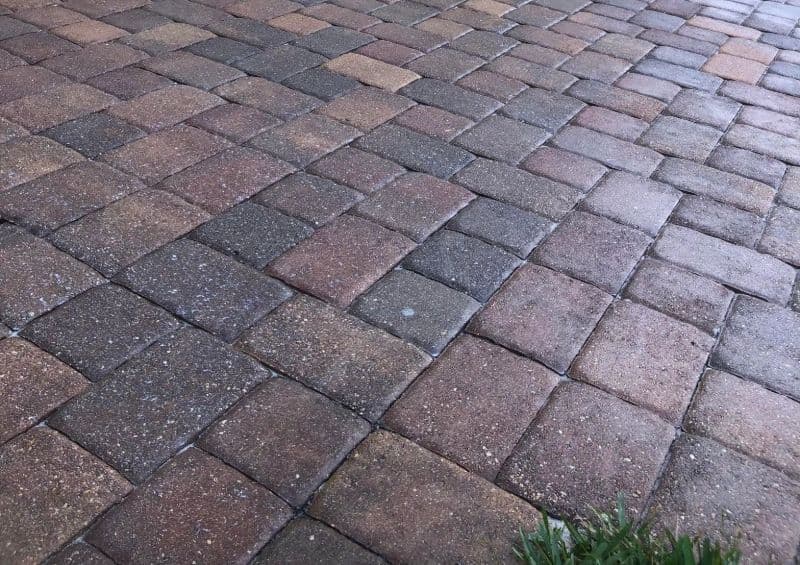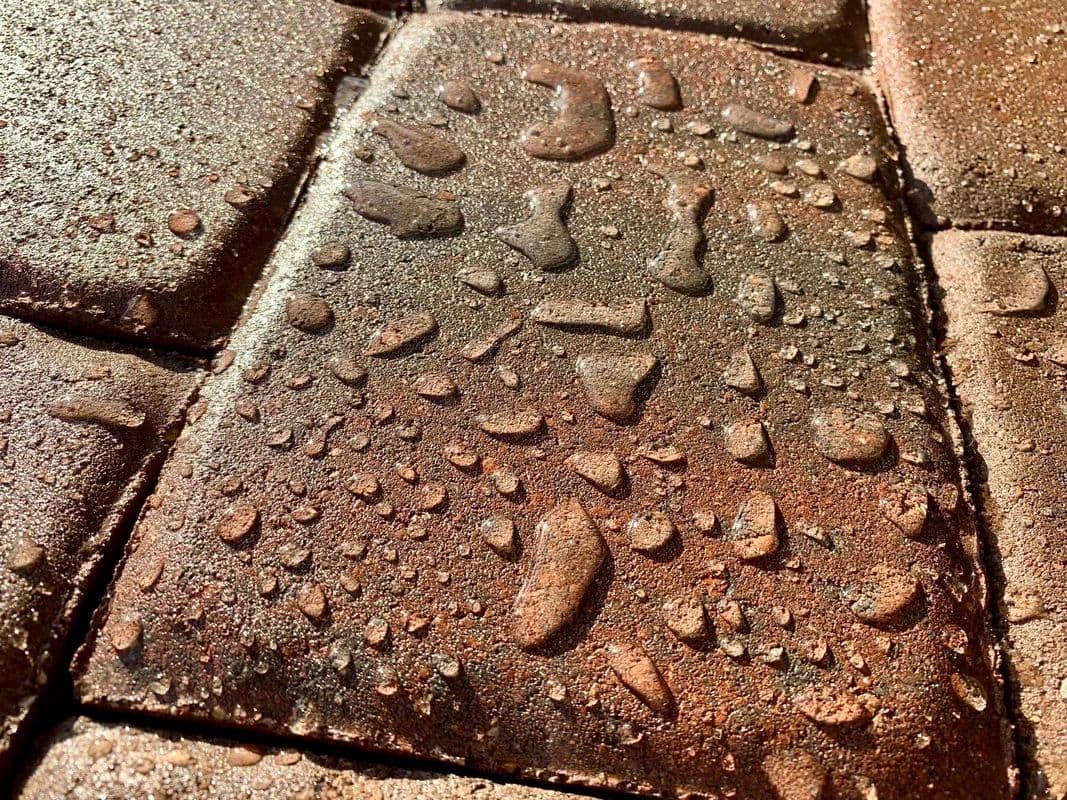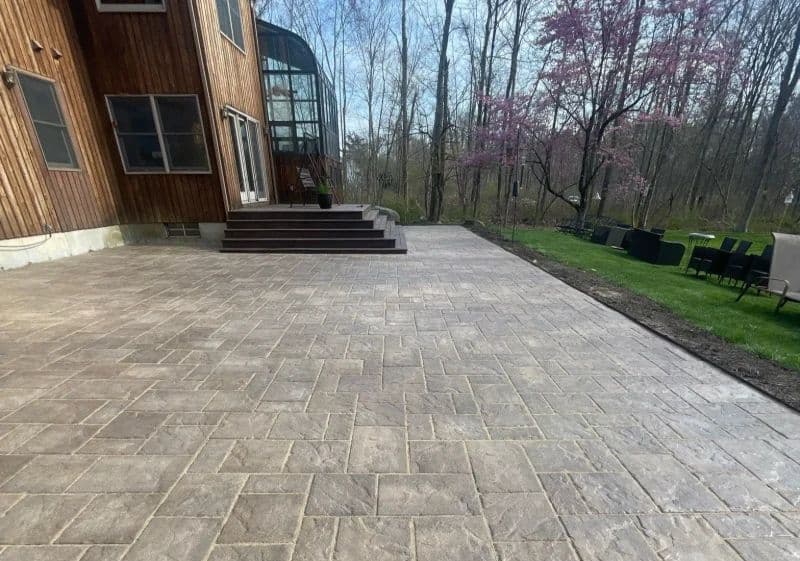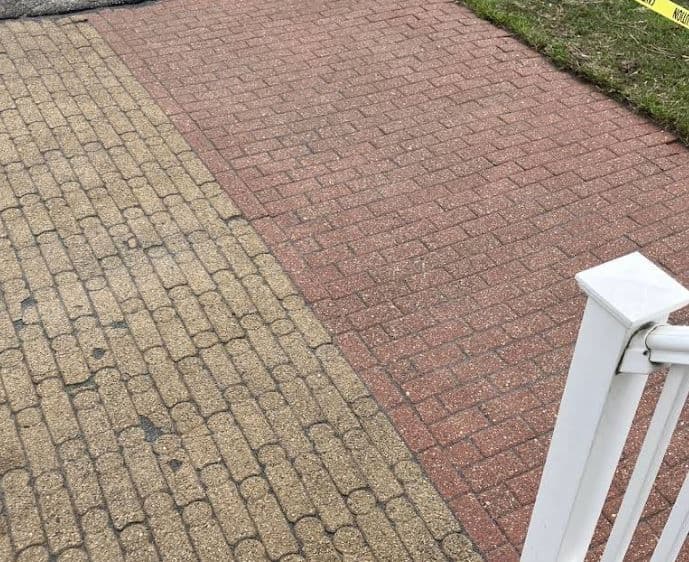
Yes, biodegradable cleaners work effectively on pavers. They remove dirt, algae, moss, mildew, and grease without damaging the surface or harming nearby plants. Made from natural enzymes, plant-based surfactants, or minerals, these cleaners are safe for pets, children, and the environment. They also protect the color and lifespan of pavers, unlike harsh chemical cleaners that can cause corrosion or discoloration.
Key Points:
- What They Clean: Dirt, grease, algae, moss, and mildew.
- How They Work: Use enzymes, oxidation, or natural acids to break down stains.
- Benefits: Non-corrosive, safe for vegetation, and eco-friendly.
- DIY Options: Vinegar-water mix, baking soda paste.
- Limitations: Less effective on deep-set stains like moss or tannins compared to chemical cleaners.
For regular maintenance, biodegradable cleaners are an excellent choice. For tougher stains, consider professional cleaning services or occasional chemical solutions.
How Biodegradable Cleaners Work on Pavers
Breaking Down Stains Without Harsh Chemicals
Biodegradable cleaners tackle stains on pavers using natural processes, avoiding the need for harsh chemicals.
For oil and grease stains, enzyme-based cleaners are particularly effective. These products contain enzymes that break down petroleum into simpler compounds like carbon dioxide and water. As Mark Wolfe, a Product Reviews tester and writer, explains:
Instead of using a detergent to essentially flush the oil downstream, the enzymes break down oil into carbon dioxide, hydrogen, and oxygen.
This process takes about 3 to 4 weeks to fully eliminate the pollutant, ensuring it’s broken down rather than just moved elsewhere.
Peroxide-based cleaners, on the other hand, use oxidation to loosen biological growth such as algae, mold, and mildew from the paver surface. When combined with eco-friendly alcohol-based solvents, these cleaners weaken the bond between the stains and the paver, allowing them to be rinsed off without the need for heavy scrubbing. For everyday dirt and grime, biodegradable surfactants work to lift stains from porous surfaces. Additionally, natural acids like white vinegar (acetic acid) are great for light maintenance on sealed pavers, as they clean without stripping protective finishes.
Next, we’ll look at how these natural cleaning processes benefit the environment.
How Biodegradable Cleaners Protect the Environment
One of the biggest benefits of biodegradable cleaners is their ability to break down naturally, which helps prevent toxic residues. Unlike traditional chemical cleaners, whose runoff often carries pollutants into stormwater systems and nearby ecosystems, biodegradable options are formulated to degrade safely.
In professional settings, containment barriers and collection systems are often used to ensure wastewater doesn’t seep into gardens or public spaces. At home, these cleaners are safer for children, people with respiratory sensitivities, and those with weakened immune systems. Plus, products certified by the EPA’s "Safer Choice" program or USDA meet strict safety guidelines, offering an added layer of trust.
sbb-itb-238bf3c
Cleaning Your Patio & Walkway
Best Biodegradable Cleaners for Pavers
Looking for eco-friendly ways to keep your pavers spotless? These biodegradable cleaners tackle various stains and cleaning challenges while being gentle on the environment.
Vinegar and Water Mixture
Distilled white vinegar is an affordable and effective option for cleaning pavers, thanks to its 5% acidity. It’s excellent for breaking down dirt, grime, algae, moss, and even rust stains. Paving expert Tony McCormack highlights its effectiveness:
White vinegar is particularly useful in removing rust stains.
To clean pavers, mix distilled white vinegar with warm water in a 1:1 ratio. For weed control between pavers, adjust the mix to a 3:1 ratio. Before applying, saturate the pavers with water to improve absorption. Let the solution sit for 30–60 minutes, scrub with a bristle brush and soapy water, then rinse thoroughly.
Important Tips:
- Stick to distilled white vinegar. Avoid balsamic or red wine vinegar, as their dyes can leave permanent stains.
- Never use vinegar on natural stone pavers like limestone, marble, or travertine, as the acid can cause etching and damage the surface.
Baking Soda and Dish Soap Paste
For stubborn grease and oil stains, a baking soda and dish soap paste works wonders. Combine baking soda with a bit of dish soap and water until you create a thick paste. Apply it directly to the stains, allowing it to sit for 15–20 minutes. The baking soda’s mild alkalinity helps lift grease and oil, while the dish soap breaks down petroleum-based residues. Scrub the area with a bristle brush and rinse well with clean water.
Citra-Shield Deck and Patio Cleaner
If you’re after professional-grade results, consider Citra-Shield Deck and Patio Cleaner. This bleach-free, biodegradable cleaner has a no-rinse formula. A single gallon of concentrate makes 6 to 10 gallons of cleaning solution when diluted at a 5:1 ratio. Apply it to dry surfaces using a low-pressure pump sprayer, and let it sit for 12 hours. The formula works gradually with natural elements like wind and rain to clean your pavers.
- Green algae typically starts fading within 1 to 3 weeks.
- More stubborn black stains and lichen may take 12 to 24 weeks to disappear.
This slow-acting approach reduces labor costs and helps prevent the surface erosion that can occur with pressure washing.
How to Clean Pavers with Biodegradable Products
Cleaning pavers with biodegradable products is a great way to maintain their appearance while being environmentally conscious. To get the best results, you'll need to follow a few key steps: prepare the surface, apply the cleaner carefully, and seal the pavers to protect your hard work.
Preparing the Paver Surface
Start by clearing the area of any furniture or decorations and covering any landscaping that can't be moved. Pull out weeds completely, including the roots, and use a stiff brush to remove moss or other organic growth from the joints. Before applying any cleaner, pre-wet the pavers. This prevents the cleaner from soaking in too deeply and leaving residue behind. It's also smart to do a quick spot test to ensure the cleaner is safe for your specific pavers.
Cleaning expert Asya Biddle highlights the effectiveness of common household products:
"These solutions [vinegar, Simple Green, dish soap] are great for cleaning pavers and are deemed environmentally safe."
Once the surface is prepped, you're ready to apply the cleaner and tackle those stains.
Applying and Scrubbing the Cleaner
Work in small sections to keep the cleaning solution from drying out before you can scrub it. Pour your biodegradable cleaner directly onto the pavers and let it sit for several minutes. This waiting period helps loosen dirt and stains, making them easier to remove.
For general cleaning, a stiff, long-handled broom does the job well. For tougher stains or grime, try using a wire hand brush, a scouring pad, or even a stiff-bristled toothbrush for those hard-to-reach areas. After scrubbing, rinse thoroughly with a garden hose. However, avoid using a pressure washer, as it can damage the sand between the pavers.
For specific stains, adjust your cleaning method:
- Oil stains: If the oil is still wet, sprinkle cat litter over it and let it sit for 24 hours to absorb the moisture. For older stains, a baking soda paste works well.
- Hard water stains: A 50:50 vinegar solution can help dissolve these stubborn marks.
Once the pavers are clean and dry, it's time to seal them for added protection.
Sealing Pavers After Cleaning
Sealing is the final step and a crucial one for long-term maintenance. Make sure the pavers are completely dry before applying the sealant - trapped moisture can cause a cloudy finish. Sealing helps protect the surface from future stains and wear, extending the life of your pavers. For best results, reapply the sealant every 3 to 5 years to keep your pavers looking their best.
Pros and Cons of Biodegradable Cleaners for Pavers
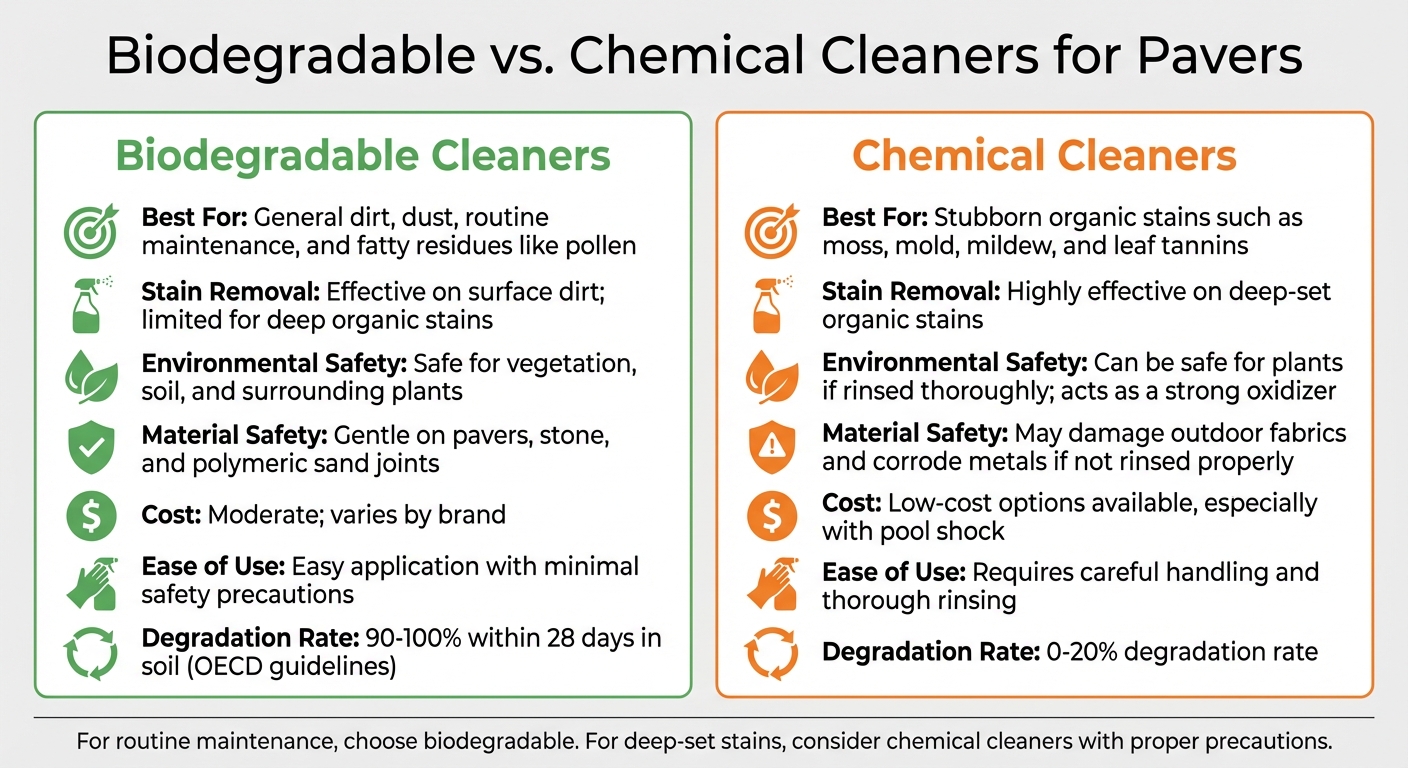
Biodegradable vs Chemical Paver Cleaners Comparison
Biodegradable cleaners provide a safer way to maintain pavers. They effectively remove surface dirt and grime while being gentle on nearby landscaping and the polymeric sand between pavers. These cleaners are great for routine maintenance and keeping pavers looking clean and polished. However, they might not be the best choice for tackling tougher stains.
When it comes to deep-set stains like moss, mold, mildew, and leaf tannins, biodegradable cleaners often fall short. As noted by Camosse/Alliance Gator, "While paver shampoo and efflorescence cleaner won't penetrate them, bleach (or more specifically, sodium hypochlorite) can make organic stains disappear like magic right before your eyes." For issues like pollen residue, stronger detergents or degreasers, such as Simple Green, are recommended. Even plain hot water can sometimes work wonders on pollen stains.
On the other hand, chemical cleaners, like pool shock mixed with warm water, are highly effective for removing deep-set organic stains. However, these products require careful handling to avoid damage to outdoor fabrics or corrosion of metal fixtures. They also demand thorough rinsing and additional safety precautions to prevent harm to surrounding areas.
While the price difference between biodegradable and chemical cleaners isn’t massive, biodegradable products tend to cost slightly more per gallon. For most homeowners, biodegradable cleaners are ideal for regular maintenance, while chemical cleaners can be reserved for occasional deep cleaning tasks.
Comparison Table: Biodegradable vs. Chemical Cleaners
| Feature | Biodegradable Cleaners | Chemical Cleaners |
|---|---|---|
| Best For | General dirt, dust, routine maintenance, and fatty residues like pollen | Stubborn organic stains such as moss, mold, mildew, and leaf tannins |
| Stain Removal | Effective on surface dirt; limited for deep organic stains | Highly effective on deep-set organic stains |
| Environmental Safety | Safe for vegetation, soil, and surrounding plants | Can be safe for plants if rinsed thoroughly; acts as a strong oxidizer |
| Material Safety | Gentle on pavers, stone, and polymeric sand joints | May damage outdoor fabrics and corrode metals if not rinsed properly |
| Cost | Moderate; varies by brand | Low-cost options available, especially with pool shock |
| Ease of Use | Easy application with minimal safety precautions | Requires careful handling and thorough rinsing |
Professional Paver Cleaning Services: ViewCrew Services

When routine biodegradable cleaners can’t tackle tough stains, it’s time to call in the pros.
ViewCrew Services specializes in professional paver cleaning and sealing across Massachusetts, Southern New Hampshire, and Connecticut. Their eco-friendly approach combines biodegradable cleaning agents with expert techniques to rejuvenate and protect your pavers.
Their process doesn’t stop at surface cleaning. Using advanced enzyme-based bioremediation, they effectively break down oil, grease, and other stubborn residues. This method is not only effective but also environmentally conscious, reducing the need for harsh chemicals.
Beyond cleaning, ViewCrew Services also offers professional paver sealing to preserve the beauty and durability of your hardscape surfaces. They provide tailored solutions backed by a 100% satisfaction guarantee, all handled by insured professionals who understand the specific demands of both residential and commercial properties.
If you’re a homeowner in the Northeast looking for anything from routine care to complete restoration, ViewCrew Services has you covered.
Conclusion
Biodegradable cleaners offer an effective way to tackle algae, mold, and oil stains on pavers while safeguarding their structure and protecting nearby plants. Simple solutions like vinegar mixtures or products like Citra-Shield efficiently break down organic buildup without harming the porous surfaces of concrete and brick pavers. Plus, they're safe to use around pets and vegetation, making them a practical choice for eco-conscious homeowners.
According to OECD guidelines, biodegradable cleaners decompose 90–100% within 28 days in soil, a stark contrast to the 0–20% degradation rate of chemical alternatives. This makes them particularly suitable for cleaning areas near gardens or waterways.
DIY options, such as vinegar-based cleaners, are budget-friendly, costing less than $5 per batch. However, for more persistent stains or larger cleaning projects, professional services can save time and deliver better results. Expert cleaning services, like those offered by ViewCrew Services, use eco-friendly biodegradable agents alongside advanced pressure washing and sealing techniques. These professional methods not only restore the look of your pavers but can also extend their lifespan by up to 10 years.
Whether you opt for a DIY approach or professional care, biodegradable cleaning methods provide a practical and environmentally friendly way to maintain your pavers. Start with simple solutions for regular upkeep, and rely on professionals for deeper cleaning and sealing when necessary.
FAQs
Will biodegradable cleaners remove efflorescence on pavers?
Efflorescence, the white residue that sometimes appears on pavers, is a natural and temporary phenomenon. The good news? Biodegradable cleaners can handle it effectively. These eco-friendly products not only remove the residue but also offer a safer option for maintaining your pavers without harming the environment.
Can I use biodegradable cleaners on sealed vs. unsealed pavers?
Biodegradable cleaners are suitable for use on both sealed and unsealed pavers, though their performance can differ depending on the surface. For sealed pavers, it’s important to choose a cleaner that won’t harm the sealant. These products are typically safe for the environment, making them a solid option for keeping your pavers clean and well-maintained.
How often should I clean and reseal my pavers?
To keep your pavers in top condition and extend their lifespan, it's a good idea to clean and reseal them every 2 to 3 years. This routine maintenance helps shield them from wear, stains, and damage caused by weather.