After a professional roof cleaning, results typically last between 1 to 5 years, depending on factors like sun exposure, shade, and location. In areas like New England, conditions such as high humidity, dense tree cover, and coastal moisture often lead to faster regrowth of algae, moss, and lichen.
Key Takeaways:
- Full sun exposure: Roofs stay clean for 3–5 years.
- Moderate shade: Expect results to last 2–3 years.
- Heavy shade or coastal areas: Regrowth can occur within 1–2 years.
- Post-wash algaecide treatment: Can extend results to 3+ years.
For long-lasting results, regular inspections, post-wash treatments, and timely cleanings are essential, especially in humid or coastal regions like New England. Early signs of regrowth, such as dark streaks or moss tufts, should be addressed promptly to avoid structural damage.
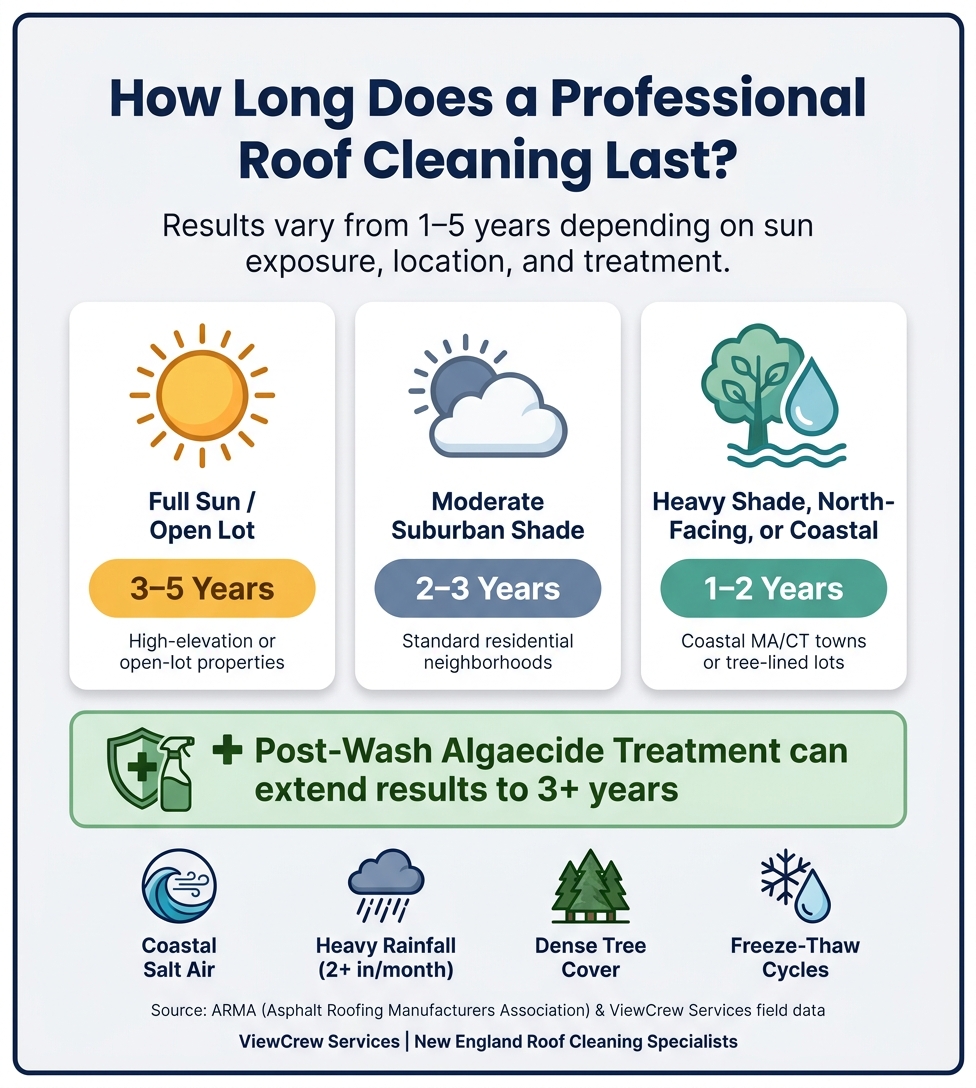
How Long Does Roof Cleaning Last? Results by Condition
How Long Should My Roof Remain Clean After Being Serviced
sbb-itb-238bf3c
What Affects How Long a Roof Cleaning Lasts
The longevity of a roof cleaning depends on several factors, including biological, structural, and environmental conditions. This is particularly true in regions like New England, where the climate can significantly influence regrowth rates. Understanding these elements is key to managing expectations for how long your roof will stay clean after a professional service.
ARMA's Position on Roof Cleaning Longevity

The Asphalt Roofing Manufacturers Association (ARMA) provides clear guidance: roof cleaning is effective but not permanent.
"Algae spores are airborne and will recolonize a cleaned surface over time. The rate of recolonization varies by climate, surface porosity, shading, and proximity to moisture." - Asphalt Roofing Manufacturers Association (ARMA)
According to ARMA, while soft wash cleaning effectively removes visible algae, moss, and stains, regrowth is unavoidable and influenced by factors like climate, the porosity of the roofing material, nearby moisture sources, and shading. Because conditions vary so widely, ARMA doesn’t recommend a specific timeline for how often roofs should be cleaned.
One reason regrowth occurs is the composition of modern asphalt shingles. Many shingles contain limestone filler, which provides a nutrient source for bacteria, particularly in warm and damp conditions. This means that the shingles themselves can contribute to faster regrowth.
While ARMA’s insights apply broadly across different regions, New England’s specific climate conditions make regrowth happen even faster.
How New England's Climate Speeds Up Regrowth
New England’s unique weather patterns and environmental features play a significant role in how quickly algae, moss, and other growths return after a roof cleaning. Coastal humidity, heavy tree cover, and frequent freeze-thaw cycles combine to create a perfect storm for regrowth.
North-facing roof slopes are especially vulnerable. These areas receive less sunlight, retain moisture longer, and often collect debris from nearby trees - all of which accelerate the return of algae and moss. Additionally, heavy rainfall (over 2 inches per month) can wash away the biocides applied during cleaning, reducing their effectiveness and shortening the period of protection.
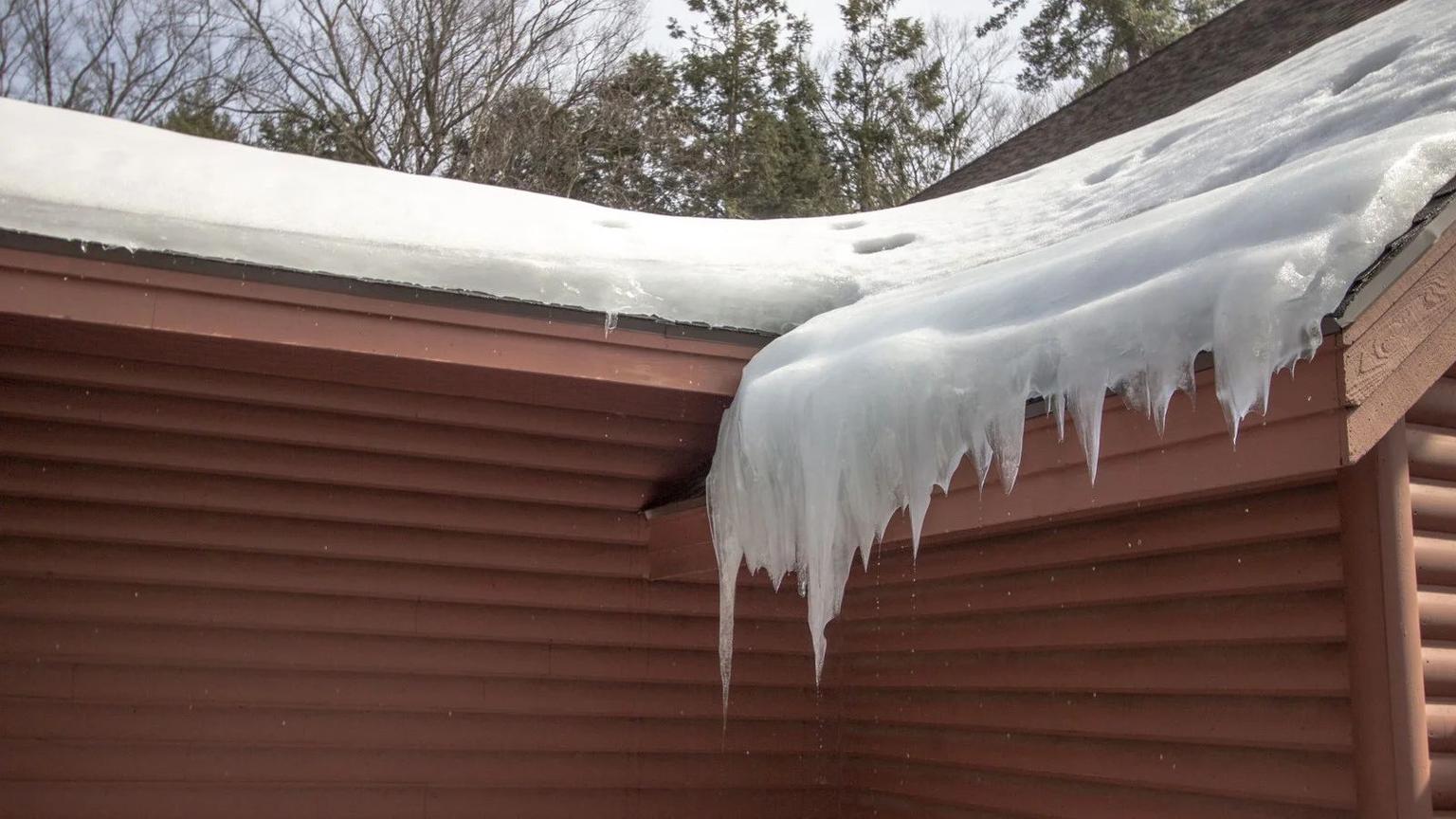
Freeze-thaw cycles are another challenge. Moisture trapped in the roof can expand as it freezes, loosening shingle granules and creating conditions for quicker regrowth. This process also weakens the roof itself. ARMA has noted that moss growth can cause shingle edges to lift or curl, increasing the risk of wind damage.
For coastal towns in New England, the challenges are even greater. Salt-laden air from the Atlantic accelerates the aging of shingles and keeps surfaces damp, which shortens the time between cleanings. Communities like Beverly, Marblehead, and Cohasset in Massachusetts, or Darien and Westport in Connecticut, often experience faster regrowth due to these conditions. These environmental factors explain why roof cleaning longevity can vary so widely, as explored further in the next section.
How Long Roof Cleaning Results Typically Last in New England
The durability of roof cleaning results in New England depends on factors like sun exposure, location, and environmental conditions. Based on data from ViewCrew’s repeat customers, here’s a general idea of what to expect from soft wash roof cleaning in the region. Keep in mind, these are practical estimates - not guarantees.
Longevity Ranges by Roof Exposure and Location
Sun exposure plays a huge role in how long your roof stays clean after a soft wash. Roofs on open lots with full sun exposure tend to stay clean for 3 to 5 years. In contrast, suburban homes with a mix of sun and shade typically see streaks or discoloration return in 2 to 3 years.
For homes with heavy shade, north-facing slopes, or coastal exposure, algae regrowth can happen more quickly - usually within 1 to 2 years. Areas like Beverly, Marblehead, and Cohasset in Massachusetts, or Darien and Westport in Connecticut, are especially prone to faster regrowth due to salt air and high moisture levels.
| Roof Condition | Typical Clean Period | Local Examples |
|---|---|---|
| Full sun, open lot | 3–5 years | High-elevation or open-lot properties |
| Moderate suburban shade | 2–3 years | Standard residential neighborhoods |
| Heavy shade, north-facing, coastal | 1–2 years | Coastal MA/CT towns or tree-lined lots |
Understanding these timeframes can help you plan for additional treatments that may extend the clean period.
How Post-Wash Algaecide Treatment Extends Results
To maximize the time your roof stays clean, a post-wash algaecide treatment can make a big difference. After a soft wash, professionals often apply a liquid copper or zinc algaecide directly to the shingles. This creates a surface that’s less hospitable to airborne spores, which are the primary cause of algae regrowth.
When combined with soft washing, these inhibitor treatments can extend the clean period to 3+ years. Without this treatment, algae streaks can reappear within 12 to 24 months, especially in humid areas like New England. Be sure to ask ViewCrew if their roof cleaning service includes this inhibitor application or if it’s offered as an add-on. It’s worth noting that heavy rainfall - over 2 inches per month - can dilute these treatments faster, particularly in wetter microclimates.
Why Zinc and Copper Strips Are Not a Recommended Fix
There’s a common suggestion to use zinc or copper strips to prevent algae growth on roofs. The theory is that rainwater washes metal ions from these strips across the roof, stopping algae from forming. While it might sound effective, installing these strips on an existing roof can lead to serious structural issues. Let’s break down why this approach can do more harm than good.
The Risks of Adding Strips to an Existing Roof
Adding metal strips to an already-installed roof isn’t as simple as it seems. It often involves nailing through shingles or disrupting the factory seal. Both actions weaken the roof’s structure:
- Exposed fasteners: Nails create points where water can seep in, increasing the risk of leaks.
- Compromised seals: Breaking the sealant bond makes shingles more prone to being lifted by strong winds, which are common in areas like Massachusetts and Connecticut.
The Asphalt Roofing Manufacturers Association (ARMA) strongly advises against retrofitting zinc or copper strips. Instead, they recommend integrating these materials only during a complete roof replacement when new shingles are being installed. For existing roofs, it’s better to explore safer alternatives.
Liquid Algaecide vs. Physical Zinc or Copper Strips
A safer and more effective option for combating algae is the use of liquid copper or zinc algaecide after a soft wash. This method involves applying a low-pressure spray directly onto the shingles, which avoids the need for nails or disturbing the shingle seals.
Here’s how the two methods compare:
- Metal strips: These rely on rain to distribute metal ions across the roof. This process can be inconsistent, especially during dry spells.
- Liquid algaecide: This is applied directly and actively targets algae, killing it at the cellular level. It also leaves a protective film to help prevent regrowth.
The table below highlights the key differences:
| Feature | Liquid Algaecide (Post-Wash) | Physical Zinc/Copper Strips |
|---|---|---|
| ARMA Status | Recommended for post-wash treatment | Not recommended for retrofitting |
| Installation | Low-pressure, non-invasive spray | Requires nails or compromising shingle seals |
| Structural Risk | Minimal risk | Can create leak points and increase wind damage risk |
| How It Works | Actively kills growth and inhibits regrowth | Relies on passive ion release via rainfall |
| Best Use Case | Existing roofs after cleaning | Suitable only during new roof installations |
For long-term results, choosing the right treatment is essential. Liquid algaecide not only protects your roof but also ensures the cleaning process delivers lasting benefits, keeping your customers satisfied.
Signs It's Time to Schedule Your Next Roof Cleaning
Keeping your roof in good condition requires regular inspections and timely cleaning. Not only does this help maintain its value, but it also ensures your roof lasts longer. Spotting the signs of regrowth early can save you money and effort, as the cleaning process remains simpler and more affordable.
What to Look for on Your Roof
Make it a habit to inspect your roof annually using binoculars from the ground. Here’s what you should keep an eye on:
- Dark streaks in shaded areas: North-facing slopes and roof valleys are often the first spots to show signs of regrowth. If you notice dark streaks near vents or below the ridge line, it’s time to take action.
- A green or gray tint along the edges: Subtle color changes at the eave line or ridge are early indicators of algae starting to grow.
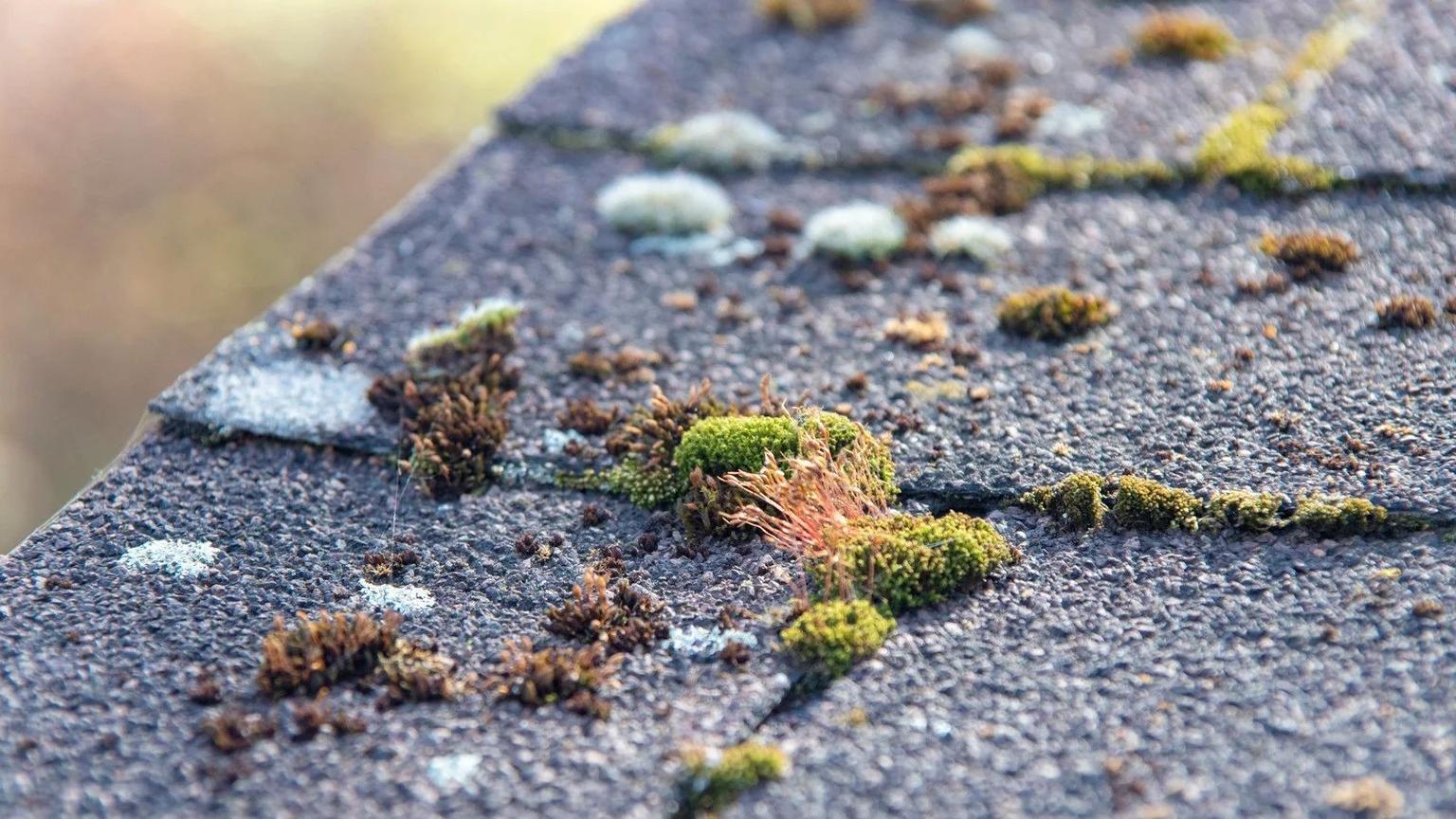
- Lichen or moss growth: Crusty lichen patches or green moss tufts are more advanced signs of regrowth. Moss, in particular, can lift shingles and increase the risk of leaks if left untreated.
- Insurance photo requests: If your insurance company asks for a current photo of your roof, it’s a good idea to schedule a cleaning beforehand to ensure it looks its best.
These clues can guide you in deciding when to book your next soft wash roof cleaning.
Matching Roof Conditions to Your Cleaning Schedule
To protect your roof and your investment, align what you observe with your typical cleaning timeline. Here’s a handy guide:
| What You're Seeing | Likely Stage | Recommended Action |
|---|---|---|
| Faint streaks on north-facing slopes only | Early regrowth (~12 months in) | Take a photo and compare it in 90 days; monitor closely |
| Dark stains spreading to sunnier areas | Active regrowth (~24 months in) | Schedule a full soft wash cleaning soon |
| Green moss tufts or lifted shingles | Urgent - structural risk | Book a soft wash roof cleaning immediately |
| Crusty lichen patches forming | Late-stage - harder to remove | Treat right away; expect a more intensive cleaning process |
Acting quickly is crucial. The longer you wait, the tougher and riskier the cleaning process becomes.
If you live in coastal areas like Cohasset, Marblehead, or Darien, where salt air and high humidity speed up regrowth, annual inspections are a must. In these regions, catching regrowth at the 12-month mark is far better than waiting until it worsens at 18 months.
Conclusion: Keep Your Roof Clean with a Regular Schedule
How long your roof stays clean depends on factors like sun exposure, shade, roof pitch, proximity to water, and how quickly you address early signs of regrowth. In humid areas like New England, these elements can speed up regrowth, making regular attention even more important.
Taking a proactive approach can save you money in the long run. In Massachusetts, annual maintenance treatments usually cost $200–$500, while replacing an asphalt shingle roof can set you back $8,000–$15,000. As Hardshore Roofing and Exteriors explains:
"A predictable re-treatment cadence is usually cheaper than waiting until the whole roof looks dark again and then paying for a full cleaning."
Every roof is different, so it’s important to adjust your cleaning schedule based on visible signs of regrowth. This approach aligns with guidance from ARMA, which emphasizes that condition-based schedules are key to managing regrowth and protecting your roof effectively.
If you're in Massachusetts, Southern New Hampshire, or Connecticut, consider scheduling your next soft wash roof cleaning with ViewCrew Services. Reach out for a custom quote and keep your roof in great shape.
FAQs
Will roof stains come back after a roof cleaning service?
Roof stains often make a comeback because they’re caused by organisms like Gloeocapsa magma, which spread via airborne spores. Even after professional roof cleaning clears these organisms, factors like high humidity, shaded areas, and nearby trees can speed up their return. In regions such as Massachusetts and Connecticut, a clean roof usually stays that way for about 1–3 years. The best way to keep your roof looking great and lasting longer is through regular soft wash treatments.
How can I make soft wash roof cleaning last longer?
To keep your roof looking clean longer after a soft wash, think about adding an algae-inhibiting treatment. This professional application forms a protective layer that slows down the return of algae and those pesky black streaks, which tend to thrive in damp or shaded spots.
Other helpful steps include trimming back any overhanging branches to let in more sunlight and improve airflow. Make sure your gutters are clear to ensure proper drainage, and take time to inspect your roof each season. Spotting early signs of regrowth can help you tackle the problem before it becomes a bigger issue.
How do I know when it’s time to clean again?
As part of your spring yard cleanup, don't forget to inspect your roof. Be on the lookout for dark streaks on shaded or north-facing areas, a green or gray tint near the eaves or ridge, or patches of moss and lichen. If black streaks are visible from the street, it's definitely time to act. Most roofs benefit from a soft wash cleaning every 2–3 years, though homes in shaded or coastal regions might need it more frequently.