A clean driveway, patio, or walkway makes seasonal décor look better and helps cut slip risk before guests arrive.
Before you put out spring flowers, fall pumpkins, or holiday lights, wash off dirt, algae, mildew, salt film, and pollen. Those stains can make colors look dull, make hard surfaces slick, and add wear over time. For many homes in Massachusetts, Southern New Hampshire, and Connecticut, the best time is April to May for spring setups and October to early November for fall and winter displays, as long as temperatures stay above 32°F.
Here's the short version:
- Clean first, decorate second
- Focus on driveways, walkways, patios, garden edges, and retaining walls
- Match pressure to the surface so concrete, brick, pavers, and wood are not damaged
- Let surfaces dry fully before adding cords, lights, planters, or seating
- Wash before high-traffic seasons to improve both looks and footing
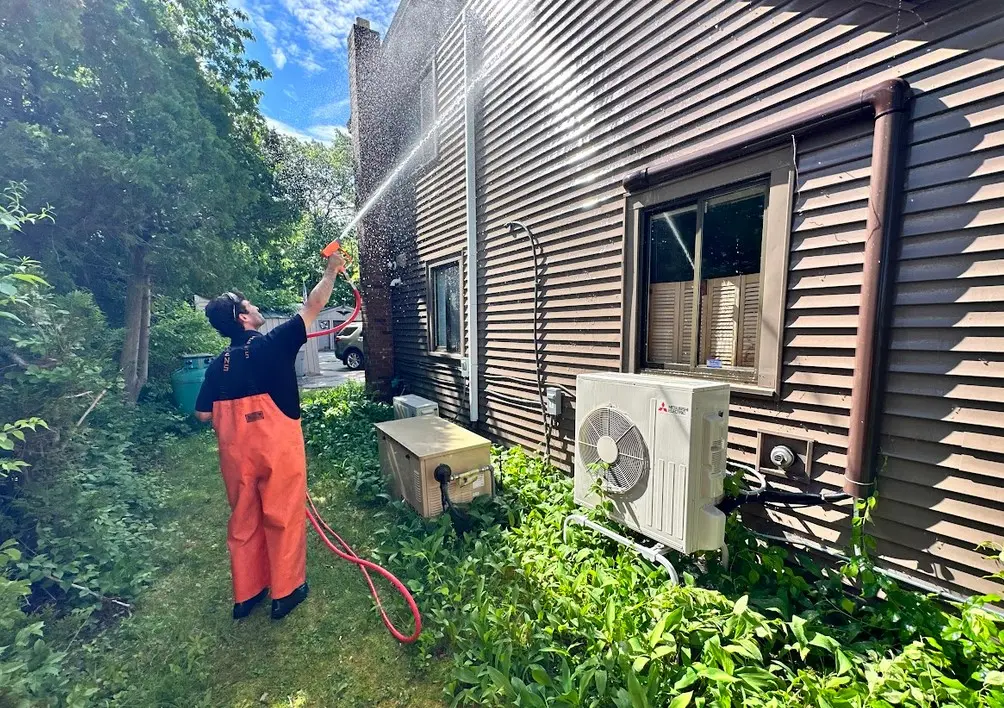
Professional exterior cleaning crews such as ViewCrew Services adjust pressure by material, which is exactly the distinction that keeps driveways, patios, and walkways looking sharp without damage.
Quick Comparison
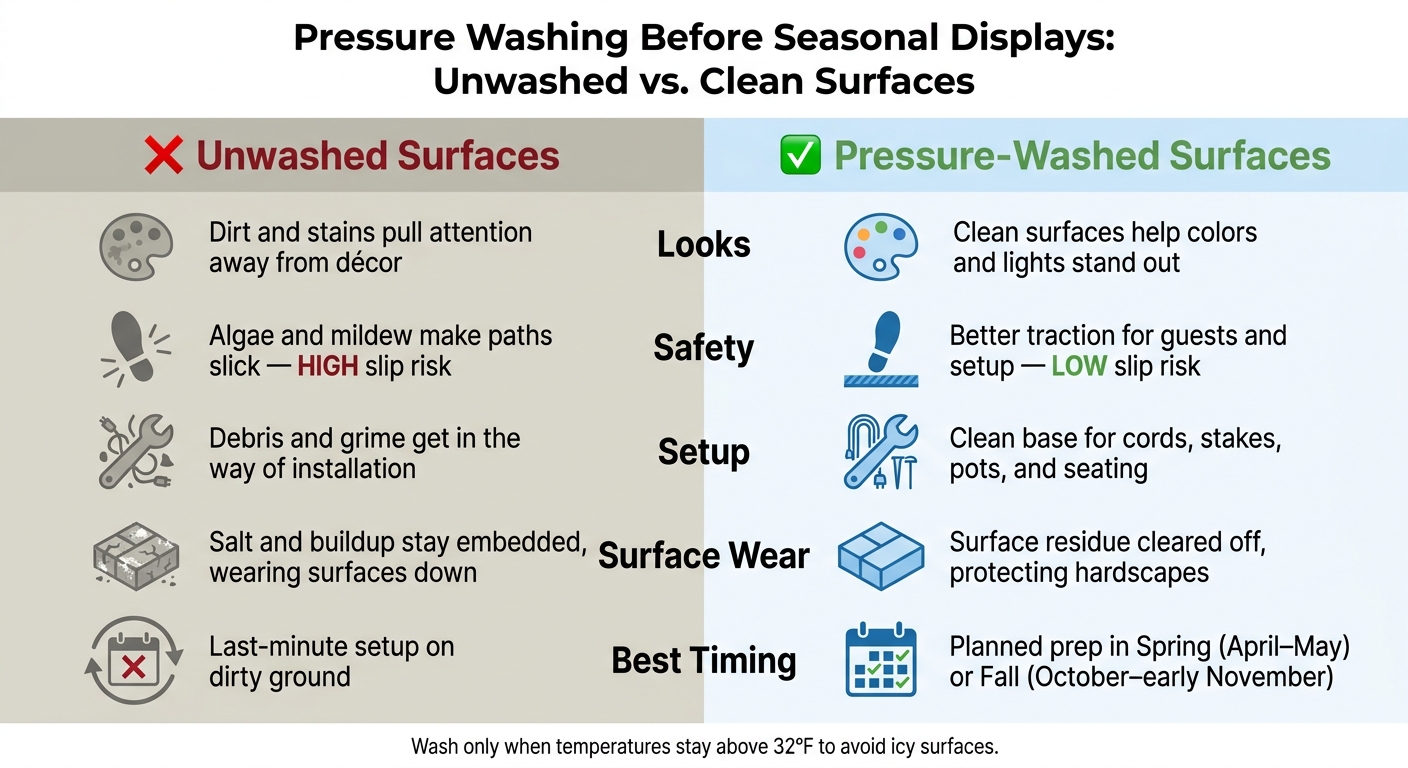
Pressure Washing Before Seasonal Displays: Unwashed vs. Clean Surfaces
| Area | If You Skip Washing | If You Wash First |
|---|---|---|
| Looks | Dirt and stains pull attention away from décor | Clean surfaces help colors and lights stand out |
| Safety | Algae and mildew can make paths slick | Better traction for guests and setup |
| Setup | Debris and grime get in the way | Cleaner base for cords, stakes, and pots |
| Surface wear | Salt and buildup stay in place | Surface residue is cleared off |
| Best timing | Last-minute setup on dirty ground | Planned prep in spring or fall |
That simple prep step can make the whole display look cleaner, safer, and easier to set up.
sbb-itb-238bf3c
The Problem: Curb Appeal and Safety Suffer on Unwashed Hardscapes
Skip pressure washing, and grime, stains, and slick buildup stay right where they are - on driveways, walkways, and patios. That dulls curb appeal and adds slip hazards before you’ve even put up the first decoration.
Stains and Organic Growth Reduce Visual Contrast
Dark streaks, green algae patches, and ground-in dirt can make the whole area look flat and messy. When a walkway or patio is covered in biological growth and staining, decorations have to fight for attention instead of standing out against a clean surface.
Slippery Walkways and Patios Put Guests at Risk
Moss, algae, and mildew can turn driveways, patios, and walkways slick when wet. That’s not just an eyesore - it’s a safety issue, especially when guests are coming and going.
Left in Place, Buildup Wears Surfaces Down
Salt residue and embedded debris do more than make hardscapes look dirty. Over time, that buildup can help wear down concrete and pavers. Pressure washing clears it away before it sinks in deeper.
That’s why pressure washing should come first, before any seasonal display goes up.
The Solution: Pressure Wash Before Setting Up Displays
Pressure washing gives seasonal displays a clean, stable base. And that changes how the whole setup looks.
When the surface underneath is clean, the display gets the attention it should. Not the dirt. Not the stains. Not the green buildup in the corners.
Clean Surfaces Help Seasonal Decorations Stand Out
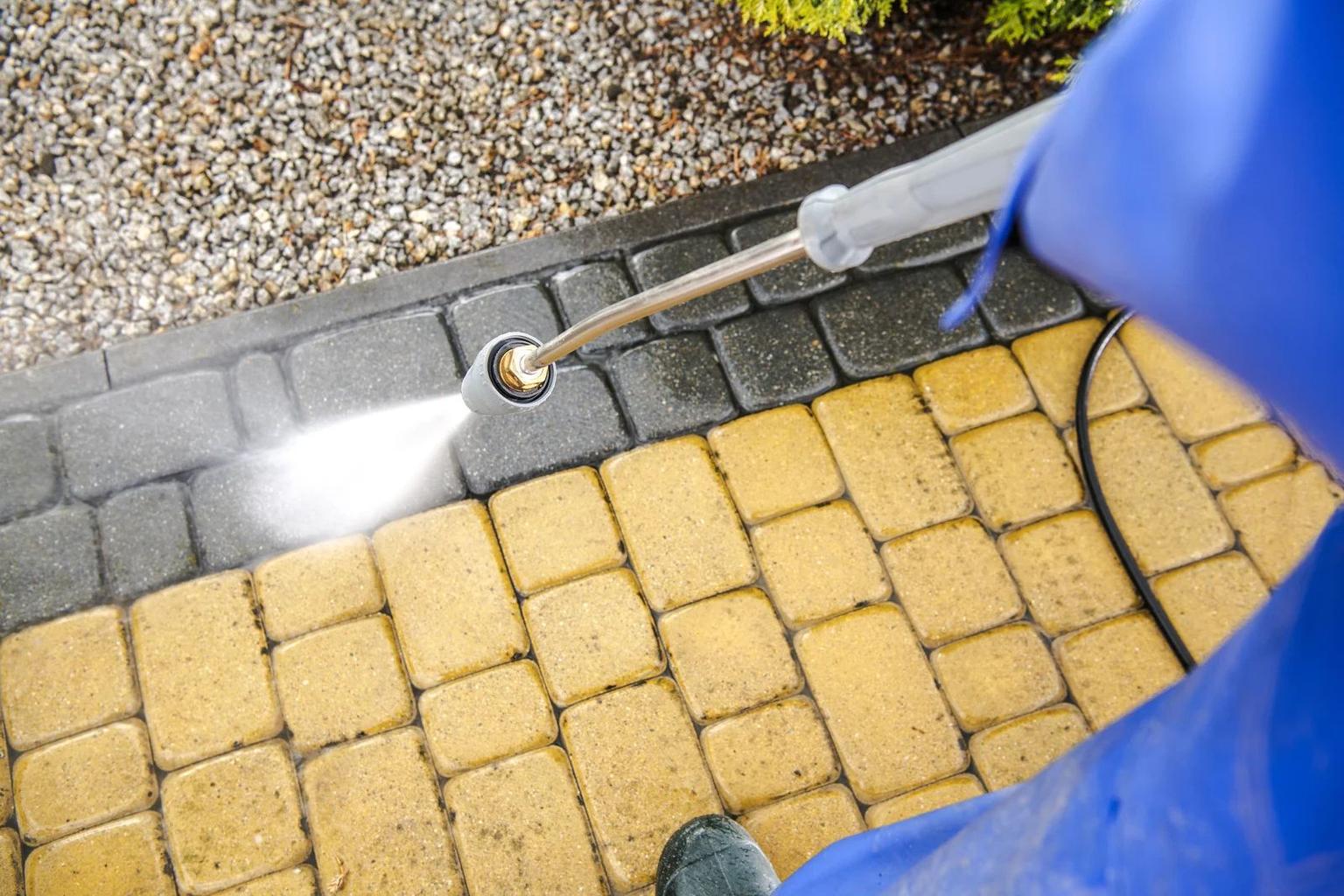
A freshly pressure-washed driveway or patio brings back brightness and detail. Clean concrete or brick creates contrast, which helps decorations pop.
If the surface is stained or covered in organic growth, your decorations end up fighting for attention. Once that buildup is removed, the display becomes the focal point instead of the grime around it.
A Cleaner Surface Makes Setup and Foot Traffic Safer
Removing slippery residue like moss, algae, and mildew does more than improve curb appeal. It gives guests a safer place to walk and creates a drier, steadier base for extension cords, light stakes, potted arrangements, and outdoor seating.
Damp or mossy surfaces can make cords, stakes, and seating less stable. A clean hardscape helps lower that risk and makes the area easier to set up.
When to Schedule Pressure Washing for Spring and Fall
Timing matters here.
For spring displays, schedule pressure washing between April and May. That’s after winter weather has passed but before you start putting anything outside.
For fall and winter displays, aim for October through early November. That gives you time before Halloween, Thanksgiving, and holiday lighting season. This is also the ideal time to review a guide to professional Christmas light installation to ensure your home is ready for the festivities.
One key point: only wash when temperatures stay above freezing. Washing in near-freezing weather can leave surfaces icy and create the same hazard you’re trying to prevent.
In Massachusetts, Southern New Hampshire, and Connecticut, ViewCrew Services can coordinate pressure washing and holiday light installation. Next, match the cleaning method to the surface.
What to Clean and How to Plan the Work
Once the surface is clean, put your attention on the spots that shape curb appeal and handle the most foot traffic.
Driveways, Walkways, Patios, and Garden Edges
Begin with the areas people see and use the most: driveways, walkways, patios, stepping stones, retaining walls, and bed edges. These surfaces set the tone right away, and cleaning them makes the whole setup look polished.
Match Pressure Levels to the Surface Material
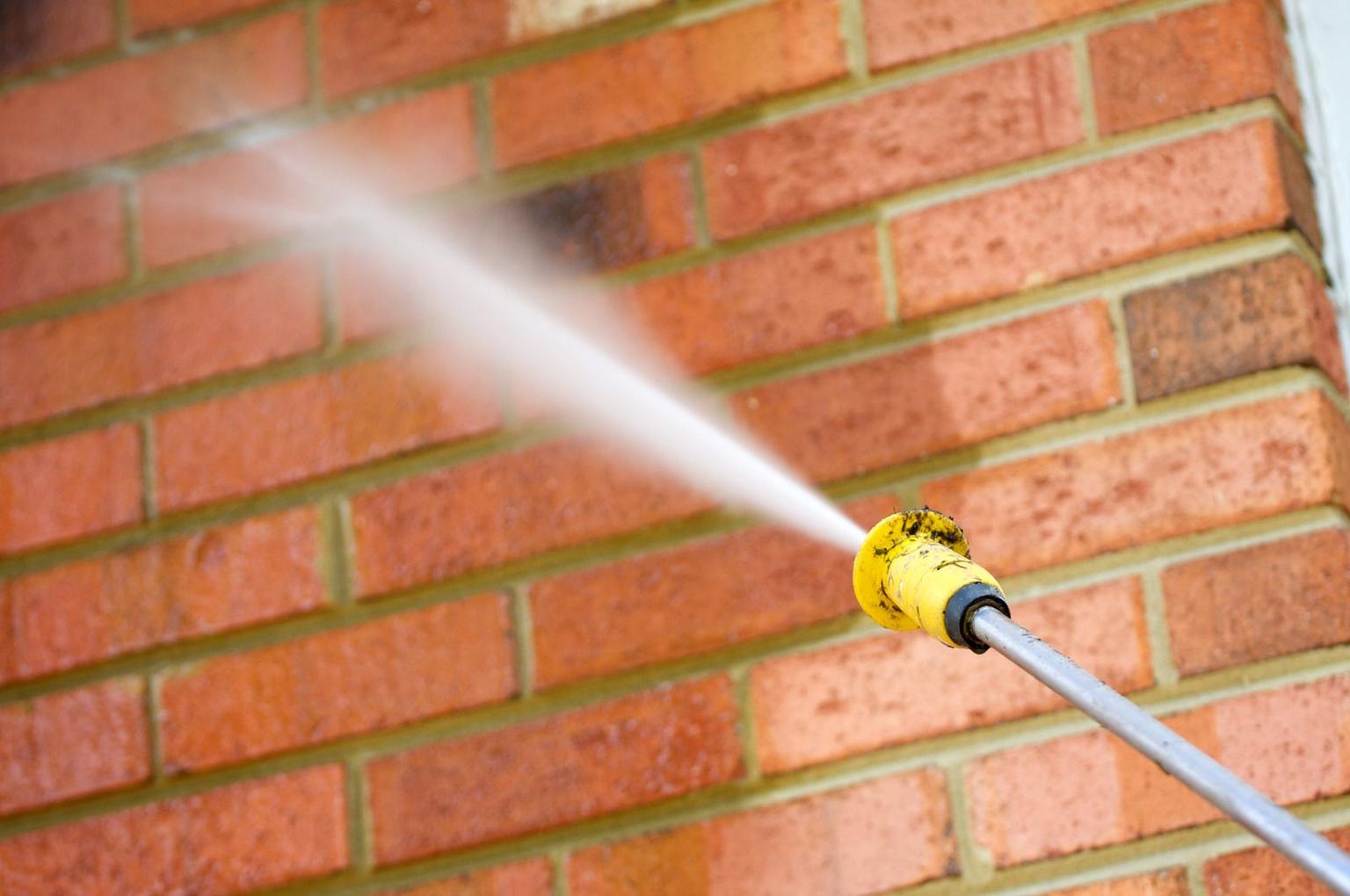
Not every surface can handle the same pressure. Use the right setting for each material. Concrete, pavers, brick, and wood all react in different ways, and the wrong pressure can damage the surface or loosen paver joints.
Allow Drying Time Before Putting Up Decorations or Lights
Plan pressure washing early enough so each surface has time to dry fully before decorations or lights go up. If you're handling both pressure washing and professional Christmas light installation, ViewCrew Services can coordinate the work on one schedule.
Unwashed vs. Pressure-Washed Surfaces Before Seasonal Displays
Comparison Table: Unwashed Surfaces vs. Pressure-Washed Surfaces
A side-by-side look makes the difference pretty clear. And once the surface is fully dry, it stands out even more.
| Feature | Unwashed Surfaces | Pressure-Washed Surfaces |
|---|---|---|
| Display Impact | Dull, stained surfaces with organic growth; seasonal décor looks muted against dark, dirty backgrounds | Brighter, cleaner surfaces with better contrast; seasonal colors and lights stand out clearly |
| Slip Risk | High - algae, moss, and slime buildup on walkways and patios | Low - slippery organic buildup is removed, improving traction and safety |
| Installation | Grime and debris make installation harder | Clean base for easier installation |
Summary: Clean Surfaces Make Seasonal Displays Look Better and Feel Safer
Stains, algae, and grime drag down curb appeal and add slip risks. Residential pressure washing gives you a clean base, so seasonal displays look brighter, feel safer, and are easier to install. Companies such as ViewCrew Services offer house washing as part of that same seasonal prep, treating siding and hard surfaces with the method that fits each one.
FAQs
How long should I wait after pressure washing before decorating?
Wait until the area is fully dry before you set up seasonal yard displays. In most cases, that takes 24 to 48 hours.
Giving the surface enough time to dry helps prevent trapped moisture, which can affect your display or the material underneath. If you're planning to apply sealants or coatings, check the forecast first and make sure no rain is expected for at least 24 hours after application.
Can pressure washing damage pavers, brick, or wood?
Yes. If pressure washing is done the wrong way, it can damage pavers, brick, and wood.
The main problem is too much pressure or using the wrong spray method. That can chip surfaces, wear away joint sand, leave marks, or drive water where it shouldn’t go.
For brick and wood, low-to-medium pressure - about 100 to 400 psi - or soft washing is often enough to clean the surface without stripping coatings, forcing water behind siding, or damaging the material itself.
Should I pressure wash before every seasonal display?
Not always. Pressure washing can make your home look cleaner and get it ready for decorations, but how often you should do it depends on the surface and its current shape.
If you use high pressure too often, you can wear down or damage certain materials. For more delicate spots, like siding or roofs, pros may suggest soft washing instead. ViewCrew Services can help you figure out the safest approach for your home.