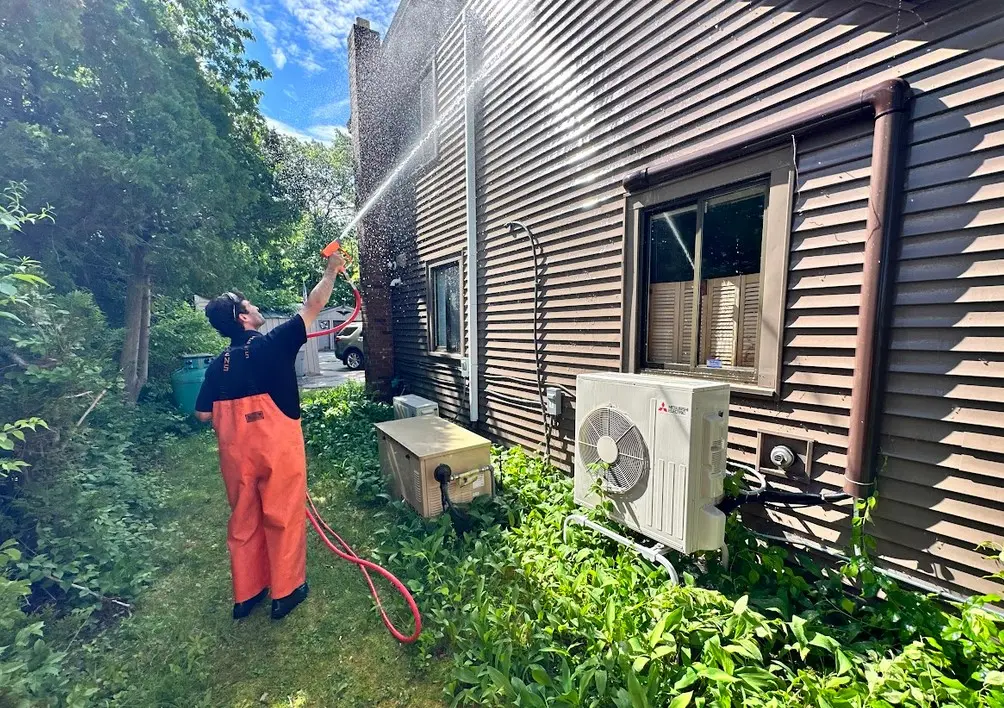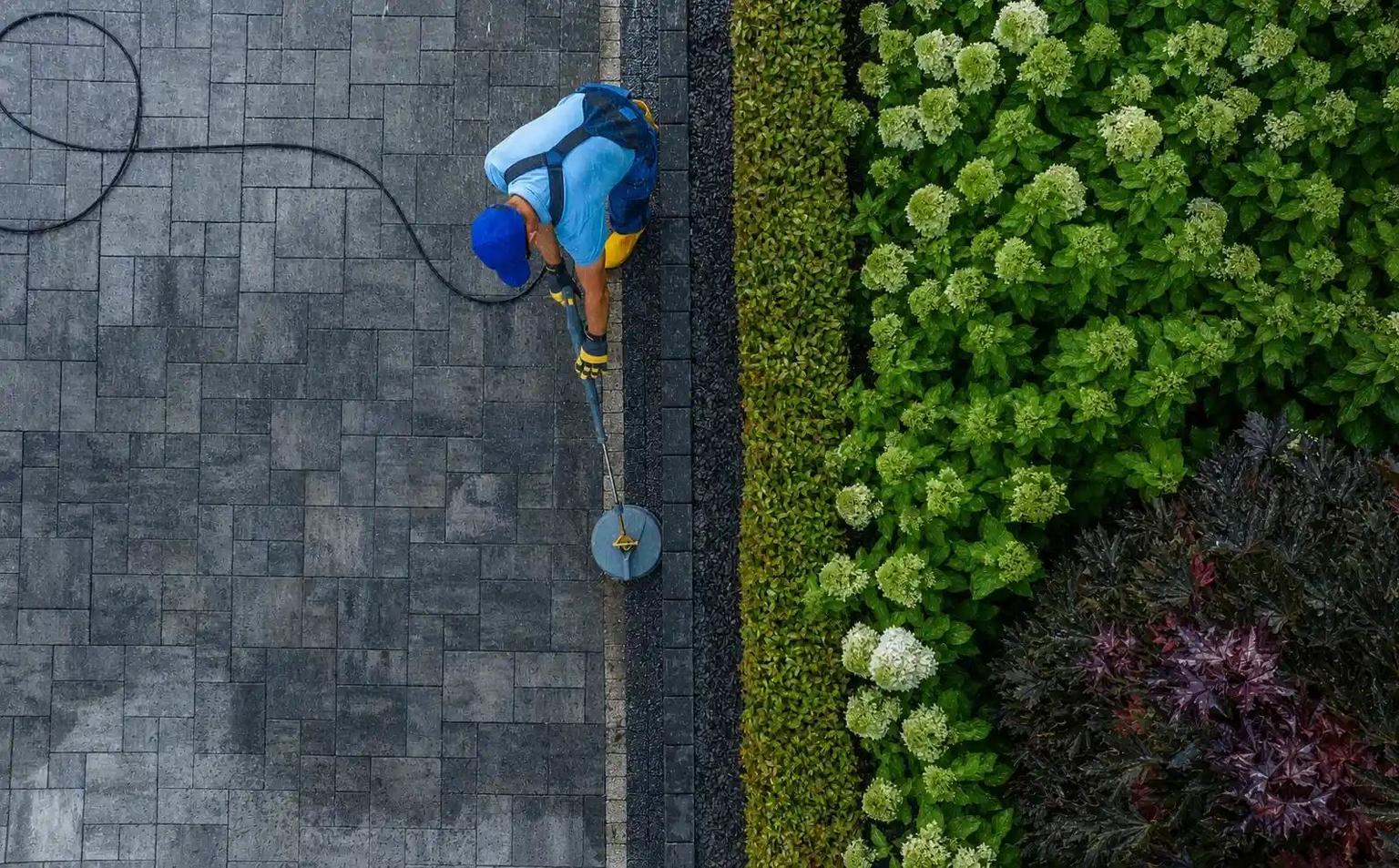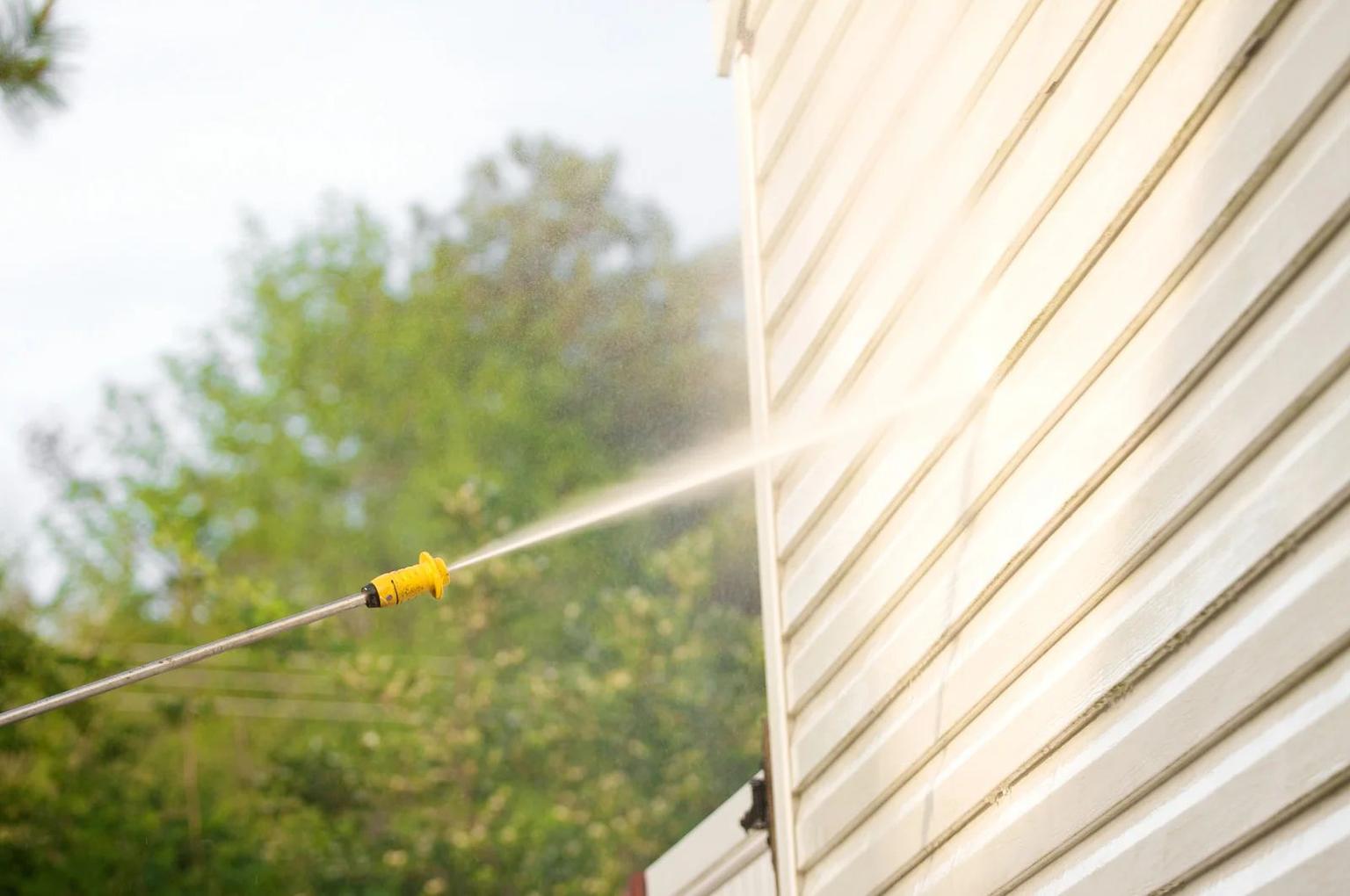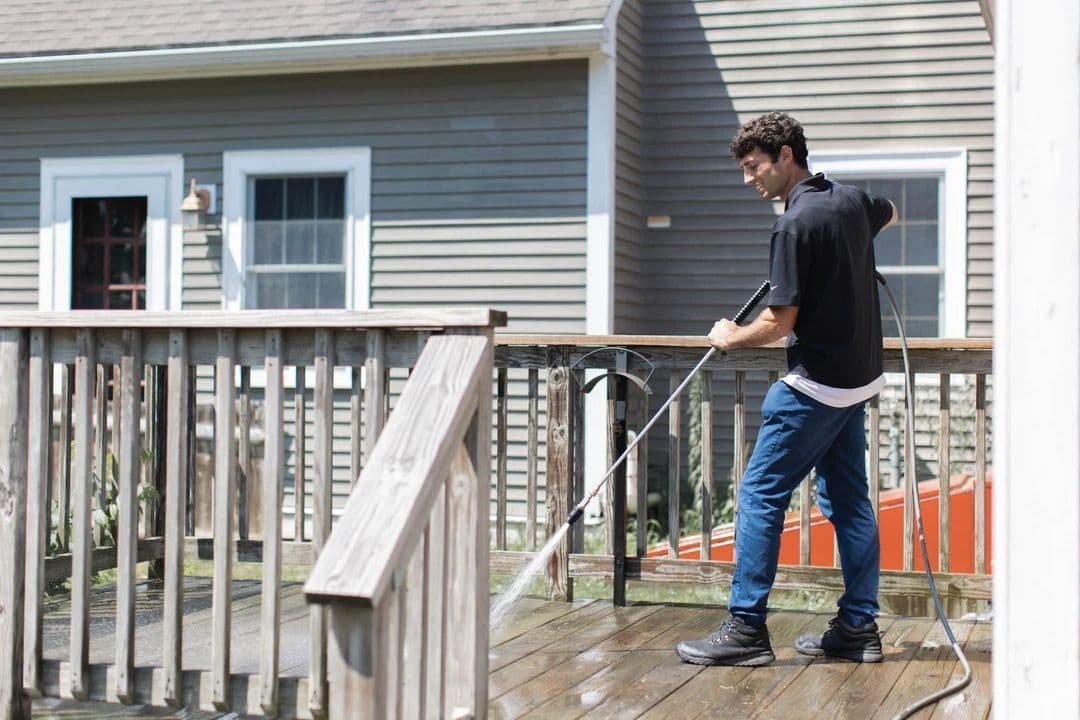
Yes - power washing can help your home sell better, but mostly by improving how buyers judge it at first glance.
It does not change your roof, siding, or structure. But it can make your home look cared for, which can affect offers, repair credit requests, appraisal notes, and days on market. Homes with strong curb appeal can sell for about 7% more, and some buyers may lower offers when they see roof streaks, dirty siding, or stained concrete.
Here’s the short version:
- Power washing helps most before selling
- Dirty roofs, siding, driveways, decks, and walkways hurt buyer confidence
- Cleaning is often low-cost, with house washing around $300–$800 and roof soft washing around $400–$700
- Soft washing is safer for roofs and siding
- If your home already looks clean, the gain is mostly appearance and upkeep, not price
Best use cases usually include:
- Black roof streaks or moss
- Mildew or algae on siding
- Oil stains or salt buildup on concrete
- Dirty patios, decks, or fences shown in listing photos
Quick Comparison
| Situation | Likely Effect on Buyers | Likely Effect on Value | Best Move |
|---|---|---|---|
| Heavy visible grime before listing | Buyers may assume poor upkeep | Can lead to lower offers or credits | Clean before photos and showings |
| Roof streaks or moss | Buyers may worry about roof age | May affect negotiations or appraisal comments | Use roof soft washing |
| Dirty driveway or walkway | Weak first impression | May hurt curb appeal | Pressure wash concrete |
| Clean home not listed for sale | Little change in buyer response | Mostly no short-term price change | Treat as routine upkeep |
If stains stand out from the street or in photos, buyers will notice them fast - and that is where exterior cleaning can make the biggest difference.
sbb-itb-238bf3c
Why dirty exterior surfaces can lower buyer confidence
Buyers usually make their first judgment before they step inside. And that first judgment often lands on the most visible parts of the home: the roof, siding, and the path to the front door.
Problem areas buyers notice first
The spots that tend to hit buyer confidence hardest are the ones that show up right away in listing photos and from the street: the roof line, the main façade, and the driveway-to-front-door path.
- Roofs with dark algae streaks or moss patches can make buyers start doing mental math on roof costs, even when the shingles are still in good shape.
- Siding covered in mildew, algae, or chalky buildup can look like neglect, even when the structure underneath is fine.
- Driveways and walkways with oil stains, tire marks, or ground-in grime can hint at poor upkeep and may push buyers to cut their offer or walk away.
- Decks, patios, and fences with mossy boards or black-green growth on wood or concrete can spark concerns about moisture and wear.
These are usually the areas where cleaning changes perception the fastest.
How visible grime can lead to lower offers or repair credits
Dirty exteriors often shape the offer itself. When buyers see signs of neglect, they may lower what they’re willing to pay to cover what they assume they’ll need to spend. Or they come back after inspection asking for repair credits, even when the issue is mostly cosmetic.
Appraisers may give a home a more conservative condition score when they see stained siding, a streaked roof, or oil-stained concrete. That can hold down the appraised value even if the home’s main systems are sound. In worse cases, agents have said that dirty or worn exteriors can cut market value by 10% to 20% or more.
Homes with strong curb appeal sell for about 7% more than similar homes with weaker exteriors, and that gap can get even larger in slower markets. That’s why power washing has the most impact in the places where buyers judge condition at a glance.
How power washing can support resale value
Cleaning gets rid of the visual cues of neglect that can drag down offers or lead buyers to ask for repair credits. People notice those cues fast. When a home looks cared for, buyers often feel better about what they're seeing - and that can shape what they're willing to pay.
This tends to matter most on the parts of the property buyers notice right away.
A professional exterior wash in Massachusetts can cost a few hundred dollars. For many sellers, that's a fairly low-cost way to improve how the home looks before it hits the market.
Where cleaning makes the biggest difference
The biggest impact usually comes from the surfaces buyers see first: the front exterior, siding, entry paths, driveways, patios, decks, roofs, and fences. These are the areas that set the tone. A clean exterior suggests upkeep. Stains, streaks, algae, or salt buildup can do the opposite.
It doesn't stop at the front of the house. Decks, patios, and fences also shape how people judge the property. Moss-covered boards or blackened concrete can hint at moisture issues and make the home feel less cared for. Cleaning helps remove that doubt before it starts.
Perceived value vs. appraised value
This shows up most when buyers are judging the home's condition from the street or during a walk-around. Power washing usually doesn't change the home's actual features, but it can improve how its condition is judged by removing visible staining and buildup.
Why New England homes often benefit more from exterior cleaning
In New England, local conditions can make exterior cleaning matter even more. Homes in Massachusetts, Southern New Hampshire, and Connecticut deal with winter road salt, coastal salt air, heavy tree shade, and spring pollen. Those conditions can speed up algae, mildew, and organic staining on siding, roofs, concrete, and pavers.
When power washing adds measurable value and when it is mostly cosmetic
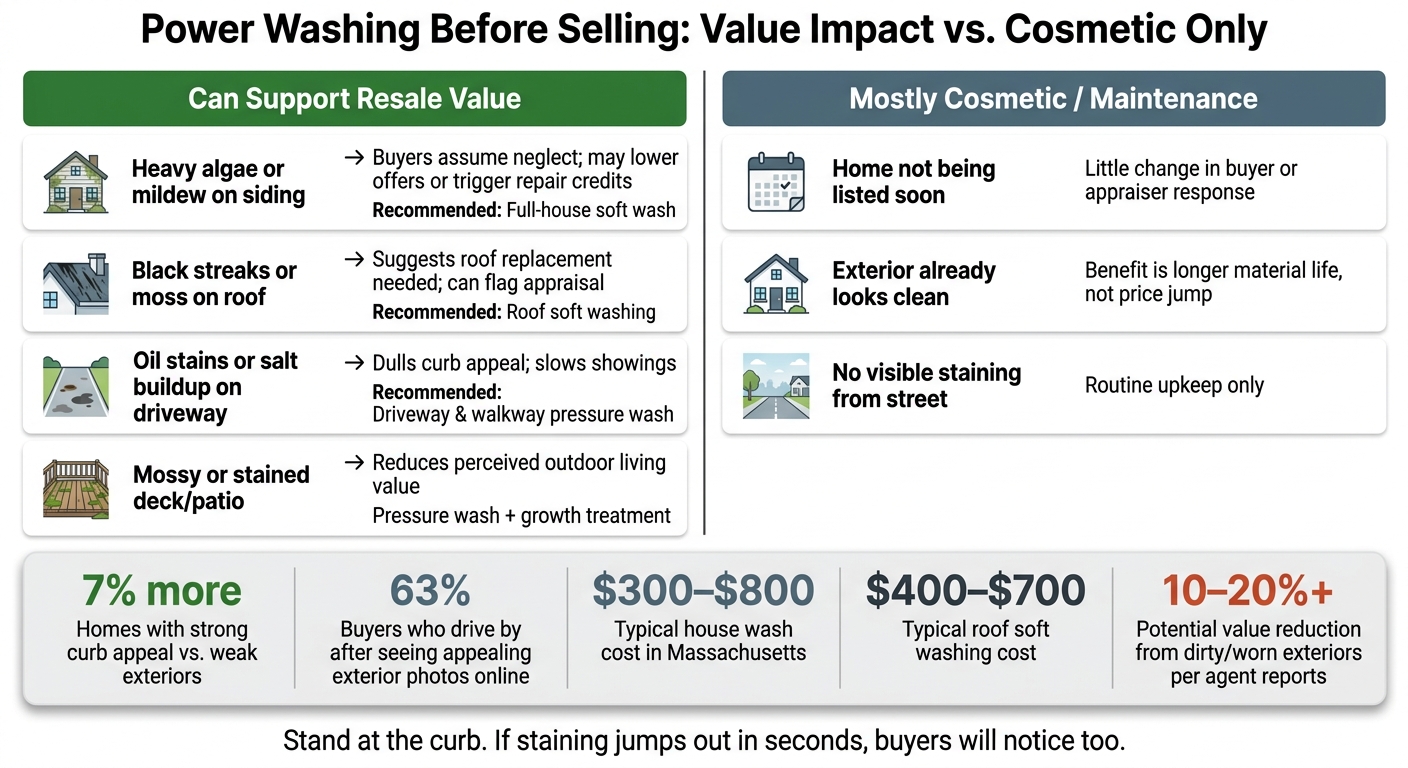
Power Washing Before Selling: When It Affects Value vs. When It's Just Cosmetic
Not every home gets the same payoff from exterior cleaning. In most cases, it comes down to one simple thing: how much visible grime is hurting first impressions.
In New England, that gap tends to be bigger. Salt, shade, and seasonal moisture make buildup show up faster, so a home can start looking worn even when the structure itself is in good shape.
Situations where cleaning can support price, appraisal, or days on market
The clearest case for power washing is a home that’s about to go on the market. This matters even more when stains are easy to spot from the street or show up in listing photos.
A NAR-linked survey found that 63% of buyers will drive by a property after viewing it online if the exterior looks appealing. Cleaner photos don’t just make the home look nicer. They can help bring in more showings and, from there, more buyer interest.
Clean surfaces also make a home feel cared for instead of ignored. That can help during negotiations and cut down on repair-credit pressure.
Situations where the benefit is mainly appearance and upkeep
If the home isn’t being listed soon, or the exterior already looks clean, power washing is mostly a maintenance job. It helps stop algae and mildew from wearing down paint, sealants, and roofing materials over time, but it usually won’t change what a buyer or appraiser would pay today.
In that case, the return is longer material life and a cleaner appearance, not an instant jump in market value.
Use this quick comparison to judge whether cleaning is more likely to affect resale or mostly support day-to-day upkeep.
Comparison table: value-supporting cases vs. cosmetic-only cases
| Exterior Condition | Likely Impact on Perceived Value | Possible Resale/Appraisal Effect | Recommended Cleaning Scope |
|---|---|---|---|
| Heavy algae or mildew on siding | High - buyers assume neglect or hidden damage | May lead to lower offers or repair credit requests | Full-house soft wash |
| Black streaks or moss on roof | High - suggests roof may need replacement | Can trigger repair credit requests or appraisal flags | Roof soft washing |
| Oil stains or salt buildup on driveway | Moderate - dulls curb appeal and listing photos | Affects first impressions; may slow showings | Driveway and walkway pressure wash |
| Mossy or stained deck/patio | Moderate - safety concern; makes outdoor space feel unusable | Reduces perceived value of outdoor living areas | Pressure wash + growth treatment |
Timing matters, but so does the method. If the goal is resale, appraisal support, or fewer objections from buyers, the right type of cleaning can make the difference between “looks fine” and “looks neglected.”
Stand at the curb and look at the house for a few seconds. If staining or discoloration jumps out right away, buyers will notice it too.
Professional cleaning as a smart home maintenance investment
If cleaning can help resale, the method matters just as much as the end result.
Why method matters: pressure washing vs. soft washing
The right approach helps protect the value you’re trying to add. High pressure works best on concrete, brick, and stone. Soft washing is the safer pick for siding, shingles, and painted wood.
That difference matters more than many homeowners think. Soft washing tends to last longer on siding and roofs than high-pressure cleaning, which often needs to be done again within 6–12 months.
The price gap is small next to the cost of repairs. In Massachusetts, a house wash usually runs $300–$800, and roof soft washing usually costs $400–$700. If the wrong method damages the surface, the repair bill can be much higher.
How ViewCrew Services helps homeowners prepare and maintain their exterior

ViewCrew Services offers house washing, roof cleaning, paver sealing, and deck and patio cleaning through professional, insured technicians. Its soft washing service also comes with a 1-year warranty against organic regrowth.
Conclusion: clean exteriors can change what buyers are willing to pay
When it’s done the right way, exterior cleaning supports curb appeal and helps protect the surfaces buyers notice first. Clean exterior surfaces also cut down on the look of neglect, which can make buyers pause or ask for repair credits.
FAQs
How much value can power washing add?
Regular pressure and soft washing can boost a home’s resale value by up to 14%. On the flip side, a neglected exterior can drag that value down by as much as 10%.
And this isn’t just about curb appeal. Professional cleaning helps protect your investment by clearing away mold, algae, and grime before they lead to long-term damage. Soft washing can also add 5 to 10 years to a roof’s lifespan.
Should I power wash before listing my home?
Yes - it’s smart to think about professional exterior cleaning before you list your home.
A clean exterior can improve curb appeal and shape how buyers see the property from the moment they pull up. That first look matters more than most sellers expect, and it can help boost resale value by up to 10%.
On the flip side, grimy siding, oil-stained driveways, and streaky roofs can make buyers think the home hasn’t been cared for. Even if the inside is in good shape, the outside can tell a different story.
That’s where pros help. They use the right cleaning method for each surface, so your home looks better without the risk of damage. In plain terms, they know when to use pressure washing, when to go gentler, and how to clean problem areas the right way.
What surfaces should be soft washed instead?
Soft washing works best on surfaces that don’t hold up well under high-pressure water. It’s a safer fit for roofs, vinyl siding, wood paneling, cedar shake, stucco, painted exteriors, gutters, and soffits because it helps cut down the risk of damage, water intrusion, and surface erosion.
It’s also the better choice for delicate areas like windows, screens, and wood decks or fences. The lower-pressure approach helps protect wood fibers and cut down the chance of breakage.