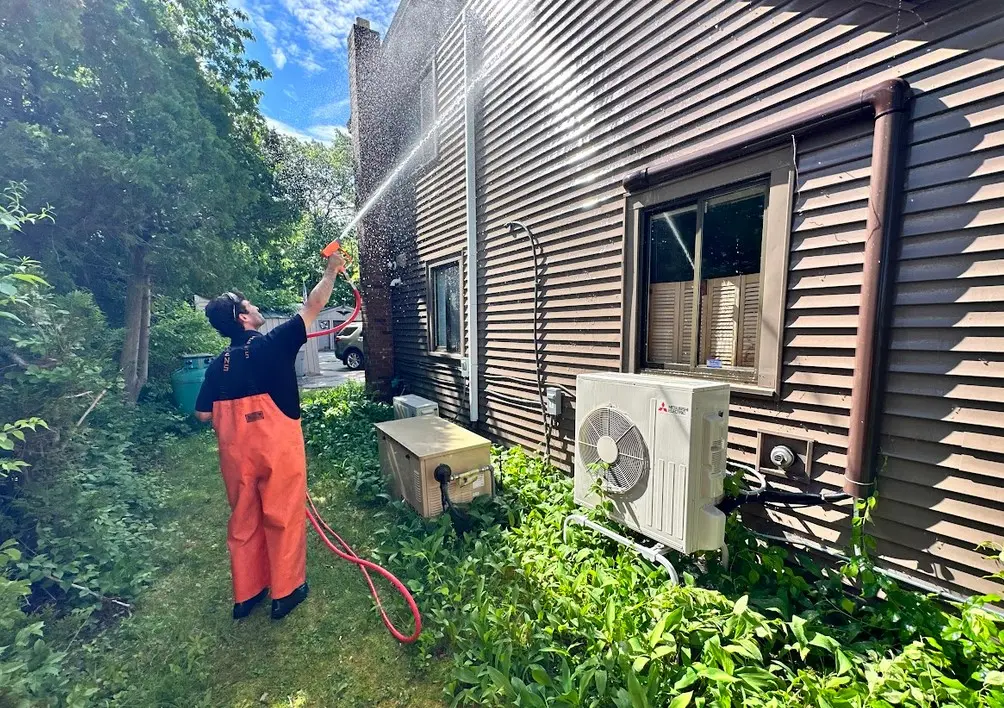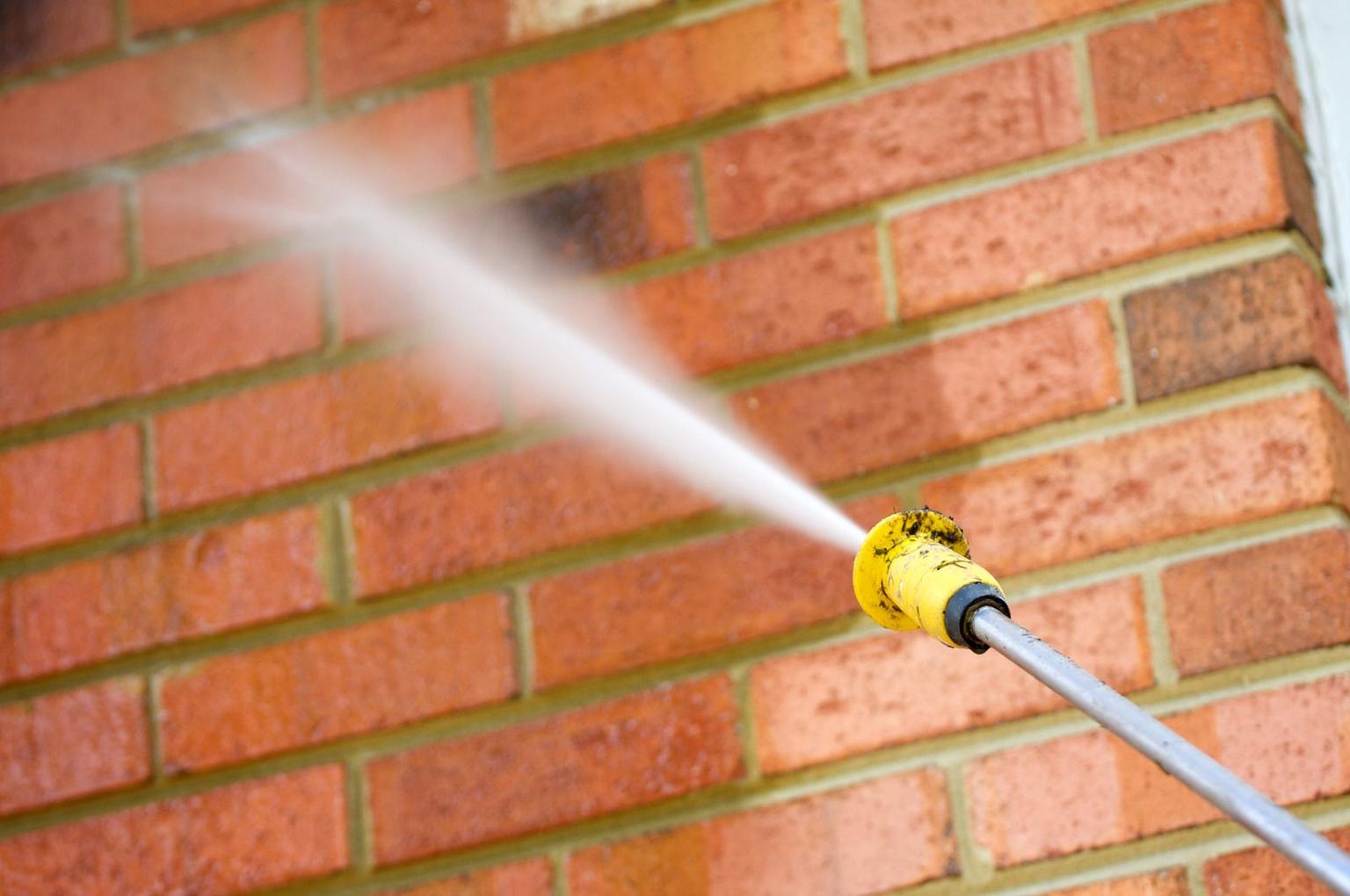
In Weymouth, many homes need washing more often than the usual 12–24 months because salt air, shade, and damp conditions help grime stick faster.
If you're planning house washing service, here's the short answer: you can expect an inspection, prep around plants and outdoor items, a soft wash with dwell time, a rinse, and a final walkthrough. You should also expect timing to depend on your home's exposure, not just the calendar. Homes near water, under trees, or on shaded lots often need attention closer to every 12–18 months.
Before service, you should:
- Close and latch windows and doors
- Move furniture, toys, and planters 15–20 feet from the house
- Keep kids and pets indoors
- Point out loose siding, weak trim, or delicate plants
- Check that the outdoor spigot works
You should also know what standard washing usually covers:
- Siding
- Surface mold, mildew, and algae
- Rinsing of nearby exterior areas hit during the wash
And what it usually does not cover:
- Repairs
- Painting
- Gutter cleaning
- Roof cleaning
- Deck, patio, or separate window cleaning
One more thing: washing removes surface buildup, but it does not fix moisture problems, failed caulk, loose siding, or drainage issues. If staining keeps coming back in the same area, the cause is often shade, runoff, sprinkler spray, or poor airflow.
| Topic | What you should expect |
|---|---|
| Visit steps | Inspection, prep, cleaning solution, dwell time, rinse, spot work, walkthrough |
| Best time to schedule | When you see green film, dark spots, haze, or salt residue |
| Typical timing | About 12–24 months in mild exposure; often 12–18 months in Weymouth |
| Faster buildup areas | North-facing walls, shaded sides, spots under gutters, walls near shrubs |
| Problems washing won't fix | Water intrusion, damaged siding, peeling paint, loose fixtures |
The rest of the article breaks down each step so you know what happens before, during, and after a house washing visit in Weymouth.
Why Weymouth Homes Build Up Exterior Grime Faster
Some Weymouth homes get dirty faster than others. The pace depends on how close the house is to open water, which way the wind hits, the type of siding, the amount of landscaping nearby, and how well water drains away.
Still, the coastal setting gives grime, organic growth, and staining more chances to stick around.
How Humidity, Salt Air, and Shade Speed Up Staining
Salt air from Boston Harbor, the Weymouth Back River, and the Fore River can leave a light residue on siding, trim, and railings. That residue can hold moisture against the surface and collect dust and pollen at the same time. When that happens, dark organic staining has an easier time showing up.
Shade makes things worse. North-facing walls and areas tucked behind trees or thick shrubs dry more slowly than parts of the home that get direct sun. And that slower drying often shows up in plain sight: green staining, dark spotting, or a dull, hazy film across the siding.
Visible Signs That Your Home May Need Cleaning
Walk around every side of the house on a dry day, not just the front. A wall can look fine from the driveway and still have buildup on the back or shaded side.
Common signs include:
- Green film on siding
- Dark spotting near shaded areas
- Chalky residue that looks like dried salt
If the same spot keeps staining over and over, it’s smart to check the cause before booking service. Look at gutters, downspouts, sprinklers, and nearby plants. In many cases, the staining isn’t random. Water runoff, overspray, or trapped shade can keep feeding the problem.
The table below shows where buildup tends to collect and what usually causes it:
| Area | Common buildup | Likely reason |
|---|---|---|
| North-facing wall | Green algae, dark spotting | Less sun, slower drying |
| Wall beneath trees or shrubs | Organic film, green staining | Shade, leaf litter, limited airflow |
| Below gutters or downspouts | Brown or black vertical streaks | Repeated water flow carrying dirt down |
| Water-facing or water-exposed elevation | Salt film, haze, dull finish | Greater exposure to sea air |
| Wall beside dense landscaping | Localized green film, dirt | Persistent moisture, reduced airflow |
These patterns help shape the inspection and prep work that comes next.
sbb-itb-238bf3c
What Happens Before and During a House Washing Visit
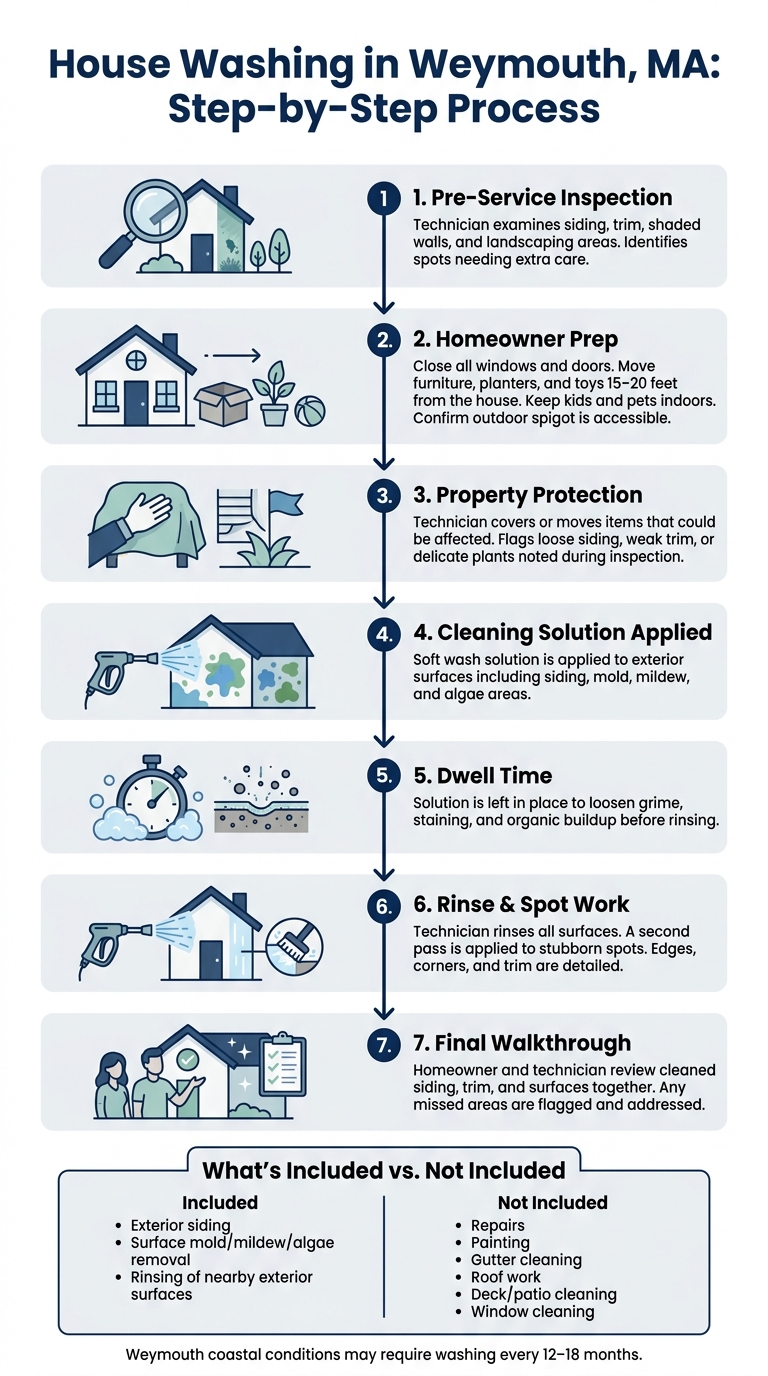
House Washing Process: What to Expect Step by Step
Once grime and staining show up, the house washing visit tends to follow a pretty standard flow. The steps are straightforward, and each one helps the crew clean the home while avoiding damage to the property.
Pre-Service Inspection and Property Protection
Before cleaning starts, the technician looks over the siding, trim, shaded walls, and areas near landscaping. They may also cover or move items that could be affected during the wash.
This first check helps the crew spot areas that need extra care and decide where to start. It also helps them figure out how to protect plants, outdoor items, and other parts of the property before any cleaning solution is used.
Cleaning, Dwell Time, Rinsing, and Detailing
Next, the cleaning solution is applied to the exterior surfaces and left in place for a short dwell time. That gives it time to loosen grime and staining before the rinse.
After that, the technician rinses the surface. If a few spots are still hanging on, they may need a second pass. Once the main cleaning is done, the technician details the edges and trim, then checks corners, edges, and trim again before wrapping up.
Final Walkthrough and What to Expect After Service
The visit ends with a walkthrough of the siding, trim, and other cleaned areas. This gives you a chance to look over the results with the technician and point out anything that may have been missed.
How to Prepare Your Home and Understand What's Included
What to Do Before Service Day
A little prep before service day helps protect your home's exterior and keeps the job moving without hiccups.
Close and latch every window and door. Move outdoor furniture, planters, decorations, and toys 15–20 feet away from the house. It also helps to clear walkways so technicians can reach the exterior walls without weaving around obstacles.
Check that the exterior spigot is easy to access and working. Also take a quick look at exterior electrical outlet covers and make sure they're closed and in good shape before washing begins.
Children and pets should stay indoors during the visit.
In Weymouth, damp weather and salt air can be rough on home exteriors. Because of that, it's smart to point out any loose siding, loose fixtures, or delicate landscaping during the inspection. That gives the technician a heads-up and helps them work around trouble spots. Those small steps can make the visit cleaner and faster.
What House Washing Covers
Standard house washing usually focuses on exterior siding and nearby outdoor surfaces. That scope matters because it helps set clear expectations before service day.
| Included in Standard House Washing | Not Included / Separate Service |
|---|---|
| Exterior siding (vinyl, wood, etc.) | Structural repairs or siding replacement |
| Removal of surface mold, mildew, and algae | Painting |
| Rinsing of nearby exterior surfaces reached during the wash | Gutter cleaning |
| Standalone window cleaning (interior/exterior) | |
| Deck or patio cleaning | |
| Roof work |
Some issues fall outside a standard wash. Roof streaks, siding oxidation, and buildup on decks or patios usually call for separate services. With prep and scope clear, the next question is how often Weymouth homes need washing.
When to Schedule Washing and What to Keep in Mind
How Often Weymouth Homes May Need Washing
Now that the washing process is clear, the next piece is timing. And here’s the big idea: there isn’t one fixed schedule that fits every Weymouth home. The right timing depends on exposure, not just the date on the calendar.
A common starting point is washing every 12–24 months in moderate conditions. But in Weymouth, salt air, humidity, shade, and poor drainage often cut that window down to 12–18 months, or even less for homes with heavy exposure. Those same coastal conditions - salt film, damp air, and long periods of shade - are what make buildup show up sooner.
In other words, the factors that cause grime and algae are usually the same ones that shorten the time between cleanings. The table below helps match those conditions to a more realistic schedule.
| Exposure Factor | Likely Effect on Scheduling |
|---|---|
| Open, sunny lot with limited vegetation | Slower buildup; inspect annually, wash on an approximately 12–24-month cycle. |
| Moderate shade or mature landscaping | More persistent dampness; plan on annual inspection and likely annual cleaning. |
| Heavy shade or dense tree cover | Faster algae, mildew, pollen, and sap accumulation; inspect in spring and fall. |
| Coastal or oceanfront exposure | Salt deposits and storm exposure can shorten the interval; annual service or a spring-and-fall schedule may be needed. |
| Existing siding damage or moisture issues | Fix the underlying problem before treating washing as routine maintenance. |
Your siding type matters too. For instance, James Hardie recommends cleaning fiber cement siding every 6–12 months and following the care instructions for the exact product installed. If your siding came with a maintenance guide, check that first before settling on a schedule.
A simple way to handle this is to inspect the home in spring and fall, then book washing when you see staining, algae, salt film, or grime. If the house sits close to the water or stays shaded for much of the day, it often makes sense to move sooner.
Key Takeaways for Weymouth Homeowners
Use the timing guidance above as a baseline, then adjust it to your home’s conditions. Weymouth’s coastal climate can make exterior buildup happen faster, so a schedule that works on a dry, open lot may fall short here.
A few points matter before and after service:
- Preparation matters. Spotting pre-existing damage before the technician arrives helps the visit go more smoothly and keeps weak areas documented.
- Washing doesn't fix underlying problems. Cracked caulk, peeling paint, loose siding, and water intrusion need repair, not cleaning, so they aren’t confused with post-wash damage.
- Schedule based on the home, not the calendar. A shaded north-facing wall under trees may need attention before a full year passes. Let the surface condition guide the timing.
A professional inspection can help set the right interval for the property’s exposure.
FAQs
How long does house washing usually take?
House washing time depends on a few main things: your home’s size, how much exterior surface needs cleaning, and how dirty or hard-to-reach those areas are.
Since every property is a little different, a professional estimate should spell out the timeline clearly, including the expected start time and finish time.
Will house washing harm my plants or landscaping?
Not if it’s done the right way.
ViewCrew Services helps protect plants and landscaping by pre-wetting nearby vegetation with fresh water before cleaning starts. If plants need extra care, they may also be covered.
Once the cleaning is done, the area is rinsed again to neutralize the pH and wash away any leftover residue. That extra step helps keep your landscaping healthy and free from harm.
What if stains come back soon after washing?
If stains come back soon after washing, the problem is often moisture or drainage, not the way the surface was cleaned. In Weymouth’s humid coastal climate, algae and mildew can return fast, especially in shaded or damp spots.
Look for pooling water, trapped moisture, poor drainage, or leaks. It also helps to check that the cleaner matches the stain, because the wrong product may fail to remove spores at the source.