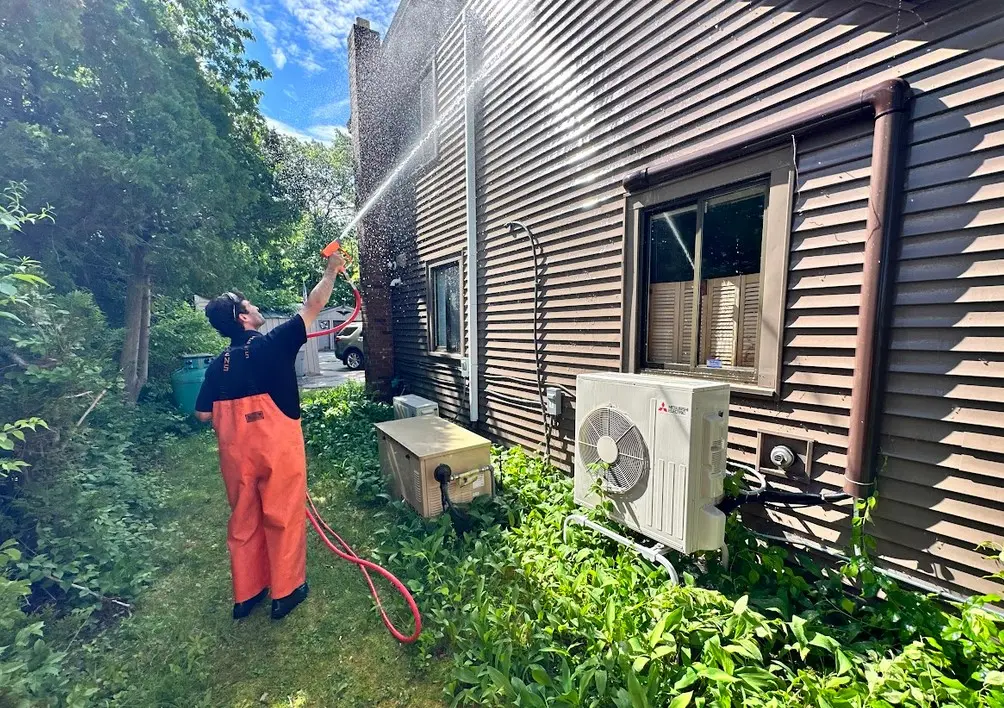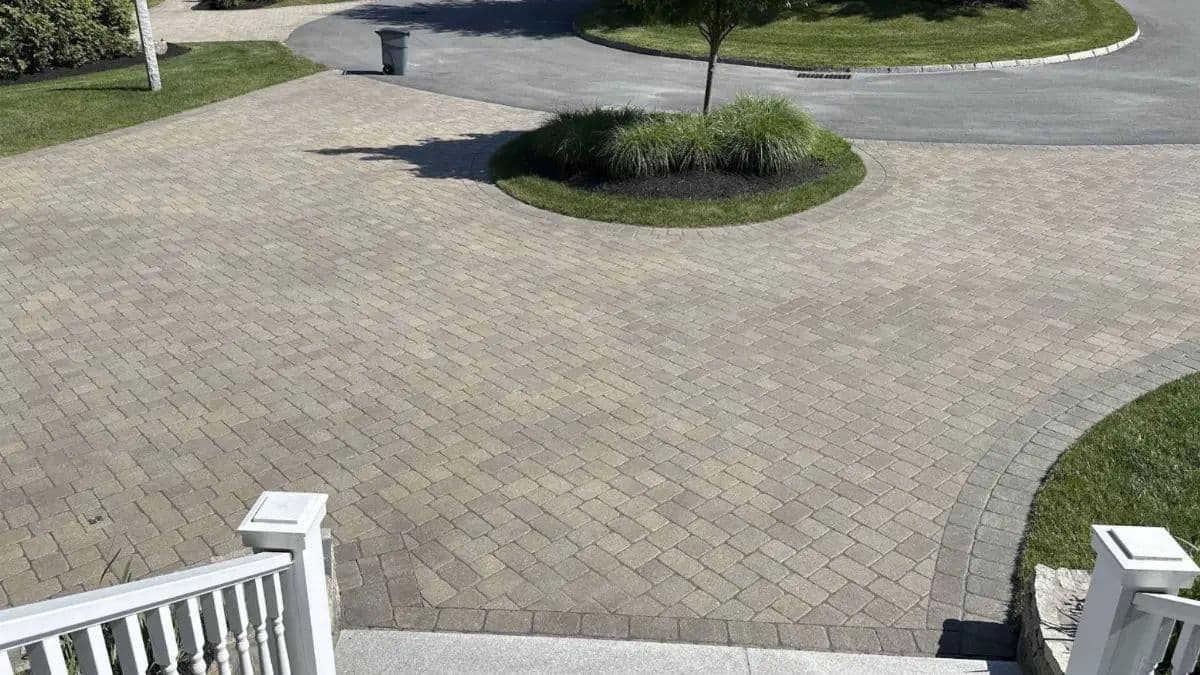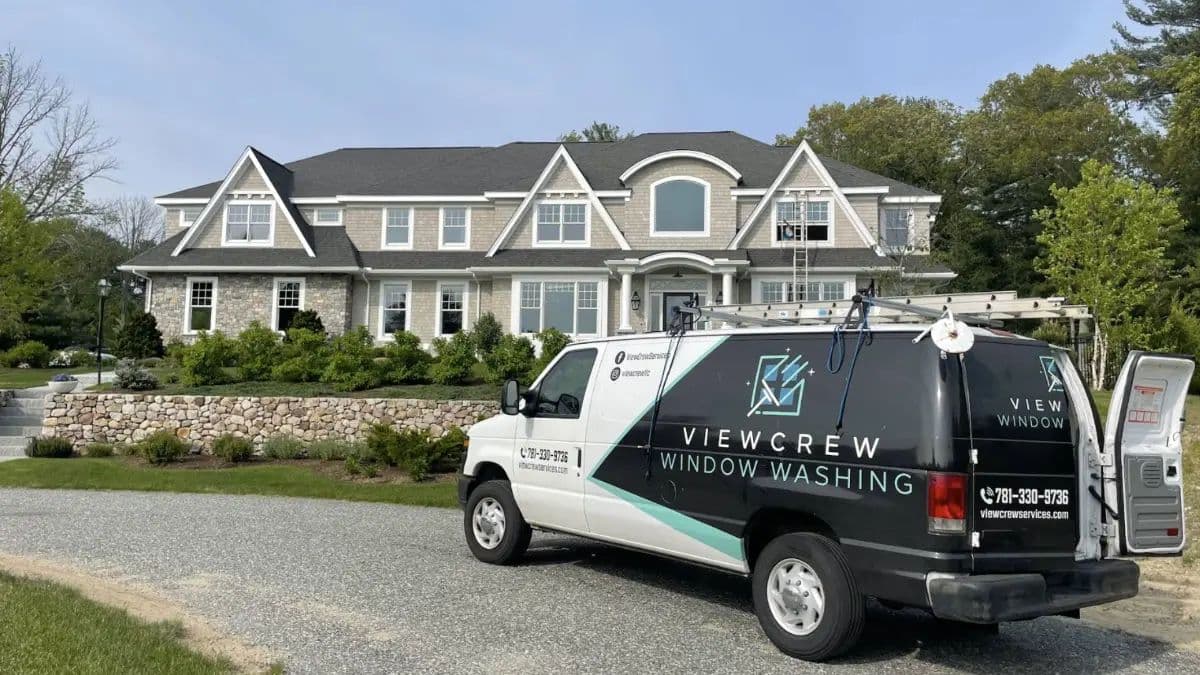
After winter, your home's exterior may show signs of damage from freezing temperatures, snow, and ice. Spring is the perfect time to clean and inspect your property to prevent costly repairs and restore its appearance. Here's a quick guide to get started:
- Inspect for Damage: Check the roof, gutters, siding, foundation, and attic for cracks, leaks, or moisture issues.
- Gather Tools: Use essentials like gloves, ladders, pressure washers, and cleaning solutions (e.g., vinegar, bleach).
- Clean Driveways and Walkways: Pressure wash to remove dirt, oil, and salt stains.
- Gutter Maintenance: Clear debris to prevent water damage and ensure proper drainage.
- Prepare Outdoor Spaces: Wash decks, patios, and furniture, and reseal surfaces if needed.
- Hire Professionals: For tasks like roof cleaning, upper-story windows, or large-scale projects, consider expert services for safety and efficiency.
Spring cleaning not only improves your home’s curb appeal but also protects its structure. Whether tackling tasks yourself or hiring professionals, staying proactive helps maintain your property for the warmer months ahead.
Spring Cleaning Tips for Home Exteriors | Today's Homeowner with Danny Lipford
sbb-itb-238bf3c
How to Prepare for Exterior Cleaning
Before diving into exterior cleaning tasks, take a walk around your property to assess its condition. Winter's freeze-thaw cycles can leave behind cracks, loosen shingles, or damage gutters. This quick inspection can help you prioritize your cleaning and repair efforts.
Check for Winter Damage
Start by examining your roof. Use binoculars to safely spot missing or cracked shingles, nail pops, or damaged flashing. Look for dark streaks, which might indicate moisture problems. Next, inspect your gutters for any sections pulling away from the fascia, bent areas, or separated seams. Vertical water streaks on your siding could also signal gutter issues.
Move on to your foundation. Look for new cracks, especially horizontal ones. If a No. 2 pencil fits into a crack, it’s time to consult a structural engineer. Keep an eye out for white, chalky residue on bricks (efflorescence) or chipping concrete (spalling), as these are signs of moisture damage. Check your siding for warped panels, cracked caulking around vents, or mildew spots in various colors. Don’t forget to inspect windows for condensation between double-pane glass, which often points to a failed seal.
Lastly, head to your attic. Water-stained ceilings, damp insulation, or frost on nails and roof decking could mean condensation is trapped inside. Make sure exhaust vents for your furnace, water heater, and dryer are clear of obstructions like snow, ice, or bird nests. To uncover hidden gutter blockages, run a hose through the gutters.
Collect Your Tools and Equipment
Having the right tools on hand makes exterior cleaning safer and more efficient. Gather safety gear like a sturdy ladder, binoculars, gloves, safety goggles, a mask, and slip-resistant shoes. For power tools, you’ll need a pressure washer with a detergent reservoir and extension wand, a leaf blower, and a shop vac. Manual tools like squeegees, microfiber cloths, soft and stiff-bristle brushes, long-handled scrub brushes, buckets, and sponges are also essential. For gutter work, a gutter scoop or trowel, a garden hose with a high-pressure nozzle, and a plumber’s snake can be very helpful.
Prepare your cleaning solutions as well. A mix of 70% water and 30% white vinegar works well for siding, while a solution of 1 part bleach to 4 parts water is effective for mold on nonporous surfaces. Keep mild dish soap, baking soda, and lemon juice handy. Additionally, stock up on repair materials like gutter sealant, caulk, concrete resurfacer, and asphalt sealer.
"Ladders are one essential tool for exterior maintenance, especially for upper floor window cleaning. On the other hand, a pressure washer extension wand can help you with gutter cleaning without having to stand on a ladder."
- Benjamin Murphy, Cleaning Expert, Splash Window Cleaning
For tasks requiring specialized tools or involving heights, consider professional services like those offered by ViewCrew Services. They provide access to professional-grade equipment, ensuring both safety and thorough results. Once you’ve assembled your tools, decide which tasks you can handle and which ones are better left to the pros.
Schedule Professional Services
After assessing your property and gathering your equipment, figure out which jobs require professional expertise. Tasks like upper-story window cleaning, detailed roof inspections, or anything involving high ladders are best left to trained professionals to avoid accidents. If you’ve spotted damaged flashing, missing shingles, or structural issues like deck rot, these also need expert attention.
"Hiring licensed and insured professionals for these tasks not only guarantees good results but also protects you from potential injuries."
Professional help is especially important for delicate surfaces. For example, high-pressure water can harm older vinyl siding or wood, making a soft wash service a safer option. Large-scale projects, such as cleaning all exterior walls or a multi-level home, are more time-efficient and effective when handled by professionals. Companies like ViewCrew Services offer bundled packages for gutter cleaning, window washing, and pressure washing, providing convenience and peace of mind. Always verify that any professional you hire is licensed and insured to avoid liability for injuries or property damage.
Spring Exterior Cleaning Checklist
Get your home’s exterior back in shape after winter with these essential tasks. Here's a step-by-step guide to tackle each area effectively.
Pressure Wash Driveways and Walkways
Start by sweeping the surface to clear debris that could clog your pressure washer. Protect surrounding plants with plastic sheeting, and for stubborn stains like oil or rust, apply a concrete-safe degreaser and let it sit for 10–20 minutes before washing. Use a pressure washer with at least 2,500 to 3,000 PSI and a flow rate of 2.5 to 4 GPM for optimal results. A 25-degree nozzle works well for general cleaning, while a 40-degree nozzle is better for delicate surfaces.
"Cleaning a driveway with water alone is like washing clothes without soap."
- Brian Byersdorf, Owner, Seattle Suds
Work from the highest point downward in steady, overlapping strokes, keeping the nozzle 8–12 inches from the surface to avoid streaks. Rinse thoroughly to remove detergent residue, and let the surface dry for 24–48 hours before applying a waterproof sealer. For larger areas or particularly tough stains, consider hiring professional pressure washing services like those from ViewCrew Services for thorough cleaning and proper water management.
Clean Gutters and Downspouts
Clogged gutters can lead to water damage, including issues with siding, foundations, and landscaping. Accumulated debris can also cause water to back up into the soffit, potentially leading to roof rot and leaks. Spring is an ideal time to clear out leaves, twigs, and sediment left over from winter.
Use a ladder with stabilizers, and wear gloves and safety goggles for protection. Remove debris with a gutter scoop, then flush the gutters with a garden hose, starting from the end farthest from the downspout. If the downspout is clogged, use a plumbing snake to break up the blockage.
"Debris that builds up in your gutters and downspouts can seriously damage your roof if left to itself. It may cause water to back up and get into the soffit and behind you siding and walls."
- Dave Law, Renovations Roofing
While cleaning, check for sagging or loose sections and patch small cracks or holes with silicone sealant. Ensure that downspouts extend 6 to 10 feet away from your foundation for proper drainage. For multi-story homes or severely clogged systems, professional gutter cleaning services from ViewCrew Services can help prevent costly damage.
Inspect and Seal Pavers
Winter’s freeze-thaw cycles can shift and loosen pavers or wear down their sealant. Walk your patio, driveway, or walkway to check for uneven surfaces or missing joint sand. To see if resealing is needed, pour water on the surface - if it absorbs quickly instead of beading up, it’s time for a new coat of sealant.
Clean the area with a pressure washer on a low setting, angling it at 45 degrees to avoid dislodging joint sand. Refill joints with polymeric sand, which hardens with water to resist erosion, stabilize the pavers, and prevent weeds. Let the surface dry completely for 24–48 hours before applying sealer. Use a pump sprayer or roller to apply thin, even coats, choosing between finishes like matte, semi-gloss, or glossy. Avoid foot or vehicle traffic for 24 to 72 hours to allow the sealant to cure. Professional paver sealing services from ViewCrew Services can extend protection for 3 to 5 years.
Wash Exterior Windows
Clean windows brighten your home and improve curb appeal. Start by removing screens and rinsing them with a garden hose. Use a solution of mild dish soap and water to clean the glass. Apply the solution with a sponge or soft cloth, then use a squeegee to wipe from top to bottom, wiping the blade after each pass. Finish by drying the edges with a microfiber cloth to prevent water spots.
For second-story windows, use an extension pole with a squeegee attachment or hire professionals like ViewCrew Services to ensure safety and a thorough clean.
Prepare Your Roof for Warmer Weather
Your roof has likely endured harsh winter conditions. Use binoculars to check for missing or cracked shingles, damaged flashing, or signs of algae and moss. Trim overhanging branches to prevent debris buildup and potential damage during storms.
If you notice algae or moss, avoid high-pressure washing, as it can harm shingles. Instead, use a soft wash treatment with a gentle cleaning solution to safely remove organic buildup. Walking on the roof is risky and can cause damage, so leave this task to trained professionals when needed.
ViewCrew Services provides expert roof cleaning with safety equipment and techniques that help extend the life of your roof and prevent expensive repairs.
More Exterior Maintenance Tips
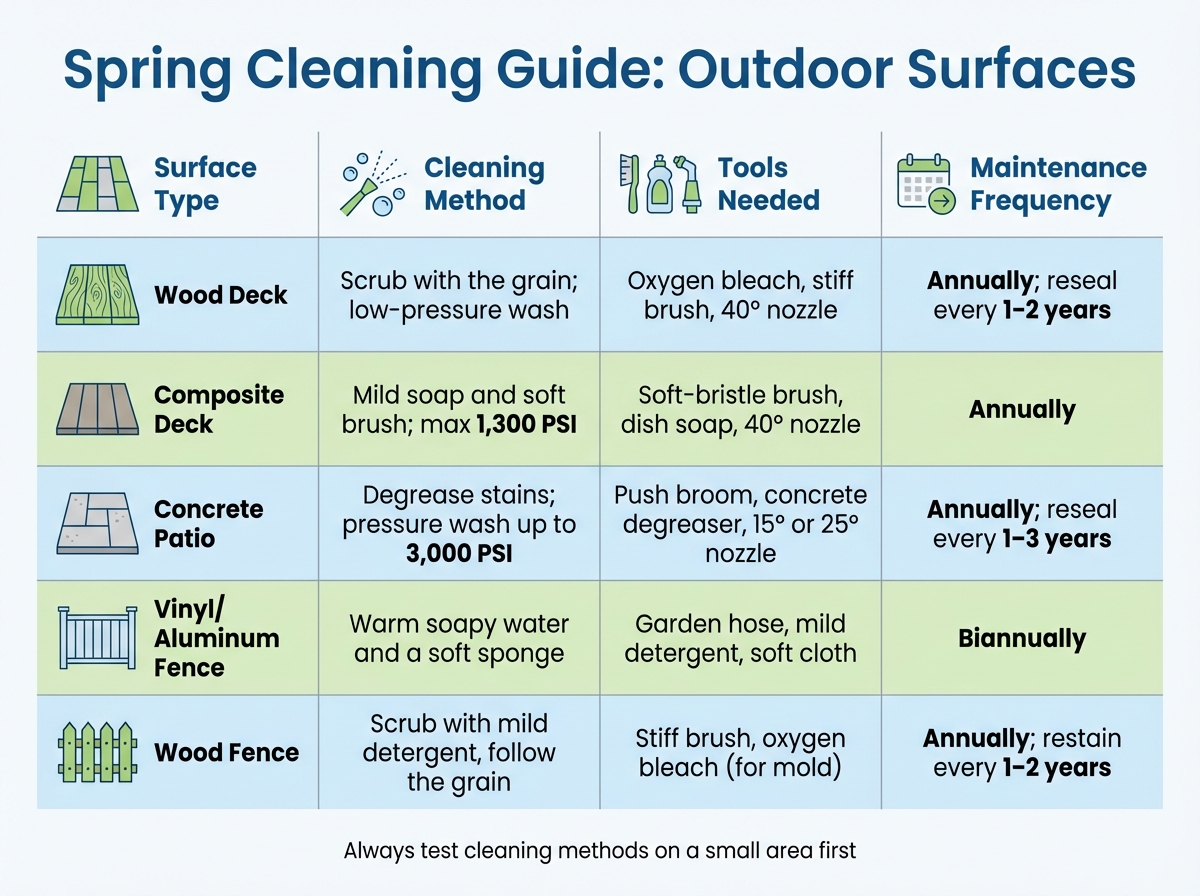
Spring Cleaning Guide for Different Outdoor Surfaces
Once you've tackled your main spring cleaning tasks, it's time to dive into some additional maintenance to keep your outdoor spaces in top shape. These steps help protect your property and get everything ready for the warmer months ahead. Start by focusing on outdoor structures before moving on to furniture and fixtures.
Clean Decks, Patios, and Fences
Take a close look at your decks, patios, and fences for any damage left behind by winter. Check wood for cracks, warping, or splinters, and make sure composite boards and hardware are secure. For paver patios, inspect the joints for sand loss and look for cracks in the foundation. Sweep and vacuum away leaves, twigs, cobwebs, and pollen to clear the surface.
"Due to lack of maintenance during the colder months, patios, porches, and balconies get covered in debris."
- Delah Gomasi, CEO, MaidForYou
For mold or mildew, mix equal parts water and oxygen bleach, let it sit for 10 minutes, scrub, and rinse. Prefer a natural cleaner? Undiluted white vinegar works well - just let it sit for an hour before scrubbing. When using a pressure washer, stick to a fan-tip nozzle and start with low pressure. Keep composite decks under 1,300 PSI and maintain at least a 10-inch distance. Wooden surfaces need even gentler care to avoid damaging the grain.
| Surface | Method | Tools | Frequency |
|---|---|---|---|
| Wood Deck | Scrub with the grain; low-pressure wash | Oxygen bleach, stiff brush, 40° nozzle | Annually; reseal every 1–2 years |
| Composite Deck | Mild soap and soft brush; max 1,300 PSI | Soft-bristle brush, dish soap, 40° nozzle | Annually |
| Concrete Patio | Degrease stains; pressure wash up to 3,000 PSI | Push broom, concrete degreaser, 15° or 25° nozzle | Annually; reseal every 1–3 years |
| Vinyl/Aluminum Fence | Warm soapy water and a soft sponge | Garden hose, mild detergent, soft cloth | Biannually |
| Wood Fence | Scrub with mild detergent, follow the grain | Stiff brush, oxygen bleach (for mold) | Annually; restain every 1–2 years |
For paver patios, refill joints with polymeric sand to keep the surface stable and prevent wear. If you're unsure about pressure washing settings or working with delicate materials, hiring professionals can ensure a thorough job without risking damage.
Once the structural surfaces are sparkling, it's time to shift your focus to outdoor furniture and accessories.
Clean Patio Furniture and Outdoor Fixtures
Start by vacuuming outdoor furniture to get rid of dry debris and avoid stains. Different materials need different care. For HDPE plastic furniture, try a mix of 1 part bleach to 2 parts water with dish soap. Aluminum pieces can be cleaned with mild dish soap, and mineral spirits can help with tough stains. For natural wicker, vacuum first, then gently clean with a mix of vinegar and mild dish soap, being careful not to soak it too much.
If you have wrought iron furniture, brush off rust, apply a rust inhibitor, and finish with weatherproof paint. Pressure washing works for most furniture, but keep the PSI under 2,000 for wrought iron. To dry cushions, stand them on their side with zippers facing down. For non-removable covers, treat mildew with a solution of 1 cup bleach, ¼ cup mild detergent, and 1 gallon of water.
Grill maintenance is also key. Use a degreaser and a wire brush for the grates, check propane connections, and lubricate the lid. For outdoor light fixtures, wipe bulbs with a damp cloth (while they're off) and clean the exterior glass with a glass cleaner to brighten things up. Finally, clean patio umbrellas by vacuuming debris, washing with mild detergent, and letting them air dry fully while open.
Conclusion
Once you've wrapped up your spring checklist, it's a good idea to do a final walkthrough to make sure nothing was missed.
Spring cleaning isn’t just about appearances - it helps protect your home and can save you from expensive repairs down the road. By tackling tasks like pressure washing, gutter cleaning, window washing, and deck maintenance, you’re addressing potential problem areas before they escalate. Plus, giving your home’s exterior a deep clean removes allergens, mold, and slippery algae, creating a safer and healthier environment while getting your outdoor spaces ready for the season.
"Cleaning the exterior of your home is as important for its longevity as cleaning the inside."
- Dave Law, Renovations Roofing
Taking a thorough approach that combines cleaning with inspection ensures your home is in top shape for the warmer months ahead. Spotting winter damage early and giving attention to surfaces that need annual care are essential steps in maintaining your property. Whether you prefer to handle it yourself or bring in professionals, staying consistent is what makes a difference.
If the idea of climbing ladders or handling heavy equipment doesn’t appeal to you, ViewCrew Services offers a full range of exterior cleaning solutions. From house washing and roof cleaning to gutter clearing and patio sprucing, their team uses soft-washing techniques to deliver excellent results without harming your home or landscaping. With over 1,000 glowing reviews and a 100% client satisfaction rate, they’re a trusted choice for homeowners in Essex County, MA, Southern New Hampshire, Fairfield County, CT, and Westchester County, NY. They even provide free estimates and make the process completely hassle-free.
Keeping your home’s exterior clean not only protects your investment but also ensures you can enjoy it for years to come.
FAQs
What should I clean first in spring?
The first step to freshen up your home's exterior for spring is pressure washing. This not only revives your home's look but also helps protect surfaces like siding, driveways, and decks from the damage that can build up over time. By tackling pressure washing first, you’re setting the stage for other tasks like cleaning gutters or washing windows to be more effective.
When should I avoid pressure washing?
Avoid using pressure washing on asphalt shingle roofs. This method can strip away the protective granules, shortening the roof's lifespan. It's also best to skip pressure washing if the shingles are cracked, missing, or already in poor condition. Similarly, avoid using it on delicate surfaces like specific types of siding or painted areas that may peel under high pressure.
Before starting any cleaning, check for structural issues like peeling paint or warped siding. Address these problems first to prevent further damage during the cleaning process.
What exterior jobs should I hire out?
When it comes to exterior tasks that call for specialized tools, technical know-how, or involve safety concerns, it’s often best to leave them to the professionals. Jobs like pressure washing, gutter cleaning, and roof repairs can be tricky and even hazardous. These tasks might involve working at heights, handling heavy or complex equipment, or requiring specific expertise, which can be overwhelming and unsafe for the average homeowner. Bringing in experts ensures the job is completed properly and safely, all while safeguarding the integrity of your home’s exterior.