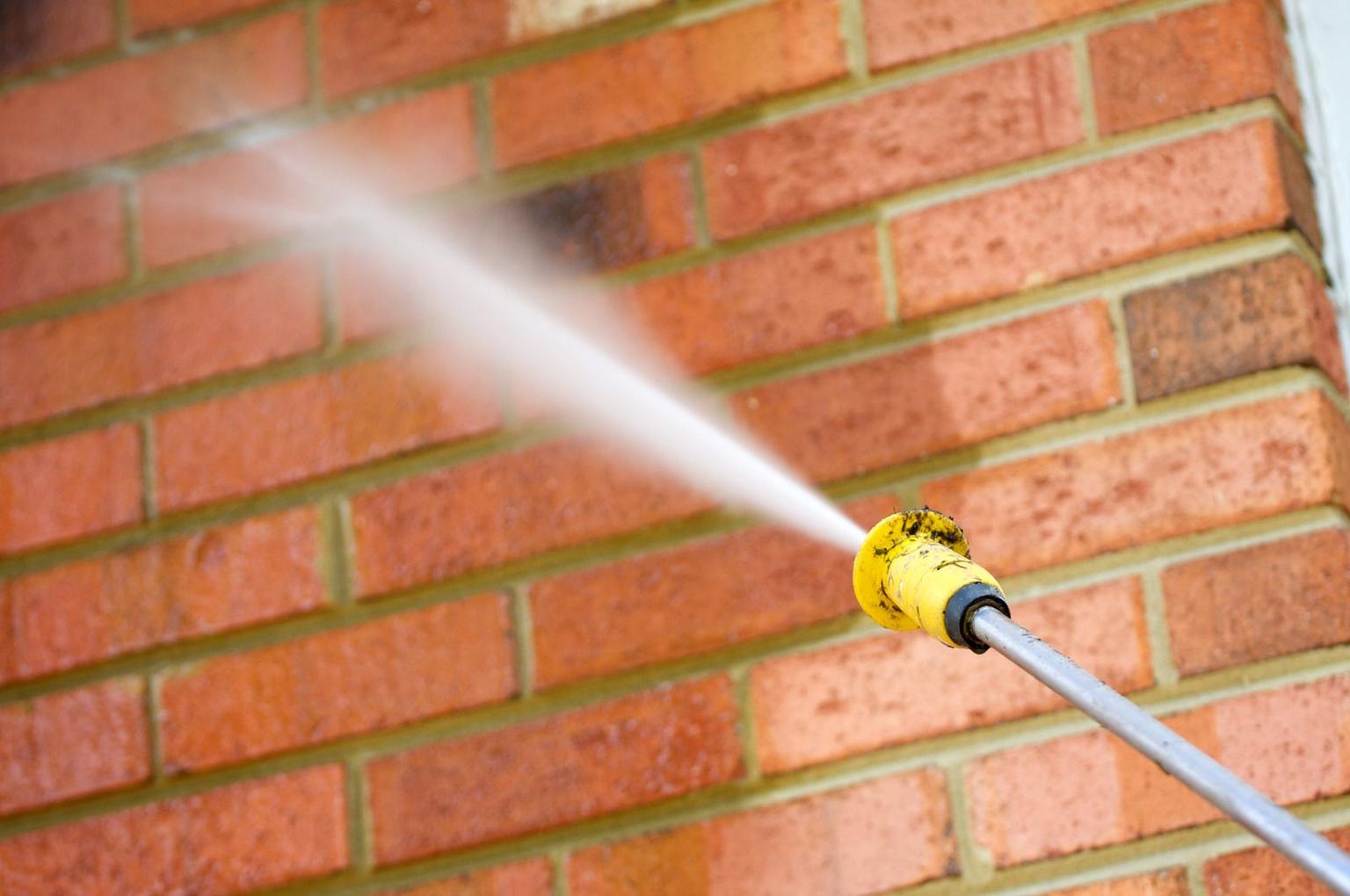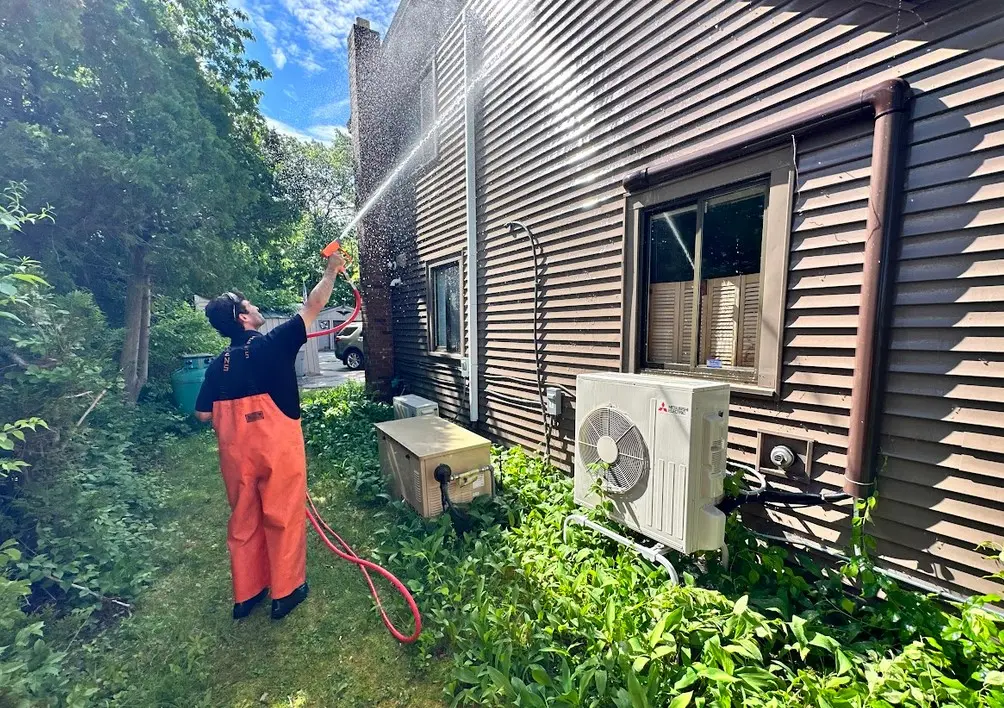
April through May is the best time to pressure wash your house in Massachusetts. This window delivers consistent temperatures above 45°F and removes six months of winter damage before summer arrives.
Timing matters more here than most places. Massachusetts freeze-thaw cycles, road salt exposure, and compressed service season mean missing the spring window leaves you rushing summer cleaning or waiting until fall. Schedule too early and you risk freeze damage. Wait too long and you're competing for limited May appointments.
This guide breaks down the optimal pressure washing season for Massachusetts homes, explains why each season works (or doesn't), and helps you decide when to book based on your property's needs. You'll learn how far in advance to schedule and what signs demand immediate attention.
ViewCrew has earned over 1,000 five-star reviews across Essex County, MetroWest, and Rockingham County since 2019. We've seen how Massachusetts weather affects every cleaning decision. Let's help you time it right.
Spring: The Prime Season for Massachusetts Pressure Washing
Spring dominates Massachusetts pressure washing schedules for good reason. After enduring months of freeze-thaw cycles, salt exposure, and trapped moisture, your home's exterior faces more accumulated damage in April than any other time of year. This window offers optimal conditions for safely removing winter's toll before permanent damage sets in.
Why Spring Wins in Massachusetts
Temperature stability makes spring the safest season. Once daytime highs consistently reach 50°F and overnight lows stay above 40°F—typically late April in Essex County and MetroWest—you can clean without risking freeze damage to wet surfaces.
Massachusetts winters create unique damage patterns. Freeze-thaw cycles force water into concrete pores where it expands by roughly 9% when frozen, creating internal pressure that leads to cracking and surface deterioration. Road salt compounds this damage by accelerating moisture penetration into driveways and foundation walls. By spring, six months of this cycle leaves visible salt crust, mold streaks, and grime that won't disappear on its own.
Demand matters too. May represents peak season across New England, with 2-3 week lead times common among established companies. Schedule in late April and you'll face less competition while enjoying ideal conditions.
What Spring Pressure Washing Addresses
Spring cleaning targets winter-specific damage that includes road salt deposits on driveways and lower siding causing white crystalline staining, mold and mildew growth fed by trapped moisture on north-facing walls, organic debris like dead leaves creating dark stains, early May pollen coating everything in yellow-green film, and oxidation on vinyl siding worsened by winter moisture.
One North Andover homeowner contacted ViewCrew last April after their gray composite deck turned nearly black over winter. What appeared permanent was actually accumulated mold and organic matter. Professional soft washing restored the original color in under two hours—something requiring deck replacement if left another season.
Timing Your Spring Pressure Wash
Late April offers the earliest safe window once temperatures stabilize above 45°F for 24-hour periods. May delivers peak conditions but highest demand—book 2-3 weeks ahead for preferred dates.
Monitor overnight temperatures closely before May 1st. Even if daytime highs reach 60°F, surfaces stay damp for hours after washing. If overnight lows dip below 40°F, residual moisture can freeze and damage freshly cleaned concrete or create slip hazards.
Summer: Maintenance and Event-Driven Cleaning
Summer offers Massachusetts homeowners flexible pressure washing windows with fast-drying conditions and predictable weather. While not as critical as spring cleaning, summer washing serves important purposes for mid-season maintenance, event preparation, and catching up on missed spring appointments.
Summer Pressure Washing Benefits
Fast drying times make summer appealing for quick-turnaround projects. Low-humidity days in June and early July allow surfaces to dry within hours, reducing slip risks and letting you use outdoor spaces the same day.
Mid-season algae and mold growth often appear by July, especially on north-facing siding and shaded areas in humid MetroWest and coastal locations. Summer heat accelerates organic growth, creating green or black streaks that weren't visible in May. Addressing this prevents deeper staining through fall.
Pre-event cleaning drives much summer demand. Homeowners preparing for graduation parties, Fourth of July barbecues, or late-summer weddings want fresh patios, clean siding, and pristine driveways when guests arrive. ViewCrew typically sees booking spikes 7-10 days before major holidays.
Summer Considerations in Massachusetts
Avoid extreme heat days above 90°F. When surfaces climb this high, cleaning solutions evaporate before breaking down grime effectively, leaving streaks or requiring multiple applications. Concrete driveways can reach 120°F in direct sun, causing detergents to dry instantly.
Morning or evening scheduling delivers better results. Book between 7-10 AM or 4-7 PM when surfaces stay cooler and solutions have proper dwell time. This timing also protects equipment—pressure washer motors risk overheating during midday sessions in extreme heat.
Demand spikes near July 4th and Labor Day mean 1-2 week lead times during peak holiday weekends.
When Summer Makes Sense
Choose summer if you missed spring and face visible dirt, if you're hosting outdoor events requiring fresh curb appeal, or if mid-season algae appeared despite spring cleaning. Summer also works for homeowners who prefer avoiding peak spring demand.
One technical consideration: professionals adjust pressure settings on hot days to prevent damage to heat-softened vinyl siding or composite materials. Always ensure your contractor adjusts pressure based on surface temperature, not just calendar date.
Fall: Pre-Winter Protection Strategy
Fall pressure washing serves a different purpose than spring cleaning—it's about protection rather than recovery. By removing organic debris and trapped moisture before Massachusetts' first freeze, you prevent winter damage instead of repairing it. This proactive approach also delivers pre-holiday curb appeal without competing for spring's limited slots.
Fall as Pre-Winter Protection
Decomposing leaves create more damage than most homeowners realize. As foliage accumulates on driveways, patios, and walkways, leaves release tannins that penetrate porous surfaces like concrete and natural stone, causing stubborn brown staining that becomes permanent if left through winter's freeze-thaw cycles. Pressure washing in late September or October removes debris before staining sets in.
Moisture traps pose the bigger threat. Leaves, pine needles, and tree sap accumulating against foundation walls or under deck boards hold moisture against surfaces for months. Once winter arrives, trapped water freezes and expands, forcing its way into cracks and creating new damage. Clearing these organic moisture traps eliminates the water source before temperatures drop.
Pre-holiday cleaning offers practical benefits for Essex County and MetroWest families hosting Thanksgiving or December gatherings. A clean exterior in November stays relatively clean through winter since minimal new growth occurs.
ViewCrew typically schedules fall appointments with 1-2 week lead times, offering more flexibility than spring's 2-3 week waits. Many contractors also offer seasonal pricing advantages during lower-demand fall months.
Optimal Fall Timing
Late September through October delivers ideal conditions after most leaves fall but before frost arrives. In the Boston area, there's a 50% chance of the first 32°F frost by November 7 , making late October your deadline for safe pressure washing. Inland areas like Worcester may see frost 1-2 weeks earlier.
Coordinate fall pressure washing with gutter cleaning for maximum efficiency. Both address organic debris accumulation, and scheduling together ensures water flows properly away from your foundation before winter.
One MetroWest homeowner scheduled fall cleaning in mid-October after noticing dark stains forming under fallen oak leaves on their stamped concrete patio. Pressure washing removed visible staining and eliminated the moisture-heavy leaf layer that would have caused freeze damage all winter. By spring, their patio showed zero frost heaving while untreated neighboring driveways developed surface cracks.
Winter: Why Massachusetts Winters Are Pressure Washing Hostile
Massachusetts winters make residential pressure washing impossible. Between November and March, temperatures regularly drop below 40°F, creating dangerous conditions for both surfaces and equipment.
Why Winter Is Off-Limits
Water freezes at 32°F, but pressure washing risks begin earlier. Residual moisture freezes within hours, creating slip hazards and ice damage to cleaned surfaces. Worse, water trapped in pumps, hoses, and nozzles expands when frozen, cracking equipment components and requiring expensive repairs.
Most Essex County and MetroWest companies pause residential services from mid-November through March. The physics don't work in your favor.
Emergency exceptions exist for oil spills or graffiti but require specialized heated equipment and warming periods above 40°F for 24+ hours—rare in Massachusetts winters.
What to Do Instead
Winter is your booking season, not cleaning season. Contact ViewCrew in January or February to reserve early spring slots before May's rush.
Document problem areas now. Photograph staining, mold growth, or damage you notice. This helps contractors quote accurately when spring arrives and ensures nothing gets overlooked after snowmelt.
Attempting pressure washing in freezing conditions risks creating more damage than you're trying to fix. Winter patience pays off.
Your Massachusetts Pressure Washing Calendar: Month-by-Month Guide
Here's your complete seasonal timeline for Massachusetts pressure washing, organized by month to help you plan ahead and avoid booking conflicts during peak periods.
January–March — Too cold for pressure washing with temperatures regularly below 40°F. Use this window to book spring appointments before May's rush and document problem areas for accurate spring quotes.
April — Late April offers your first safe window once daytime highs reach 50°F and overnight lows stay above 40°F. Coastal areas warm first; inland follows 1-2 weeks later.
May–June — Peak season with optimal temperatures and effectiveness. Expect 2-3 week lead times in May, though June offers more flexibility with fast-drying conditions.
July–August — Ideal for mid-season cleaning and event preparation. Schedule morning (7-10 AM) or evening (4-7 PM) appointments to avoid heat above 90°F. Book 10+ days ahead for July 4th and Labor Day weekends.
September–October — Strategic timing for pre-winter surface protection. Clean after leaf drop but before frost, with late October as your deadline. Coordinate with gutter cleaning for maximum efficiency. Better availability than spring.
November–December — Temperatures drop below safe thresholds. Use this time to reserve early spring 2027 slots for best scheduling options.
Which Season Is Right for Your Home?
Your property's specific conditions determine whether spring, fall, or twice-yearly cleaning makes the most sense.
Choose Spring If:
- You notice visible winter salt damage on driveways or foundations
- You're selling your home and need maximum curb appeal
- You're planning outdoor entertaining starting Memorial Day
Choose Summer If:
- You missed spring and face visible dirt buildup
- You're hosting major outdoor events like weddings or graduation parties
- Mid-season mold appeared on siding despite spring cleaning
Choose Fall If:
- Your property has heavy tree coverage dropping leaves onto surfaces
- You want winter surface protection to minimize spring damage
- You prefer avoiding peak spring demand
Choose Both Spring + Fall If:
- You own coastal property (like Rockingham County) where salt air and humidity accelerate mold growth year-round
- You battle chronic mold issues that reappear within months
- Your home sits adjacent to busy roads where constant salt exposure creates ongoing buildup
The right timing depends on your property's exposure, not arbitrary schedules.
Conclusion: Plan Ahead for Optimal Results
Massachusetts' unique climate makes pressure washing timing critical. Late April through May delivers optimal conditions for removing winter damage, while fall cleaning (late September to October) offers strategic protection before the next freeze. Summer serves mid-season needs, but winter remains off-limits below 40°F.
The key to success? Book early. Spring's 2-3 week lead times mean planning now secures your preferred May slots.
ViewCrew has served over 1,000 satisfied customers across Essex County, MetroWest, and Rockingham County NH with our 100% Satisfaction Guarantee. Whether you need spring recovery, fall protection, or guidance on the right schedule for your property, our local expertise ensures perfect timing.
Ready to schedule? Contact ViewCrew today to reserve your appointment and protect your home's exterior with Massachusetts' most trusted pressure washing service.
Frequently Asked Questions